The Art of Oratory
Introduction to Public Speaking
More Than Just Talking
Public speaking is the act of delivering a message to a live audience. It’s a structured, intentional form of communication. Unlike a casual conversation, a speech is designed to inform, persuade, or entertain a specific group of people.
oratory
noun
The art of public speaking, especially in a formal and eloquent manner.
Mastering this skill isn't just for politicians or CEOs. It's a tool that helps you share ideas clearly, advocate for causes you believe in, and connect with others. When you speak well, people listen. Your ideas gain influence, and your confidence grows. It’s one of the most powerful tools for personal and professional growth.
Want a leg up professionally? Need a career boost? Become a better public speaker.
From the Boardroom to the Big Day
You'll find opportunities to use public speaking everywhere. In a professional setting, you might present quarterly results to your team, pitch an idea to a client, or lead a training session. Strong speaking skills can set you apart and open doors for leadership roles.
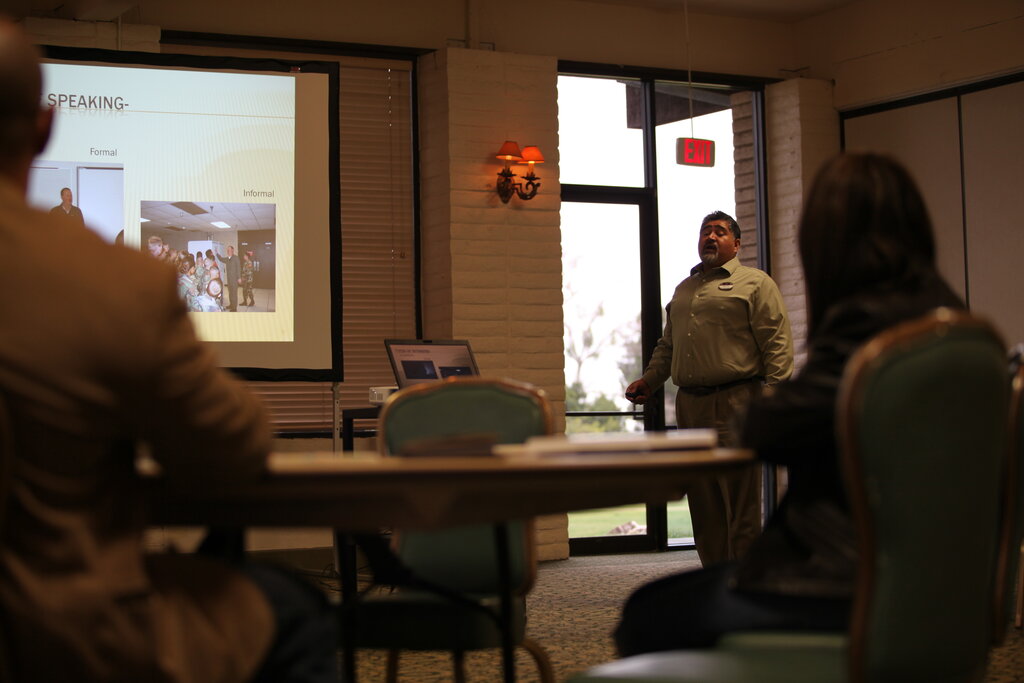
In academic life, students present research, participate in debates, and defend their work. The ability to articulate complex information clearly is critical for success.
Even in your personal life, public speaking plays a role. Think about giving a toast at a friend's wedding, speaking at a town hall meeting, or eulogizing a loved one. These moments require you to organize your thoughts and express them with clarity and heart.
The Core Components
Effective public speaking rests on a few fundamental pillars. While we won't dive deep into techniques just yet, it's helpful to know the basic ingredients of a strong presentation.
Think of it like building something. You need a solid plan, the right materials, and a good delivery.
The key areas to focus on are:
- Content: This is the what—your message. It needs to be well-structured, logical, and tailored to your audience. A clear message is the foundation of any good speech.
- Voice: This is part of the how. Your tone, volume, and pace can dramatically change how your message is received. A monotonous voice can make an exciting topic feel dull.
- Body Language: This is also part of the how. Your posture, gestures, and facial expressions communicate just as much as your words. Confident body language builds trust with your audience.
- Audience Engagement: This is the connection. It's about understanding who you're talking to and making them feel involved. Eye contact and a conversational tone can make a big difference.
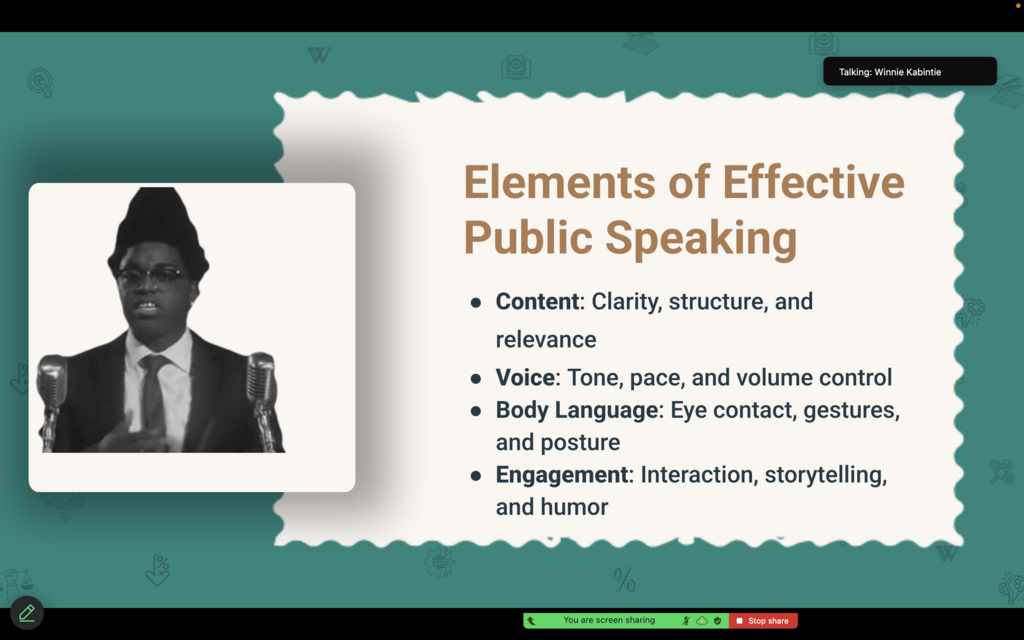
By understanding these core elements, you can begin to see public speaking not as a terrifying performance, but as a skill that can be learned and improved with practice.