The Art of Mimicry
Introduction to Mimicry
The Art of Deception
In the natural world, survival is often a game of appearances. An animal might need to hide from predators, lure in prey, or warn others to stay away. One of the most fascinating strategies for achieving this is mimicry, where one organism evolves to resemble another organism or its environment.
mimicry
noun
An evolutionary resemblance of one organism to another, or to an object in its environment, which provides a benefit such as protection from predation.
This evolutionary costume party involves three main players. The model is the organism or object being copied. The mimic is the one doing the copying. And the dupe (or signal receiver) is the animal, like a predator or potential prey, that is fooled by the resemblance. Let's explore the main ways this strategy plays out.
Four Kinds of Copycats
Mimicry isn't a one-size-fits-all strategy. It comes in several distinct forms, each with its own logic and evolutionary payoff.
Batesian Mimicry: The Bluff
This is the classic case of a harmless species pretending to be dangerous. The model has a defense, like a sting or poison, and advertises it with a warning signal, such as bright colors. The mimic copies this signal but lacks the actual defense. Predators that learn to avoid the harmful model will also avoid the harmless mimic.
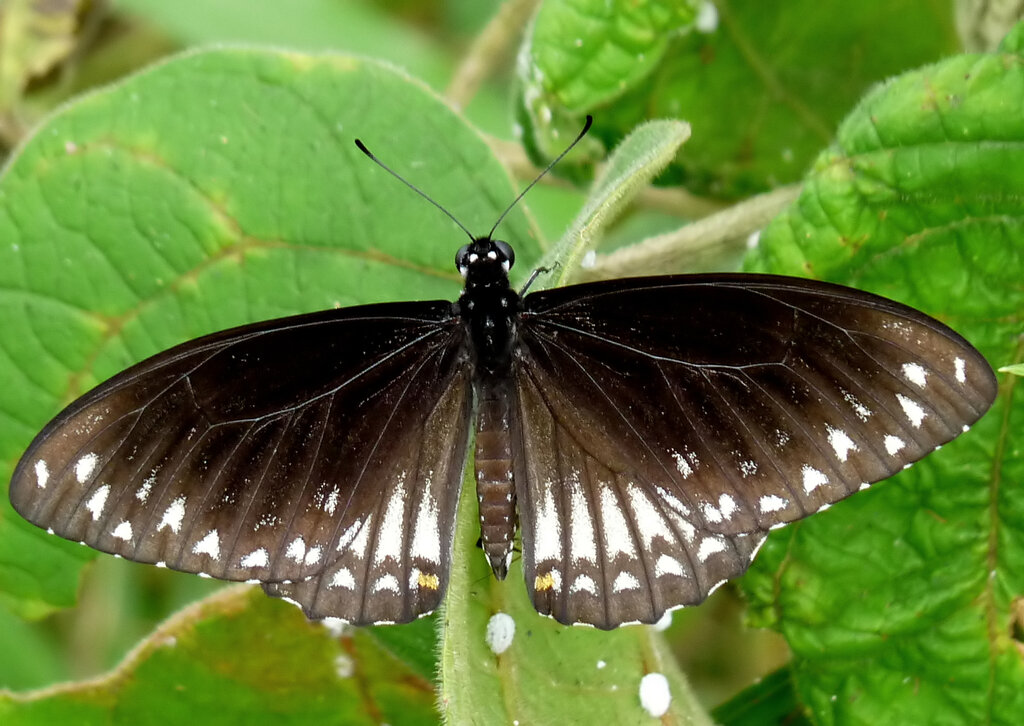
A great example is the harmless hoverfly that looks just like a stinging wasp. A bird that has had a painful encounter with a wasp will likely steer clear of the hoverfly, too. For this bluff to work, the mimics can't become too common. If the predator encounters too many harmless mimics, it might not learn to avoid the warning signal at all.
Müllerian Mimicry: Strength in Numbers
What if two or more well-defended species evolve to look like each other? That's Müllerian mimicry. All participants are dangerous, and they all share the same warning signs. Think of the yellow and black stripes found on many different species of bees, wasps, and hornets.
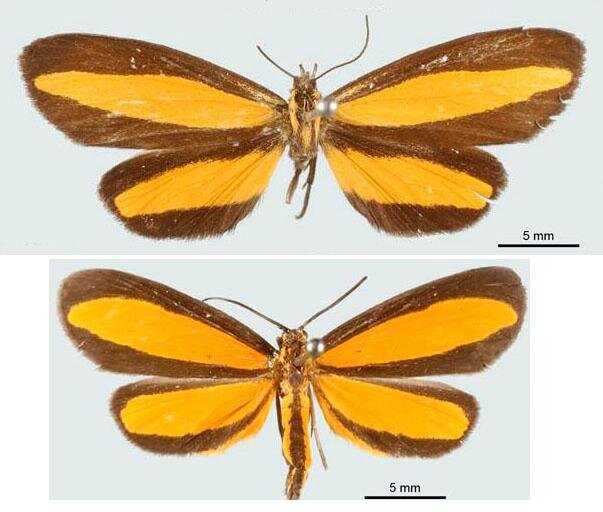
This strategy is mutually beneficial. It spreads the cost of educating predators. A young bird only needs one bad experience with any member of the mimicry ring to learn to avoid all of them. This shared advertising reinforces the signal and increases the survival chances for every species involved.
Aggressive Mimicry: A Wolf in Sheep's Clothing
Here, the roles are reversed. Instead of avoiding predators, the mimic is a predator (or a parasite) that imitates something harmless or even attractive to its prey. This is deception for the purpose of attack.
For instance, some female fireflies mimic the flashing patterns of other species to lure in unsuspecting males, only to eat them. Another classic example is the anglerfish, which dangles a fleshy, glowing lure that resembles a small worm to attract smaller fish in the deep sea darkness.
Automimicry: Self-Imitation
Automimicry, or mimicry within a single species, takes two main forms. In one form, a less vulnerable part of an animal's body mimics a more vulnerable one. For example, some butterflies and fish have "eyespots" on their wings or tails. These spots can draw a predator's attack away from the head, allowing the animal to escape with only minor damage.
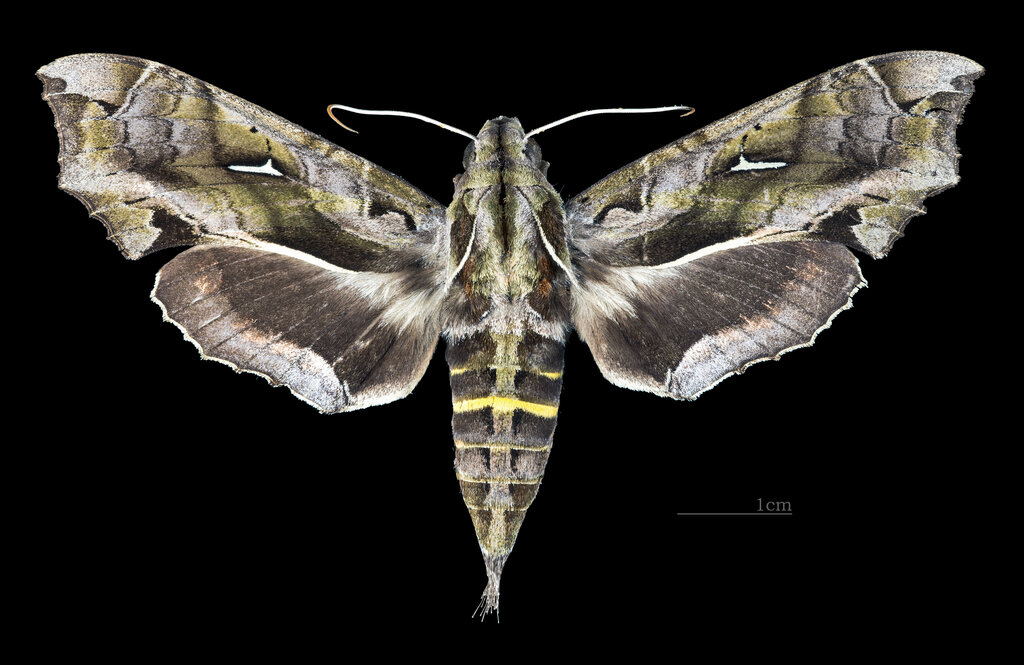
In the second form, some members of a species are better defended than others, but they all look alike. Monarch butterflies are a good example. Their toxicity depends on the milkweed plants they ate as caterpillars. Some are very poisonous, while others are not. A bird that eats a toxic monarch will avoid all monarchs in the future, protecting both the poisonous and non-poisonous members of the species.
The Significance of Mimicry
Mimicry is more than just a clever trick; it's a powerful force in evolution. It demonstrates how interconnected species are within an ecosystem. The survival of the mimic is directly tied to the presence and characteristics of the model and the learning ability of the dupe. This complex web of relationships drives a constant co-evolutionary dance, where each player must continually adapt to the strategies of the others.
| Type of Mimicry | Mimic's Nature | Model's Nature | Outcome for Dupe |
|---|---|---|---|
| Batesian | Harmless | Harmful | Avoids both |
| Müllerian | Harmful | Harmful | Avoids all |
| Aggressive | Predator | Harmless/Attractive | Attacked/Eaten |
| Automimicry | Variable | Self | Misdirected attack or avoidance |
These strategies show just how creative natural selection can be, producing an incredible diversity of forms and behaviors all aimed at one goal: survival.
Ready to test your knowledge of nature's masters of disguise?