The Art of Menu Design
Introduction to Menu Design
More Than a List of Food
A menu is the first real conversation a restaurant has with its guests. Long before the first plate arrives, the menu sets the stage. It’s more than just a list of what’s available; it’s an introduction to the restaurant's personality and a promise of the experience to come.
A thoughtfully designed menu can make customers feel welcomed and excited. A confusing or poorly designed one can create frustration. Think of it as the cover of a book. It can draw you in and give you a sense of the story inside, or it can be so unappealing that you don't even bother to open it.
Your Menu Is a Salesperson
Your menu is your most valuable marketing tool. It’s the one piece of advertising that nearly every single customer will read. It doesn’t just inform; it persuades. The descriptions of dishes can make mouths water, and the overall design can communicate quality and care.
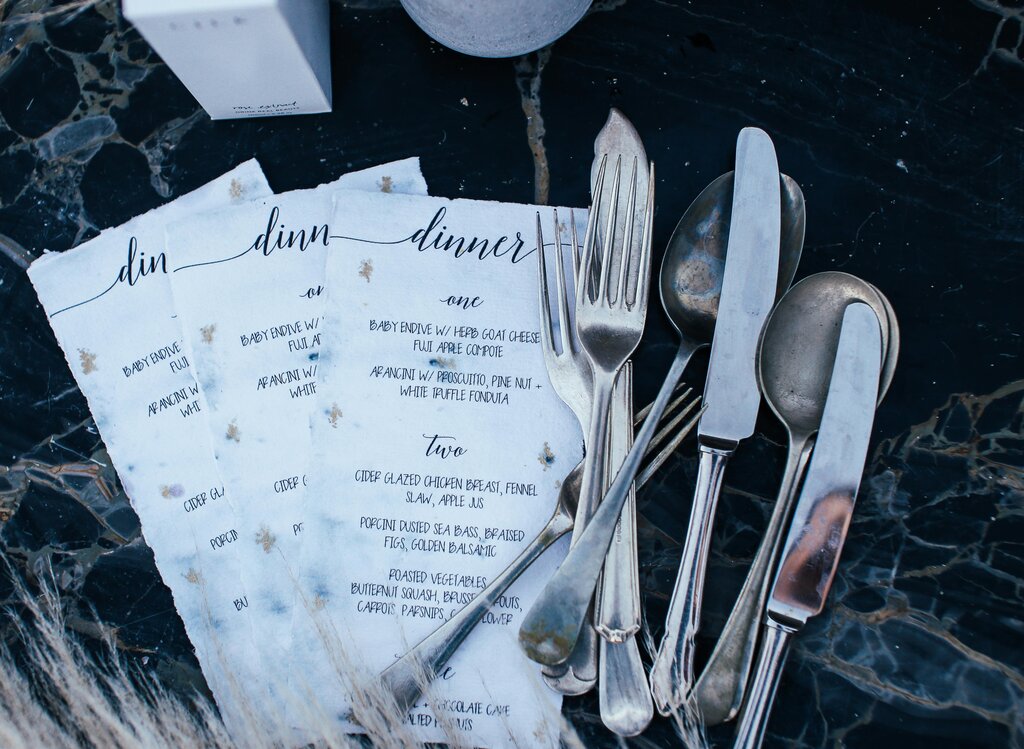
This is where your brand identity comes into play. The menu should be a direct reflection of your restaurant's concept. A rustic farm-to-table eatery might use menus made of recycled paper with a simple, earthy design. A high-end, modern bistro could opt for a minimalist layout on heavy cardstock. The language, the materials, and the overall feel should all work together to tell your brand's story.
Every element of your menu, from the paper it's printed on to the words you use, should align with the restaurant's unique identity.
Guiding the Guest's Choice
People don't read menus like a novel, from top-to-bottom, left-to-right. Their eyes tend to jump around, scanning for something that catches their interest. Menu designers use this knowledge to their advantage by strategically placing certain items in high-visibility spots.
Think about the layout as prime real estate. Dishes placed in these key areas are more likely to be seen and, therefore, more likely to be ordered. This isn't about tricking the customer; it's about gently guiding them toward items you’re most proud of or your most profitable dishes. For example, many studies show that a customer's eyes are naturally drawn to the top-right corner of a menu first. Placing a signature dish there can significantly increase its sales.
An optimised menu can significantly impact your profitability.
By understanding these basic principles, a restaurant can transform its menu from a simple price list into a powerful tool that enhances the customer experience and boosts the bottom line.