The Art of Marinades
Introduction to Marinades
The Magic of Marinades
A marinade is a seasoned liquid that you soak food in before cooking. Its main job is to infuse the food with flavor and, in some cases, to make it more tender. Think of it as a flavor bath. While meat is the most common candidate, vegetables, tofu, and even fruits can benefit from a good soak.
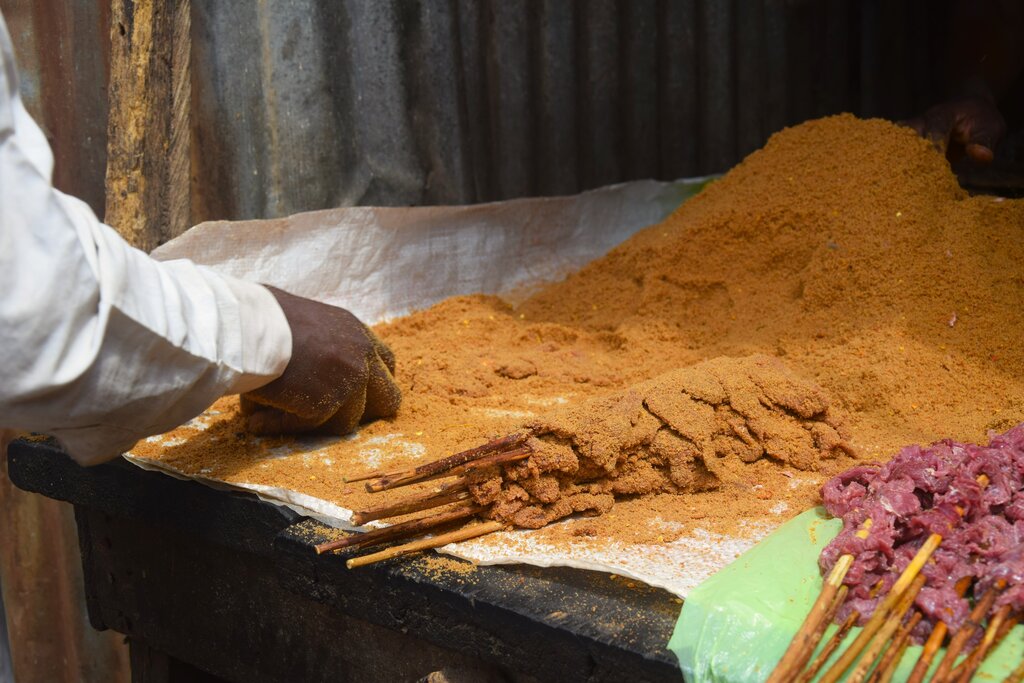
The process works from the outside in. The ingredients in the liquid penetrate the surface of the food, adding layers of taste that simple seasoning can't achieve. For tougher cuts of meat, certain marinade ingredients can also help break down connective tissues, resulting in a more tender bite.
Building Blocks of a Marinade
Most marinades are built from three core components. Each one plays a distinct role in transforming your food.
-
Acid or Enzyme: This is the tenderizing agent. Ingredients like citrus juice, vinegar, wine, yogurt, or buttermilk contain acids that begin to break down the surface proteins of meat. Certain fruits, like pineapple and papaya, contain enzymes that do the same job even more effectively. This process, called denaturation, helps to soften the texture.
-
Oil: Oil serves several purposes. It helps transfer fat-soluble flavors from the spices and herbs onto the food. It also adds moisture, preventing the food from drying out during cooking, especially under high heat like grilling.
-
Herbs, Spices, and Aromatics: This is where the primary flavor comes from. Garlic, onions, herbs like rosemary and thyme, and spices like paprika and cumin all contribute their unique character to the marinade and, ultimately, to the final dish.
How Is It Different?
Marinating is often confused with other techniques like brining and pickling. While they all involve soaking food in a liquid, their goals and ingredients are different.
| Technique | Primary Goal | Key Ingredients |
|---|---|---|
| Marinating | Add flavor, tenderize | Acid/Enzyme, oil, spices |
| Brining | Add moisture, season | Salt, water, sugar |
| Pickling | Preserve, add sour flavor | Acid (vinegar), salt, spices |
A brine is essentially a saltwater solution. Its primary purpose is to make meat juicier. Through osmosis, the salt helps the meat absorb and retain water, ensuring it stays moist during cooking. Brining seasons the meat deeply but doesn't typically add complex flavors like a marinade does.
A pickle uses a highly acidic liquid, usually vinegar, to preserve food for long-term storage. While it adds a distinct sour and salty flavor, its main job is preservation, which isn't a goal of marinating.
In short: marinating is for flavor, brining is for moisture, and pickling is for preservation.
Now that you understand the basic principles, you can see how marinades work to enhance all kinds of ingredients. Let's test your knowledge.
What is the primary purpose of a marinade?
Which component of a marinade is responsible for tenderizing tougher cuts of meat by breaking down surface proteins?