The Art of Jiu-Jitsu
Origins and Evolution
From Samurai to the Mat
The story of Jiu-Jitsu begins centuries ago in feudal Japan. Samurai warriors, the elite military class, developed a system of unarmed combat for situations where their weapons were lost or unusable. This art was called jujutsu, which translates to "the gentle art."
It wasn't gentle in the modern sense. The term referred to the core principle of using an opponent's momentum and force against them, rather than meeting force with force. Jujutsu was a diverse and practical art, incorporating joint locks, throws, and chokes designed to neutralize an armed or armored opponent on the battlefield.
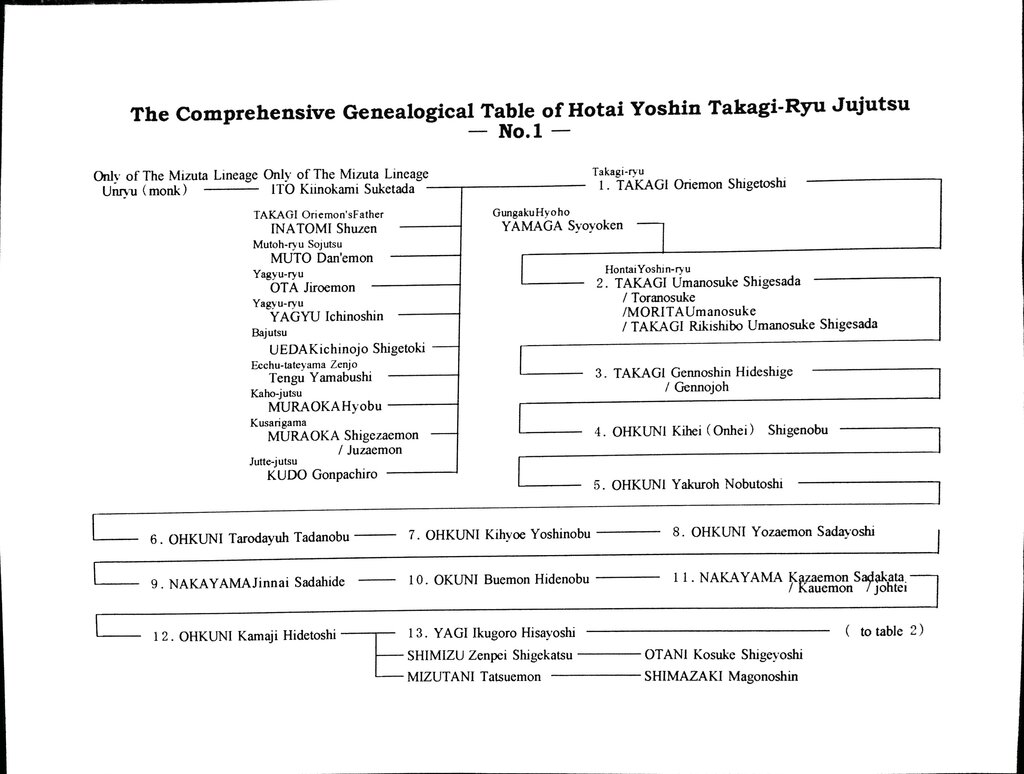
These techniques were passed down through various schools, or ryu, each with its own unique style and emphasis. For hundreds of years, jujutsu remained a closely guarded secret of the samurai class. As Japan modernized in the late 19th century, the samurai class was dissolved, but their martial arts lived on, evolving and spreading beyond Japan's borders.
A New Home in Brazil
In the early 20th century, a Japanese master named Mitsuyo Maeda traveled the world, demonstrating and teaching his martial art, a blend of jujutsu and Kodokan judo. In 1914, Maeda arrived in Brazil. There, he befriended a businessman named Gastão Gracie.
As a thank you for Gracie's help, Maeda agreed to teach his eldest son, Carlos, the principles of his art. Carlos was captivated. He not only learned the techniques but also opened his own academy and taught his younger brothers, including the smallest and frailest of them, Hélio.
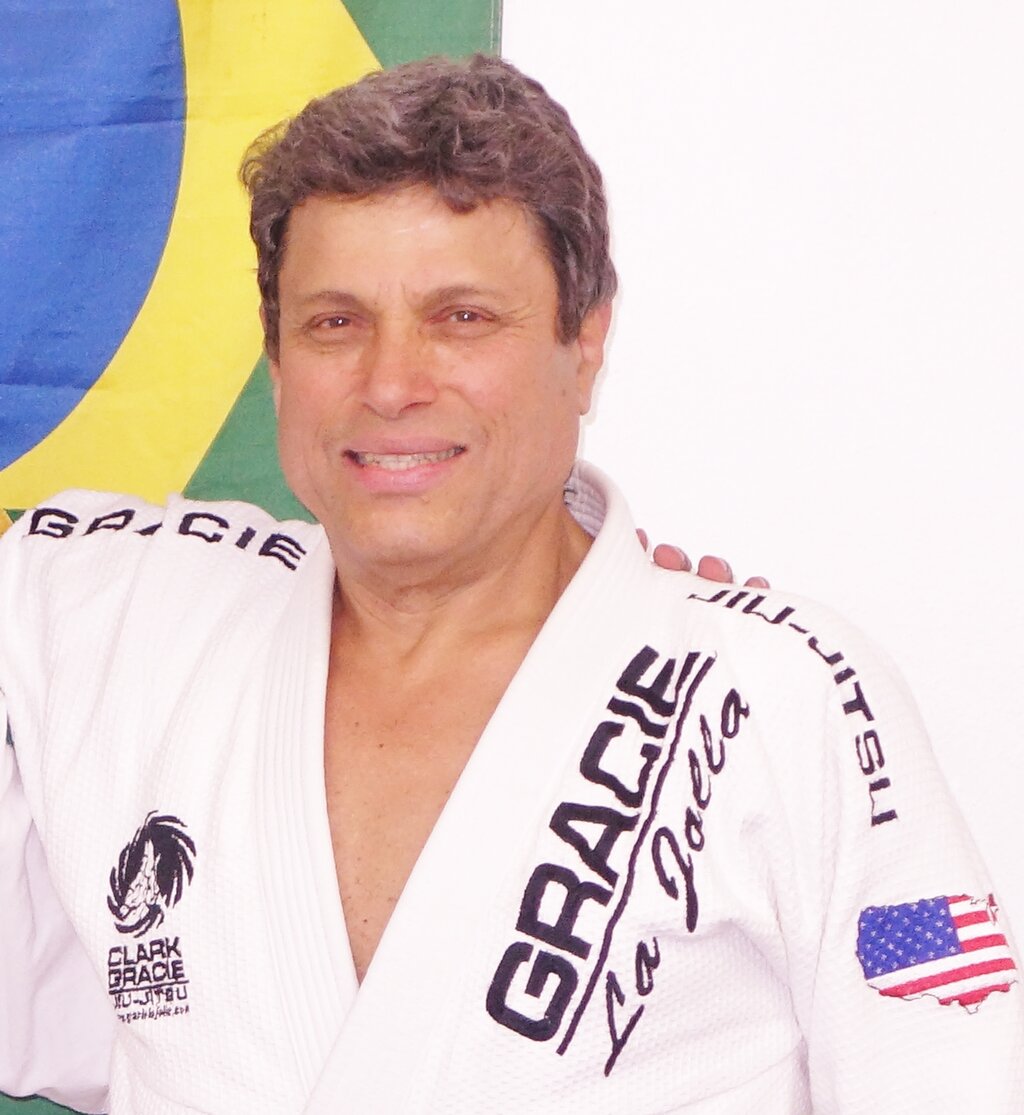
Hélio Gracie was often too small to perform many of the traditional techniques that relied on strength or powerful throws. This physical limitation became the catalyst for a revolution. He began to systematically refine the art, adapting the moves to rely almost entirely on leverage, timing, and natural body movements. Hélio's modifications allowed a smaller, weaker person to defend against and defeat a much larger opponent, especially on the ground. This new system became known as Gracie Jiu-Jitsu, and later, Brazilian Jiu-Jitsu (BJJ).
Helio Gracie was the pioneer who applied the theory of leverage to the techniques of Jiu Jitsu and in the process began a revolution that allows men, women and children of all ages, shapes, size and athletic ability learn techniques to defend themselves with maximum efficiency and minimal effort.
A Tale of Two Arts
While BJJ grew from Japanese jujutsu, its focus shifted dramatically. The innovations of the Gracie family created a distinct martial art with a different philosophy and technical emphasis.
| Feature | Japanese Jujutsu | Brazilian Jiu-Jitsu |
|---|---|---|
| Primary Focus | Standing techniques, throws, joint locks | Ground fighting, positional control, submissions |
| Core Philosophy | Self-defense against armed/unarmed attacks | Using leverage to defeat a larger opponent |
| Common Techniques | Wrist locks, throws, strikes | Guard positions, chokes, arm locks |
The key difference is the arena of combat. Traditional jujutsu often focuses on ending a confrontation quickly from a standing position. BJJ, on the other hand, assumes that a real fight will likely end up on the ground. It is a specialist art, designed for dominating an opponent in that environment.
This new approach had a massive impact on the global martial arts community, especially with the advent of mixed martial arts competitions like the Ultimate Fighting Championship (UFC). Royce Gracie, one of Hélio's sons, demonstrated the effectiveness of BJJ by defeating larger opponents from various martial arts backgrounds, proving the power of ground fighting and submissions to a worldwide audience.
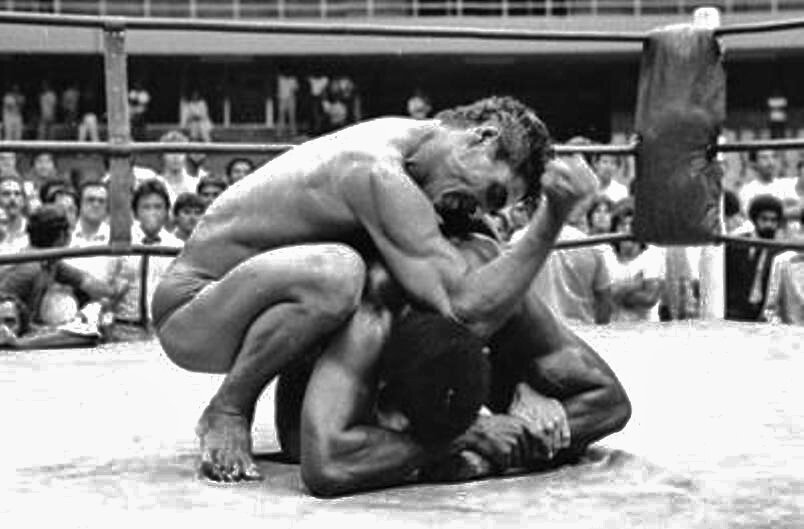
This historical journey from the battlefields of Japan to the sports arenas of Brazil shaped the art we know today. Let's review what you've learned.
What does the term "jujutsu," the Japanese predecessor to Brazilian Jiu-Jitsu, translate to?
Who was the Japanese master responsible for bringing a blend of jujutsu and judo to Brazil, where he would eventually teach the Gracie family?
Understanding its roots helps appreciate the strategy and philosophy behind every technique in Jiu-Jitsu.