The Art of Invitation
Introduction to Invitations
More Than Just a Request
At its core, an invitation is a simple request for someone's presence. Whether it's for a wedding, a business meeting, or a casual get-together, its main job is to communicate the essential details: who is hosting, what the event is, when and where it will take place, and why it's happening. Think of it as the key that unlocks an event for your guests.
But an invitation does more than just share information. It sets the tone. A formal, engraved card suggests a black-tie affair, while a colorful e-vite hints at a more relaxed party. It’s the first impression your event makes, giving guests a clue about what to expect.
A Quick Trip Through Time
Invitations weren't always printed on fancy paper. For centuries, they were delivered verbally. A town crier might announce a public festival, or a messenger on horseback would carry a summons from a king. This method was effective but limited, mostly reserved for official business or the wealthy.
The invention of the printing press in the 15th century changed things, but slowly. Written invitations became more common, but they were still a luxury. It wasn't until the 18th and 19th centuries that the formal invitation as we know it took shape, with engraved stationery and strict rules of etiquette delivered by postmen.
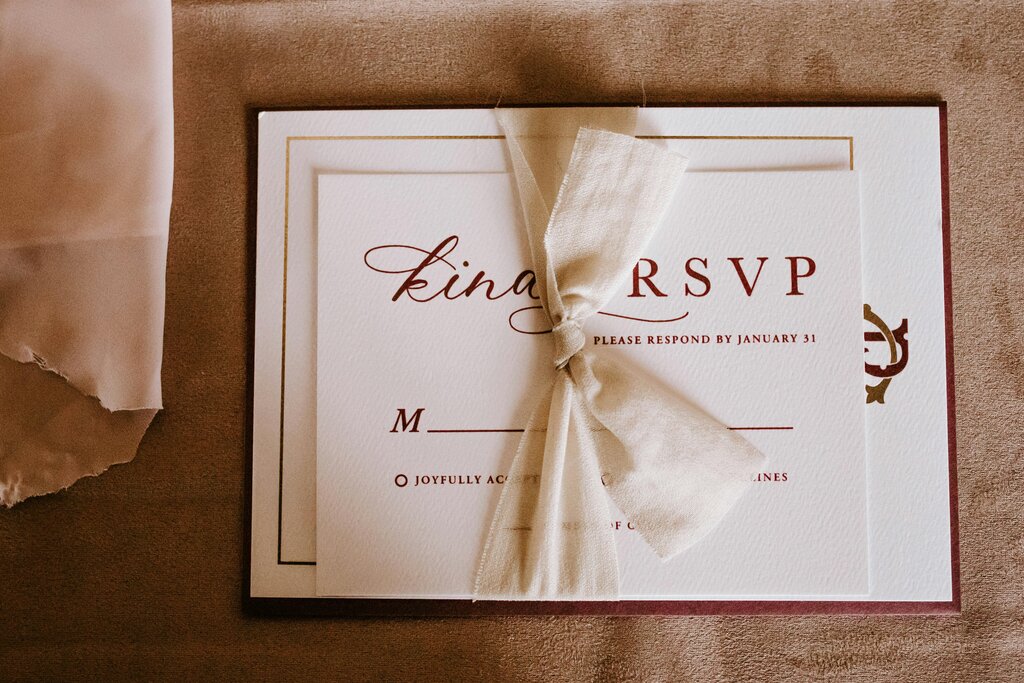
Today, we live in a world of digital communication. Emails, text messages, and social media events have become common ways to invite people. These modern methods are fast and efficient, but they exist alongside traditional paper invitations, which are still chosen for life's most significant events.
Invitations Around the World
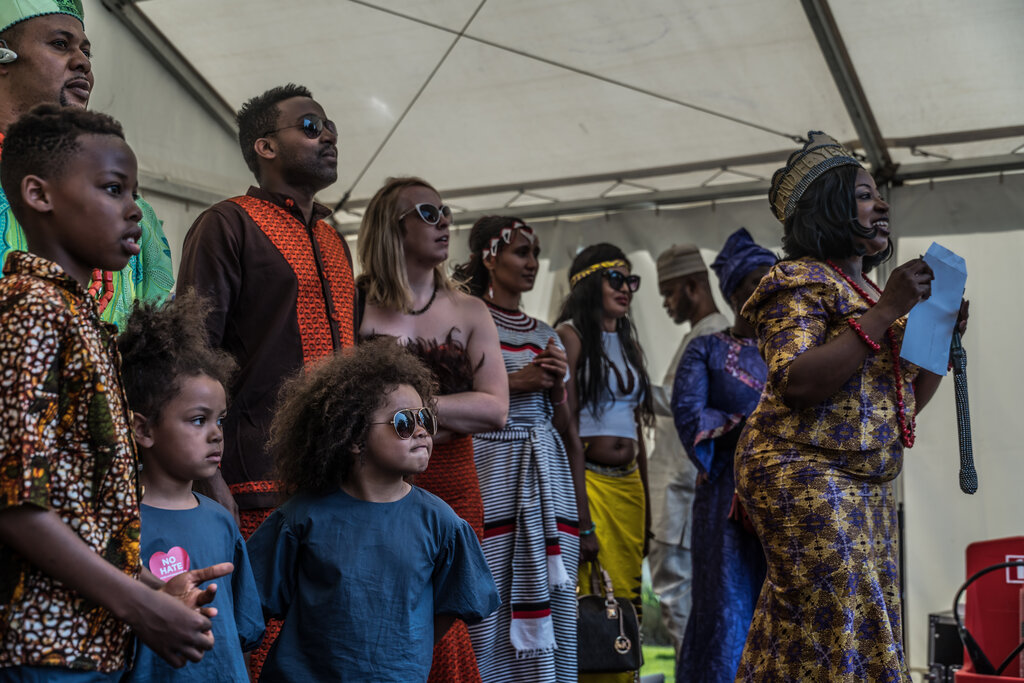
How you invite someone can carry deep cultural meaning. In some cultures, a verbal invitation is considered just as binding and sincere as a written one. In others, receiving a physical, high-quality invitation is a sign of respect and an indicator of the event's importance.
Wedding invitations, in particular, are often steeped in tradition. The colors, symbols, and wording can reflect family heritage and cultural values. For example, red is a common color for wedding invitations in Chinese culture, symbolizing luck and happiness, while in Western cultures, white or cream is more traditional.
A Key to Event Planning
Invitations are a critical tool for any event organizer. They mark the official start of the guest management process. The most important part of this process is the RSVP, which is an abbreviation of a French phrase.
Please respond
Getting a headcount is essential. It determines how much food to order, how many chairs to set up, and the overall budget. Without the information gathered from RSVPs, planning an event of any size would be a chaotic guessing game.

The RSVP isn't just a suggestion; it's the foundation of a well-organized event. It transforms an unknown number of potential guests into a concrete list of attendees.
Now that you understand the purpose and history of invitations, let's test your knowledge.
What is the primary function of an invitation?
Before the invention of the printing press, how were most formal invitations delivered?
From a simple spoken request to a formal engraved card, invitations are a fundamental part of how we gather and celebrate.