The Art of Illusion
Introduction to Magic
The Oldest Deception
Magic is a timeless art form. The core of it—creating an illusion of the impossible—has fascinated people for thousands of years. The earliest recorded magic trick is the cups and balls, which was performed by magicians in ancient Egypt and Rome. It's a simple trick where a ball seems to teleport between cups, but its power to delight and confuse has lasted for centuries.
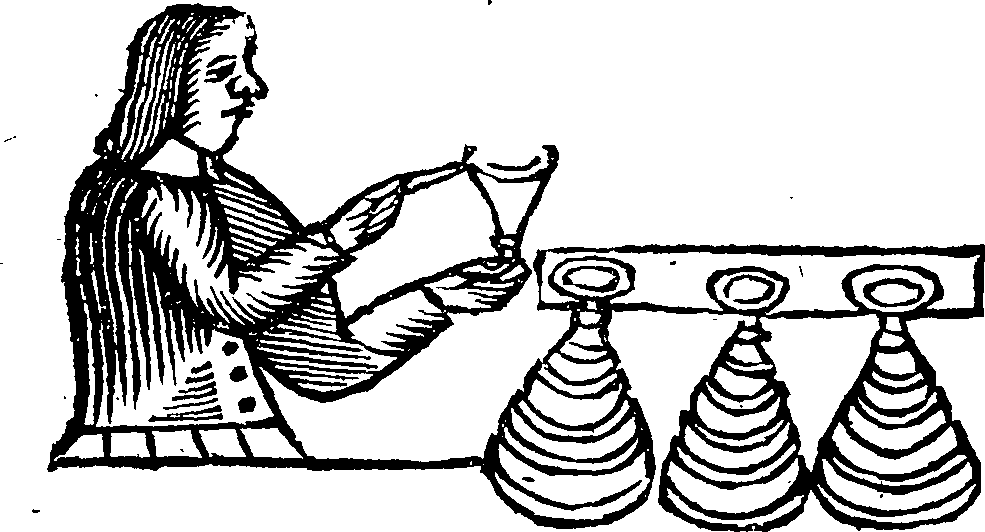
For much of history, magic was tied to ritual and religion. Shamans and priests used illusions to demonstrate their connection to the gods or spirits. But over time, magic shifted from the sacred to the stage. By the 18th and 19th centuries, magicians like Jean-Eugène Robert-Houdin became famous entertainers, performing incredible feats for packed theaters in Europe and America. They laid the groundwork for the modern magician, transforming magic into the popular entertainment it is today.
All Magic Isn't the Same
When you hear the word “magic,” you might picture someone pulling a rabbit from a hat. That’s one kind, but the world of magic is vast. Performances can be broken down into a few main categories, each with its own style and setting.
| Type of Magic | Setting | Key Element |
|---|---|---|
| Close-up Magic | Intimate, small groups | Sleight of hand |
| Stage Magic | Theaters, large audiences | Grand illusions |
| Mentalism | Stage or close-up | Psychological suggestion |
Close-up magic happens right under your nose. It relies on skillful manipulation of small objects like cards, coins, and rings. The intimacy is what makes it so powerful. When a coin vanishes from your own hand, the effect feels incredibly personal and baffling. Street magicians like David Blaine brought this style to a massive audience, showing that you don't need a big stage to create big wonder.

Stage magic, on the other hand, is all about spectacle. Think of sawing a person in half or making a helicopter appear out of thin air. These grand illusions are designed to be seen by hundreds or thousands of people at once. They often rely on elaborate props, secret assistants, and precisely timed mechanics to pull off the impossible on a massive scale.
Finally, there's mentalism. Mentalists, or mind readers, create the illusion that they can read thoughts, predict the future, or control people's actions. This is less about quick hands and more about psychology, suggestion, and careful manipulation of information. It plays on our assumptions about what's knowable, making audiences question the limits of the human mind.
The Real Secret
No matter the type of trick, all magic works because of how our brains are wired. Magicians are masters of exploiting the brain's natural shortcuts and blind spots. The real secret to magic isn’t a secret at all—it's psychology.
Misdirection
noun
The practice of diverting the audience's attention from a secret action.
Misdirection is the most famous principle. The classic example is a magician waving a wand with one hand to draw your eye away from the other hand, which is doing the sneaky part of the trick. But it's more than just looking where the magician points. It's about directing your thoughts.
A magician might ask you a question, making you focus on finding an answer instead of watching their hands. Or they might tell a story that captures your imagination, making the physical mechanics of the trick seem unimportant.
Magicians prey on a weakness called inattentional blindness. We can only focus on a few things at once, so we often miss what's happening right in front of us if our attention is elsewhere.
Another tool is suggestion. A mentalist might say, “You're thinking of a common shape, like a circle or a square.” By planting those ideas, they increase the odds you'll actually think of one of them. Our brains love to follow patterns and fill in the blanks, and magicians use that tendency to guide us toward the outcome they've already planned.
Ultimately, a magic trick is a partnership. The magician creates a puzzle, and the audience agrees to be puzzled. It's a game where the goal isn't to win, but to enjoy the feeling of wonder.
Now that you understand the core concepts, let's test your knowledge.
According to the text, what is the earliest recorded magic trick?
A performer on stage asks an audience member to think of a number between 1 and 50. The performer then reveals the number written on a sealed piece of paper. This is an example of which type of magic?