The Art of Ice Cream Making
Ice Cream Ingredients
The Building Blocks of Ice Cream
Every scoop of ice cream starts with a few key ingredients. While recipes vary, the basic formula relies on a careful balance of dairy, sweeteners, stabilizers, emulsifiers, and flavors. Each component plays a critical role in creating the smooth, creamy texture and delicious taste we expect.
Dairy The Creamy Foundation
The heart of traditional ice cream is dairy, usually a combination of milk and cream. These provide the fat and protein that give ice cream its characteristic richness and structure.
The key player here is milkfat (or butterfat). A higher fat content leads to a richer, creamier texture. It coats the ice crystals, keeping them small and preventing the ice cream from feeling icy. Think of the difference between premium ice cream, which is high in fat, and a light ice milk, which is leaner and less smooth.
Besides fat, dairy also contributes milk solids-not-fat (MSNF). This group includes proteins (like casein and whey) and lactose (milk sugar). These solids absorb water, which helps build body and chewiness in the final product. They also prevent the formation of large ice crystals, contributing to a smoother mouthfeel.
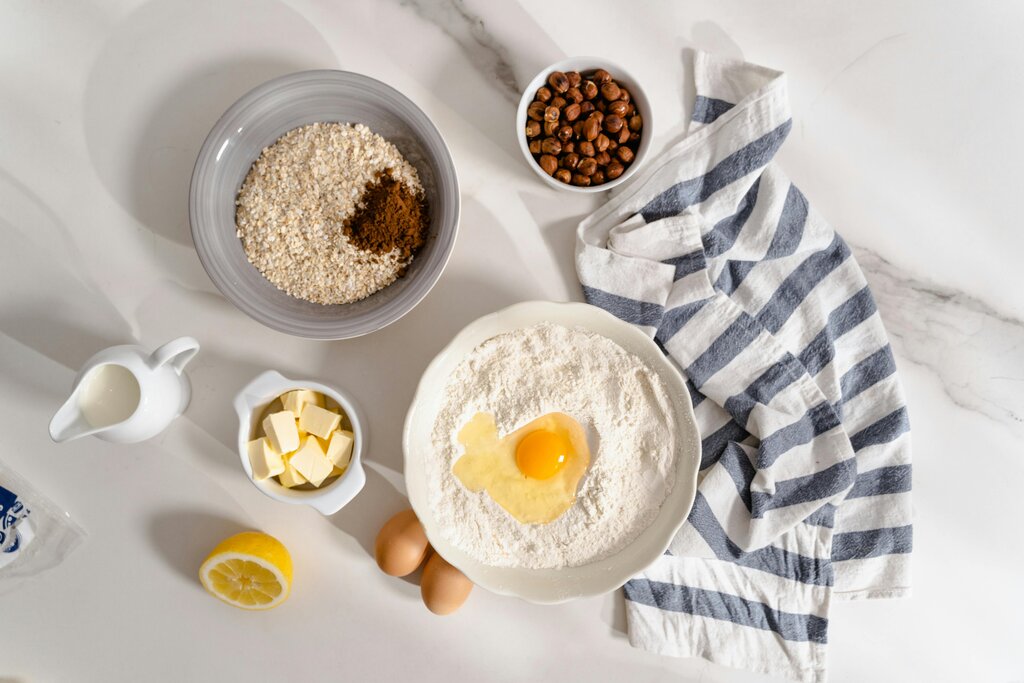
Sweeteners More Than Just Sweet
Sugar is essential, but not just for sweetness. Sweeteners, like sucrose (table sugar) or corn syrup, are crucial for controlling the texture of ice cream. Their most important job is lowering the freezing point of the ice cream mix.
Without sugar, ice cream would freeze into a solid, icy block. By lowering the freezing temperature, sugar ensures that a portion of the water in the mix remains unfrozen, even at freezer temperatures. This is what makes ice cream soft enough to scoop. The type and amount of sweetener directly affect how hard or soft the final product will be.
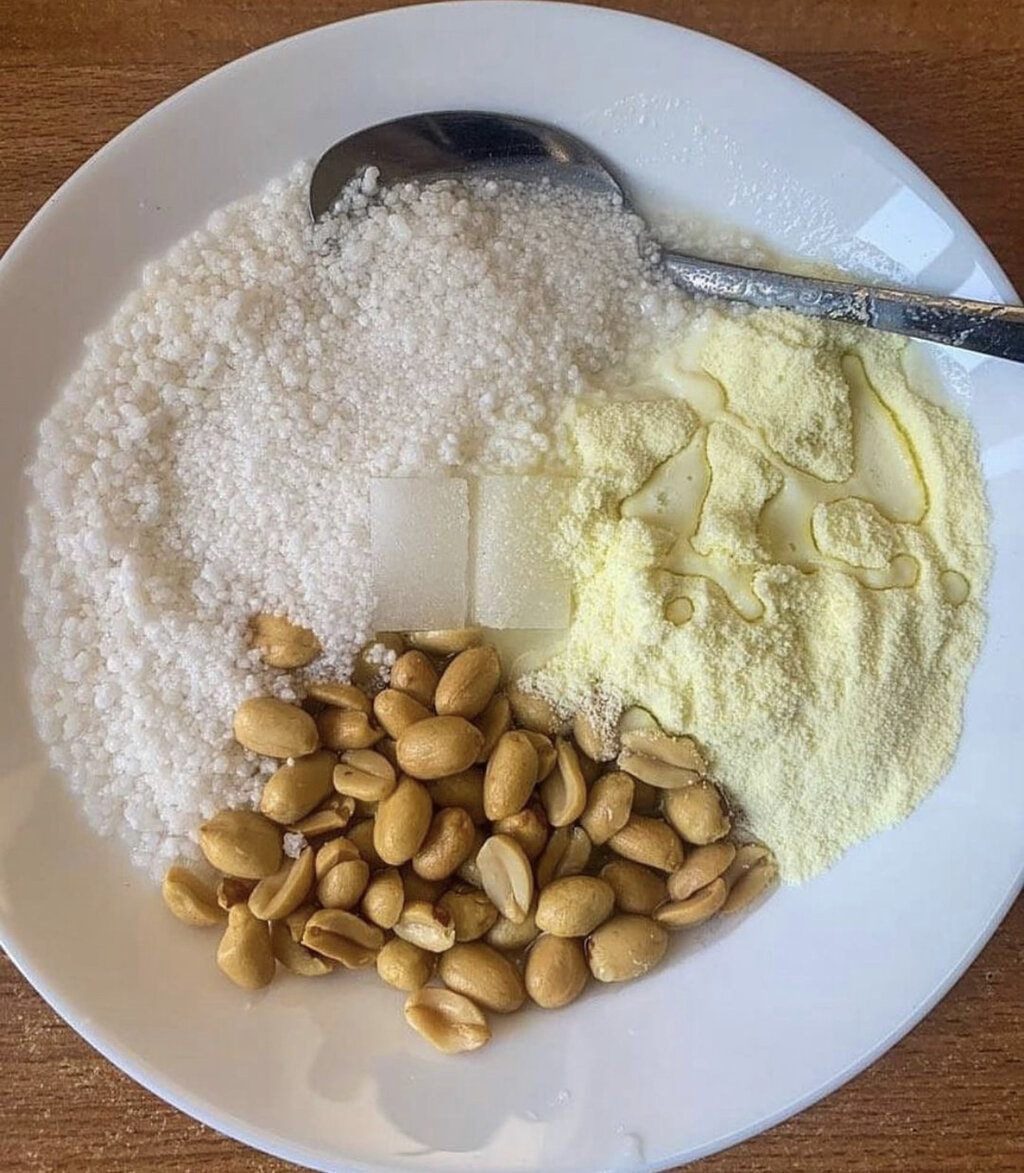
Stabilizers and Emulsifiers
These ingredients might sound like they belong in a lab, but they perform vital, natural functions. They are the unsung heroes responsible for ice cream's smooth texture and ability to withstand temperature changes.
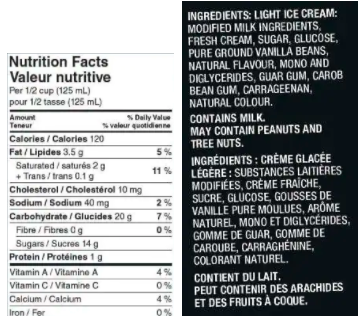
Stabilizers, such as guar gum or locust bean gum, are substances that absorb and hold onto water. Their main job is to prevent large ice crystals from forming, especially during storage and transport when temperatures can fluctuate. They add body and create a smoother, more uniform texture.
Emulsifiers help mix ingredients that don't naturally combine, like fat and water. A classic example is egg yolk, which contains lecithin. Emulsifiers break down fat globules and disperse them evenly throughout the mix. This creates a more stable structure, improves whipping ability, and results in a smoother, creamier ice cream that melts more slowly.
Think of an emulsifier as the peacemaker between oil and vinegar in a salad dressing. It keeps them from separating into layers.
Flavor The Final Touch
Once the base mix is perfected, it's time for flavor. This is where the creativity comes in. Flavorings can be natural or artificial and come in many forms.
Natural flavorings include things like vanilla extract from vanilla beans, rich cocoa powder for chocolate, or pureed fruit for strawberry ice cream. Artificial flavors are chemical mixtures designed to mimic natural tastes. Whether it's a simple vanilla or a complex swirl of caramel and nuts, the flavorings are what give each ice cream its unique identity.
Ready to review the roles of these key ingredients? Let's use some flashcards to lock in the concepts.
Now, let's test your knowledge on how these components come together.
What is the primary function of milkfat (butterfat) in ice cream?
If an ice cream freezes into a solid, icy block that is too hard to scoop, which ingredient was most likely insufficient?
Understanding these core ingredients is the first step in appreciating the science behind a perfect scoop of ice cream.