The Art of Horror Writing
Introduction to Horror Writing
The Art of Fear
At its core, horror writing has one main goal: to make you feel. Specifically, it aims to provoke feelings of fear, dread, suspense, and disgust. A good horror story doesn't just show you a monster; it makes you feel the cold breath on your neck. It’s about creating a powerful emotional response by exploring the darker aspects of life, imagination, and the human psyche.
The purpose isn't just to scare, but to explore what scares us and why. It holds up a mirror to our anxieties, both personal and societal.
A Shadow Through History
While tales of monsters and ghosts are as old as language itself, horror as a literary genre really found its footing in the 18th century with Gothic literature. These stories were filled with decaying castles, supernatural events, and damsels in distress. Mary Shelley’s Frankenstein (1818) gave us a monster born from forbidden science, questioning the nature of humanity itself. Later, Bram Stoker's Dracula (1897) defined the modern vampire, blending folklore with anxieties about disease and foreign influence.
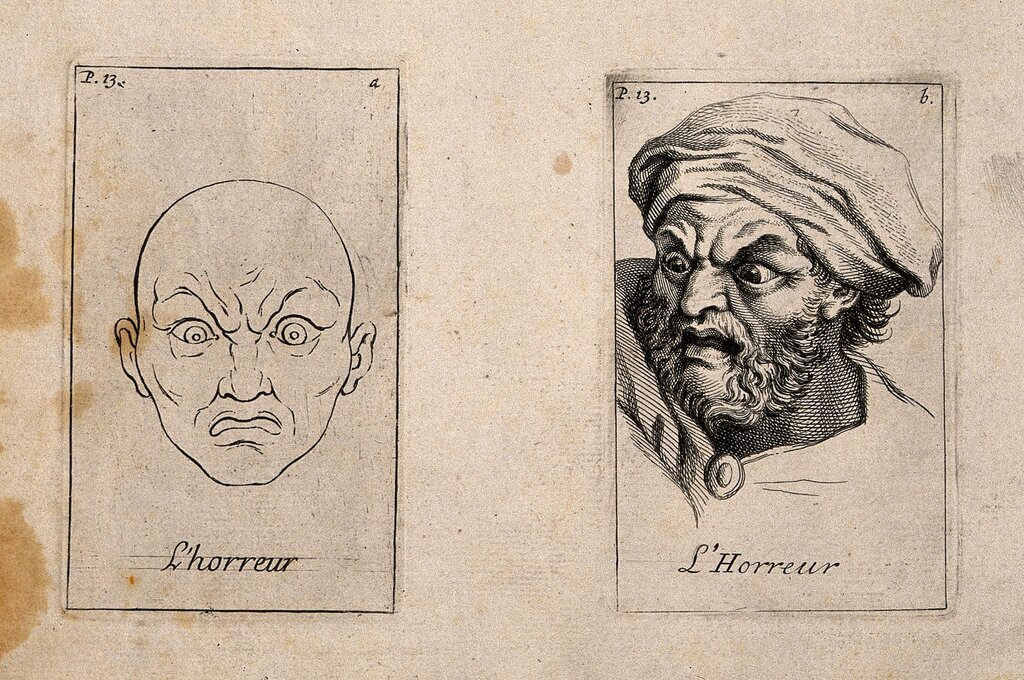
The 20th century saw horror evolve. Writers like H.P. Lovecraft introduced "cosmic horror," tapping into the fear of the unknown and humanity's insignificance in a vast, uncaring universe. Later, the post-war boom brought horror into suburban homes with authors like Shirley Jackson and, eventually, Stephen King, who became masters at turning the ordinary into the terrifying.
Why We Love to Be Scared
Horror stories work because they tap into universal human fears. These are the deep-seated anxieties that we all share on some level. The fear of death, the unknown, pain, and loss of control are common themes. Horror narratives take these abstract fears and give them a concrete form, whether it's a masked killer, a haunted house, or a creature from the depths.
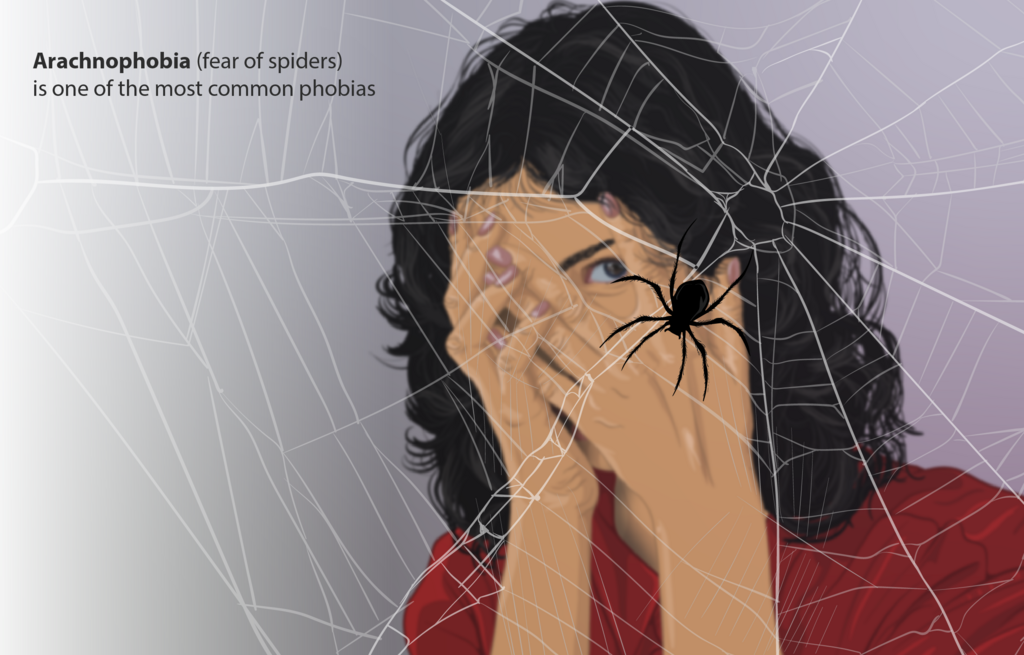
By confronting these fears in a safe environment, like reading a book, we can experience the thrill of survival without any real danger. It’s a way to explore our own psychological boundaries. The monster in the story is rarely just a monster; it often represents a real-world anxiety, like social collapse, scientific overreach, or our own inner darkness.
Flavors of Fear
Horror isn't a single, monolithic genre. It's a broad category with many distinct subgenres, each using different tools to create a sense of dread. Understanding these subgenres helps us appreciate the variety and artistry within horror writing.
Gothic novels are characterized by a distinct set of elements that create an atmosphere of mystery, terror, and suspense
Here are a few of the most common types.
| Subgenre | Focus | Key Elements |
|---|---|---|
| Gothic Horror | Atmosphere and setting | Decaying castles, family curses, supernatural events, high emotion. |
| Supernatural Horror | Beings or forces beyond the natural world | Ghosts, demons, vampires, monsters. The threat is external and otherworldly. |
| Psychological Horror | The character's internal state | Unreliable narrators, mental instability, paranoia. The threat is often internal or ambiguous. |
These categories often overlap. A story can be both Gothic and supernatural, or blend psychological elements with a monstrous threat. This rich history and psychological depth are what make horror such a powerful and enduring form of storytelling.