The Art of Goodbye
Understanding Goodbyes
The Weight of a Goodbye
A goodbye is more than just a word. It’s a moment that marks an ending, a separation, or a transition. Whether it’s leaving a job, moving to a new city, or ending a relationship, farewells are significant psychological events. They punctuate our lives, closing one chapter and, sometimes reluctantly, opening another.
Humans are wired for connection. We build attachments to people, places, and routines that give us a sense of stability and belonging. Goodbyes challenge these connections. They represent a break in what is known and comfortable, forcing us to face a future where something or someone is absent. This is why even a simple "see you later" can feel heavy when the separation is long or uncertain.

An Emotional Rollercoaster
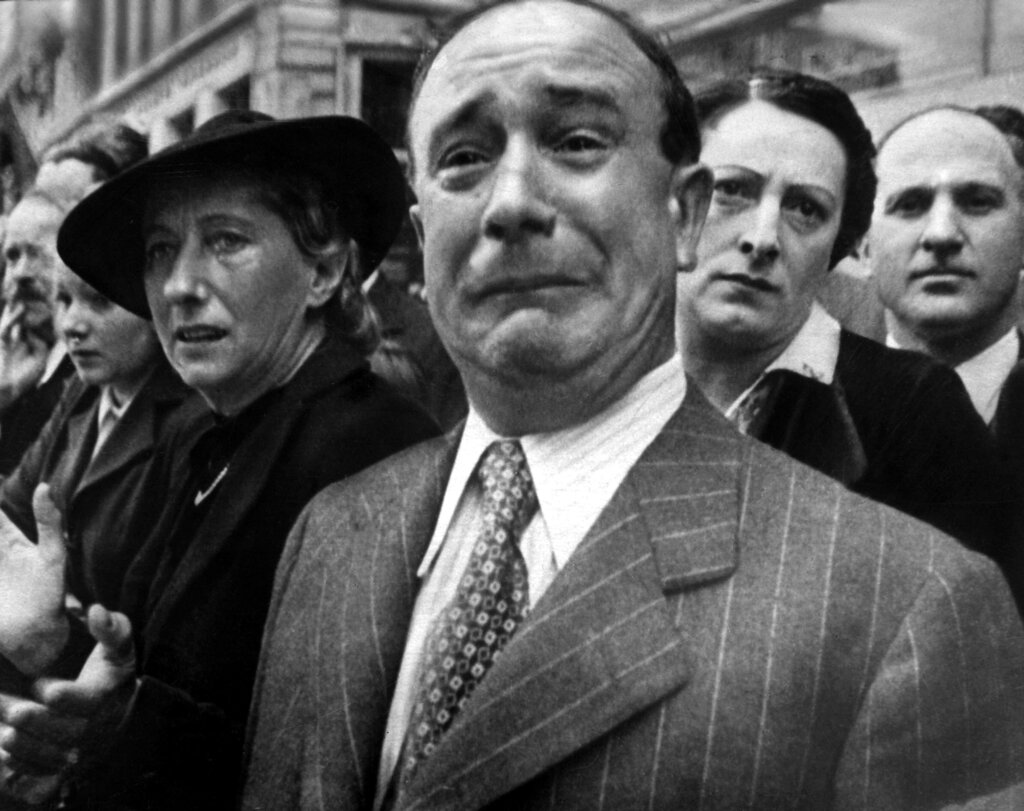
It's no surprise that goodbyes trigger a wide range of powerful emotions. These feelings are a natural and necessary part of processing the change that is happening.
Sadness is often the first and most common reaction. It's a direct response to loss. We feel sad because we are losing access to someone or something we value. This sadness acknowledges the importance of what we're leaving behind.
Grief is a deeper, more complex form of sadness. It’s the emotional process of coming to terms with a significant loss. While we often associate grief with death, it can arise from any major life ending, like a divorce or a move far from home. It's the slow, painful work of adjusting to a new reality.
Anxiety also plays a major role. Goodbyes push us into the unknown. We might worry about what the future holds, whether we'll cope without the person, or if we've made the right decision. This uncertainty can be deeply unsettling.
Goodbyes and Who We Are
Our identities are deeply intertwined with our relationships, roles, and environments. When we say goodbye, we're not just parting with something external; we're also letting go of the version of ourselves that existed in that context.
Think about leaving a long-held job. You're not just leaving a building and a set of tasks. You're saying goodbye to being "the project manager" or "the friendly face at the front desk." Your daily routines, your work friendships, and the sense of purpose you derived from that role are all gone. This can leave a void and force you to redefine who you are.
Similarly, ending a friendship or romantic relationship means you are no longer someone's partner or confidant. The future you imagined together disappears, and the part of your identity tied to that person must be re-examined. This process can be disorienting, as if you've lost a piece of your own story.
A farewell isn't just about losing someone else. It's also about losing the version of yourself that existed with them.
The Urge to Avoid
Given how uncomfortable they are, it's natural to want to avoid goodbyes altogether. This is why people sometimes "ghost" in relationships or slip out of a party without saying farewell. It’s an attempt to bypass the pain and awkwardness of the moment.
Avoiding a formal goodbye is a defense mechanism. It creates the illusion that the ending isn't real or final. By skipping the farewell, we try to sidestep the flood of sadness, grief, and anxiety that comes with acknowledging a separation. However, this avoidance often denies us the chance for closure, leaving unresolved feelings that can linger.

Understanding why goodbyes are so difficult is the first step. Acknowledging the mix of sadness, anxiety, and the temporary loss of identity allows us to see these farewells not just as painful endings, but as crucial moments of transition in our lives.