The Art of French Patisserie
Introduction to Pâtisserie
The Art of Pâtisserie
French pastry, or pâtisserie, is more than just dessert. It's a craft steeped in history and cultural pride. For centuries, French bakers have been refining techniques, turning simple ingredients like flour, butter, and sugar into edible art. The journey began in the Middle Ages with simple doughs, but it was during the 19th century that pâtisserie truly blossomed. Chefs like Marie-Antoine Carême, often called the “king of chefs and chef of kings,” elevated pastry to the level of architecture, creating elaborate centerpieces that dazzled French royalty.
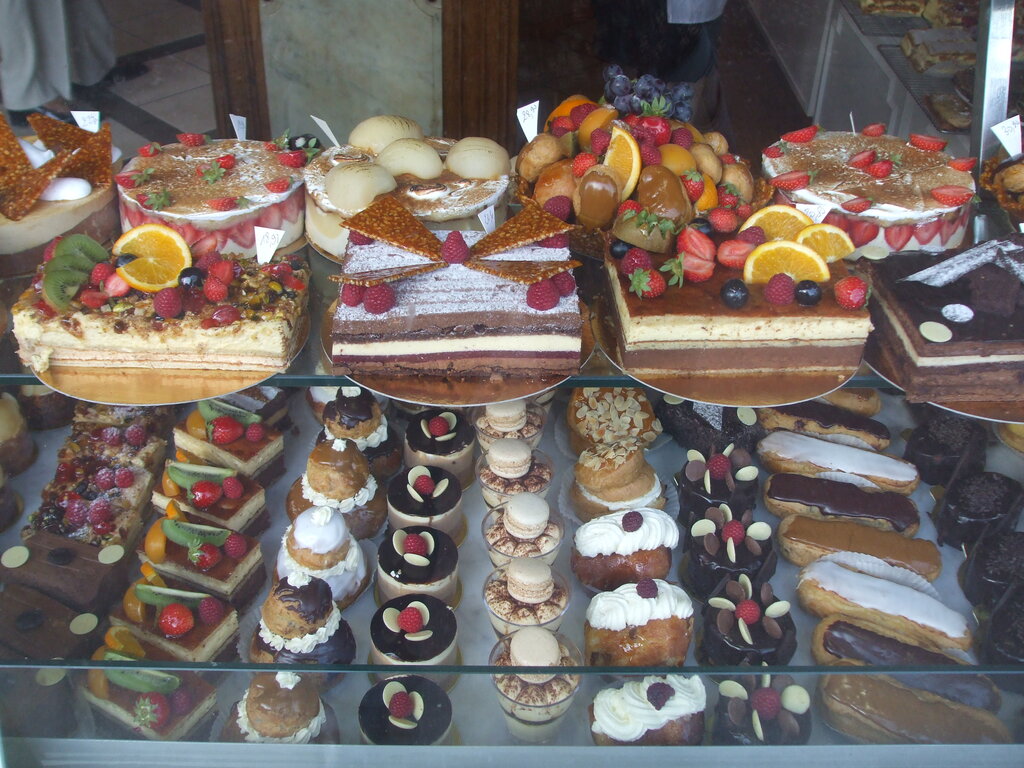
This tradition of excellence continues today. A visit to a French pastry shop is a feast for the senses, with perfectly arranged éclairs, macarons, and tarts. Each creation tells a story of precision, patience, and passion. Understanding this foundation is the first step to appreciating, and eventually creating, these masterpieces yourself.
Tools of the Trade
Just as a painter needs brushes, a pastry chef needs a specific set of tools. While a home kitchen might have the basics, professional pâtisserie relies on equipment that ensures consistency and precision. You don't need every gadget, but a few key items are non-negotiable.
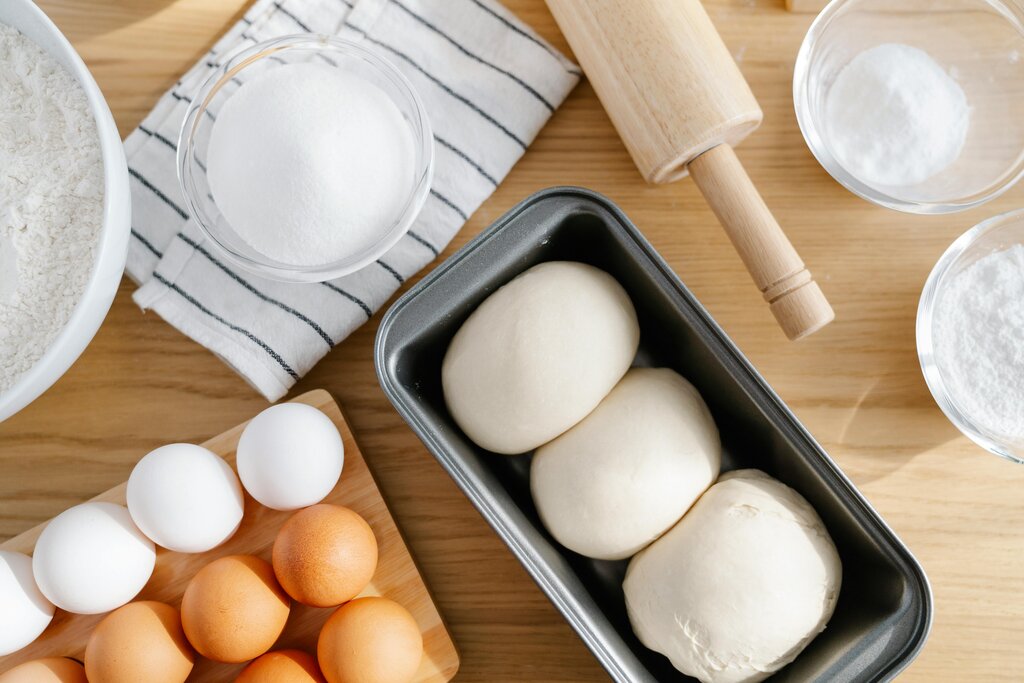
The most important tool is a digital kitchen scale. Unlike savory cooking, where you can often add a pinch of this or a dash of that, baking is a science. Measuring ingredients by weight, not volume, guarantees your ratios are correct every time.
Other essentials include a sturdy stand mixer for doughs and batters, a quality rolling pin (preferably a French one without handles for better control), whisks of various sizes, silicone spatulas for scraping every last bit from the bowl, and piping bags with different tips for decorating.
In pastry, precision isn't a suggestion—it's a requirement. Think of it as chemistry for the kitchen.
Speaking the Language
Because so many foundational techniques originated in France, the language of the pastry kitchen is filled with French terms. Learning a few basics will help you understand recipes and techniques, no matter where you are.
A ”pâtisserie” (pah-tee-ss-ree) is a bakery that specializes in pastries and sweets.
Another common term is boulangerie, which is a bakery focused on breads like baguettes and croissants. While some shops are both, a true pâtisserie is a haven for sweets.
One of the most important concepts for any chef is mise en place.
Everything in its place
This means preparing and organizing all your ingredients and equipment before you start the actual process of mixing or baking. It ensures a smooth, efficient workflow and prevents stressful last-minute scrambling.
A Clean and Safe Kitchen
A professional kitchen runs on strict rules of hygiene and safety. This isn't just about following regulations; it's about respecting the ingredients, the craft, and the people who will enjoy your food. The first rule is simple: wash your hands. Wash them before you start, after you touch anything that isn't food (like your phone), and especially after handling raw ingredients like eggs.
Keep your workspace tidy. A clean station is the sign of an organized mind and leads to better, safer baking.
Another key principle is avoiding cross-contamination. Use separate cutting boards and utensils for raw ingredients and ready-to-eat items. Always be mindful of your surroundings. Ovens are hot, mixers are powerful, and knives are sharp. Work calmly and deliberately to prevent accidents. A safe kitchen is a productive kitchen.
Let's review some of the key terms from this introduction.
Now, test your knowledge on the basics.
Which historical figure is known for elevating French pastry into an art form, creating elaborate architectural centerpieces?
According to the text, why is a digital kitchen scale considered the most important tool in pâtisserie?
With these foundations in history, equipment, language, and safety, you're ready to begin your journey into the world of pâtisserie.