The Art of Film Photography
Introduction to Film Photography
The Magic of Light and Silver
Before digital sensors and memory cards, photography relied on a chemical process. It was about capturing light on a physical medium: film. The journey began in the early 19th century with cumbersome equipment and exposure times that could last for minutes. Over decades, inventors refined the process, making cameras smaller and film more sensitive, eventually putting photography into the hands of millions.
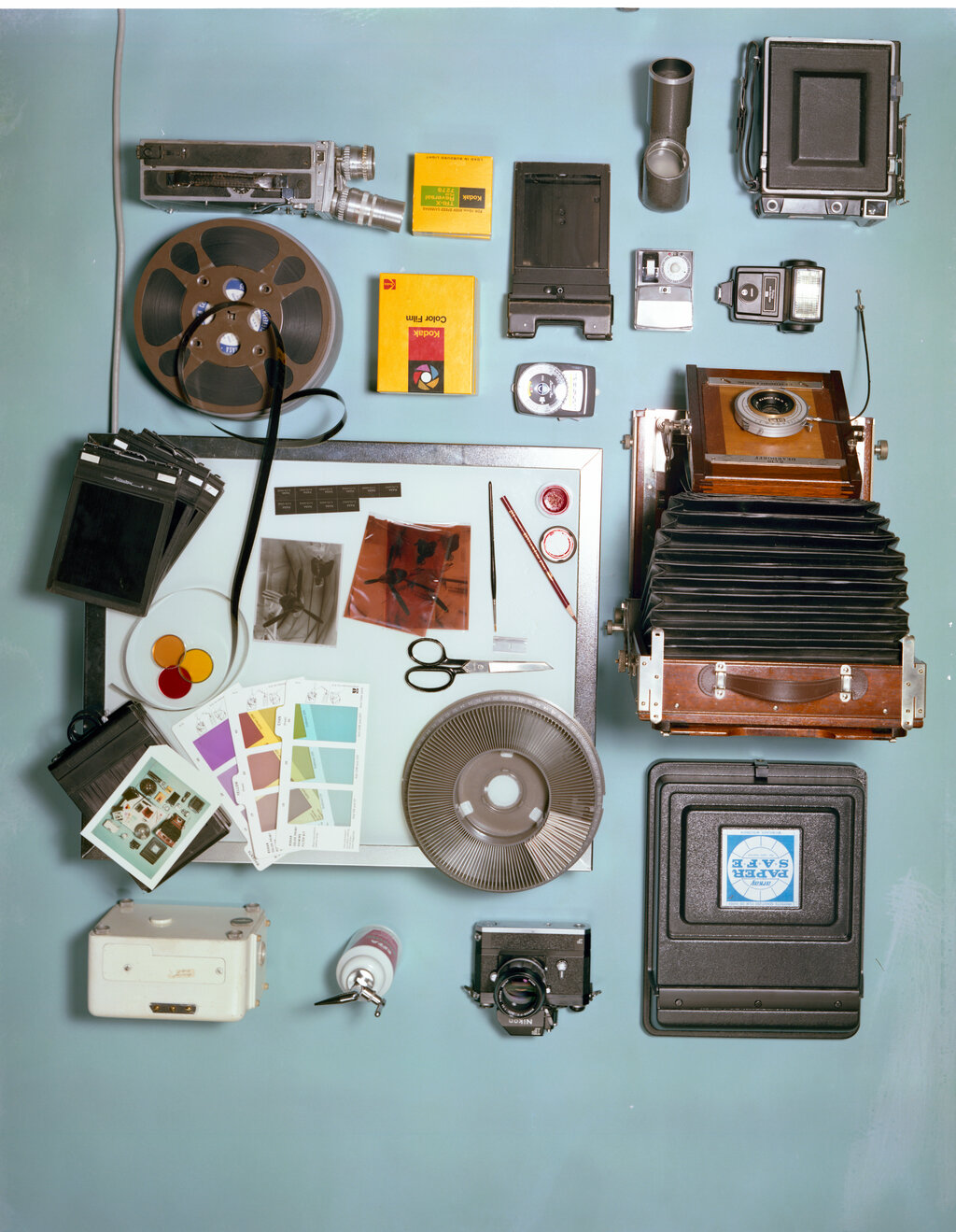
At its heart, film photography is a collaboration between light and chemistry. It’s a completely analog process that transforms a fleeting moment into a tangible object.
How Film Sees the World
A roll of film is a plastic base coated with a layer called an emulsion. This emulsion is the key. It's a gelatin mixture packed with microscopic, light-sensitive crystals of silver halide. Think of these crystals as millions of tiny light recorders waiting for a signal.
When you press the shutter button, the camera's lens focuses light from the scene directly onto the film. This burst of light triggers a chemical change in the silver halide crystals it strikes. The brighter the light, the more crystals are affected. This creates an invisible, unprocessed record of the image called a latent image.
This latent image is like a secret message written in invisible ink. The picture is there, stored in the chemical structure of the emulsion, but you can't see it yet. It only becomes visible during the development process, where a series of chemical baths turn the exposed silver crystals into a metallic silver image. This creates a negative, where the brightest parts of your scene appear darkest, and the darkest parts appear lightest.
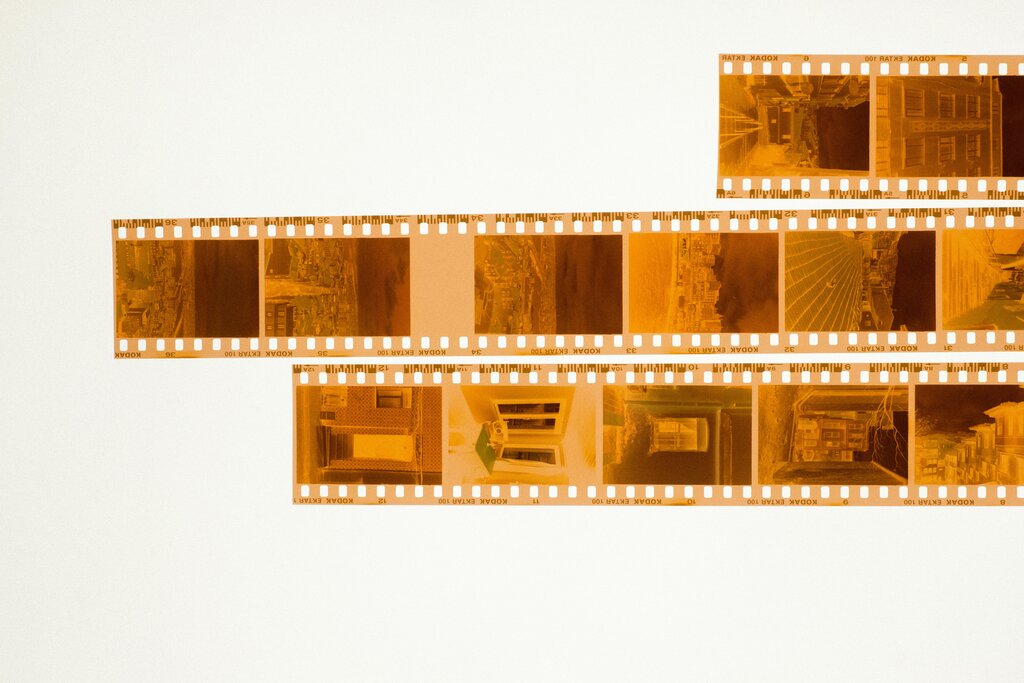
The Look and Feel of Film
Film photography isn't just a different process; it produces a different kind of image. One of the most notable characteristics is film grain. Those tiny silver halide crystals create a texture in the final image that can range from nearly invisible to coarse and gritty. Unlike digital noise, many photographers find grain to be a pleasing, organic element.
Each type of film also has its own unique way of interpreting color. Some films produce vibrant, saturated colors perfect for landscapes, while others create muted, subtle tones ideal for portraits. This built-in color science gives each film stock a distinct personality. The look isn't created in post-processing—it's baked into the chemistry of the film itself.
The choice of film is the first creative decision a photographer makes, influencing the mood and texture of the image before the shutter is even pressed.
This physical, chemical nature gives film photos a quality that many people feel is more lifelike and soulful than the pixel-perfect sharpness of digital. It’s a medium with beautiful imperfections that add character and depth to an image.
Ready to check your understanding?
What is the invisible, unprocessed image recorded on film after exposure but before development called?
True or False: The characteristic color profile of a photograph taken on film is primarily determined by post-processing software.