The Art of Film Photography
Introduction to Film Photography
Capturing Light in a Box
Before we had cameras, we had the camera obscura, which is Latin for “dark room.” Artists would sit inside a dark chamber with a tiny hole in one wall. A surprisingly clear, upside-down image of the outside world would project onto the opposite wall, which they could then trace. This was the first step: projecting an image. The next challenge was figuring out how to make that image stick.
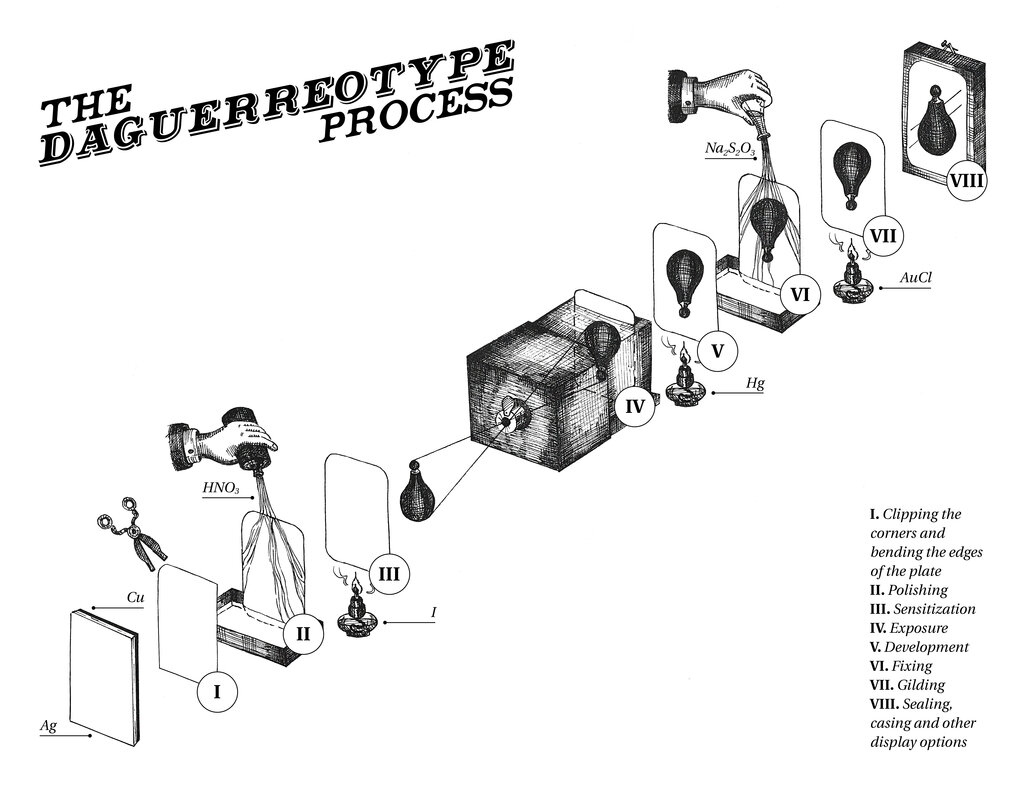
In the 1820s, a French inventor named Joseph Nicéphore Niépce finally succeeded. He coated a pewter plate with a light-sensitive substance and exposed it to a scene for several hours. The result was the world's first permanent photograph. Early processes like the daguerreotype were complex and involved polishing metal plates and using hazardous chemicals.
Photography remained a specialist's game until George Eastman came along. In 1888, he introduced the Kodak camera with the slogan, "You press the button, we do the rest." His invention used a roll of flexible film instead of cumbersome plates. This made photography accessible to everyone, changing how we document our lives forever.
The Anatomy of a Film Camera
At its core, a film camera is simply a light-proof box. Its entire job is to let in a specific amount of light for a specific amount of time to hit a piece of film. While models vary, they all share a few essential components that make this possible.
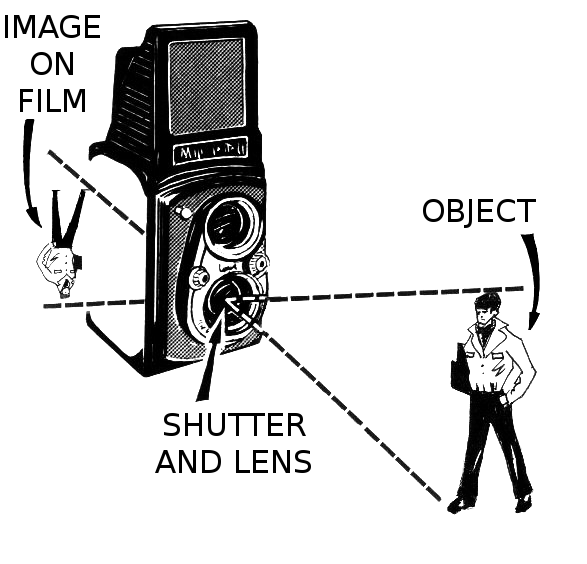
Here are the key players:
- The Lens: A series of glass elements that gather light from a scene and focus it precisely onto the film plane.
- The Aperture: An adjustable opening inside the lens, much like the pupil of your eye. It widens or narrows to control the amount of light that passes through.
- The Shutter: A curtain that sits in front of the film. It opens and closes to control how long the light exposes the film. The length of this time is called the shutter speed.
- The Viewfinder: The window you look through to compose your shot. It gives you a preview of what the lens sees.
- The Film Advance Lever: A lever you crank after each shot to move the exposed section of film out of the way and pull up a fresh, unexposed frame.
Film vs. Digital
The biggest difference between film and digital photography is the medium used to record the image. One uses chemistry, the other uses electronics.
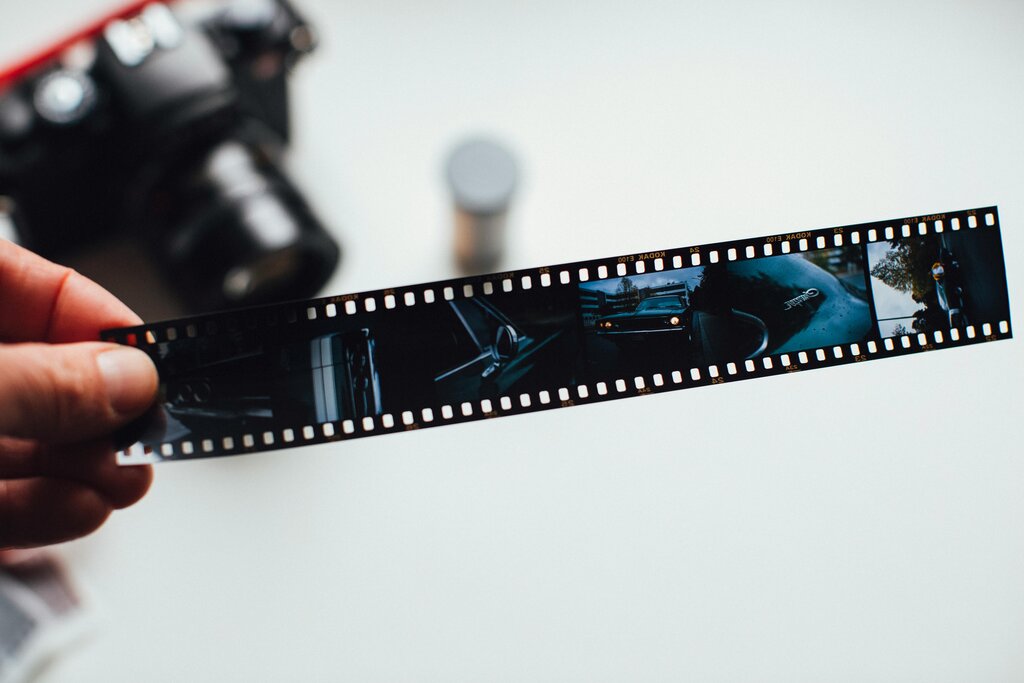
With film, light strikes a plastic strip coated in a gelatin emulsion containing tiny, light-sensitive silver halide crystals. This interaction creates an invisible, latent image. To make it visible, the film must be processed in a series of chemical baths. The result is a negative, which is then used to create a positive print.
Digital cameras, on the other hand, use a solid-state electronic sensor. This sensor is a grid of millions of microscopic light collectors called photosites, or pixels. When light hits the sensor, each pixel measures the intensity and color of the light and converts it into a digital signal. This data is then processed and stored on a memory card as an image file. You can see the result instantly.
| Feature | Film Photography | Digital Photography |
|---|---|---|
| Medium | Light-sensitive chemical film | Electronic sensor (CCD or CMOS) |
| Process | Chemical development required | Instant electronic processing |
| Feedback | Delayed; must develop film to see results | Immediate; viewable on an LCD screen |
| Cost per shot | Cost of film roll + development | Essentially free; reusable memory card |
| Look & Feel | Characterized by film grain | Characterized by pixels and digital noise |
The Principles of Exposure
Capturing a well-exposed image on film—one that is not too dark or too bright—boils down to managing three key elements. These work together to control the total amount of light that reaches the film.
Aperture, shutter speed, and film sensitivity are the three pillars that control how your photograph will look.
First is the aperture, the opening in the lens. A wider aperture lets in more light, which is useful in dark situations. A narrower aperture lets in less light.
Second is the shutter speed, which is the duration the shutter stays open. A fast shutter speed lets in very little light but can freeze motion. A slow shutter speed lets in a lot of light but can cause moving objects to blur.
Finally, there's the sensitivity of the film itself, measured by a number called ISO (or ASA). A low ISO film (like 100) is less sensitive to light and produces very fine grain, making it ideal for bright, sunny days. A high ISO film (like 800 or 1600) is very sensitive to light, allowing you to shoot in dimmer conditions, but it produces more noticeable grain.
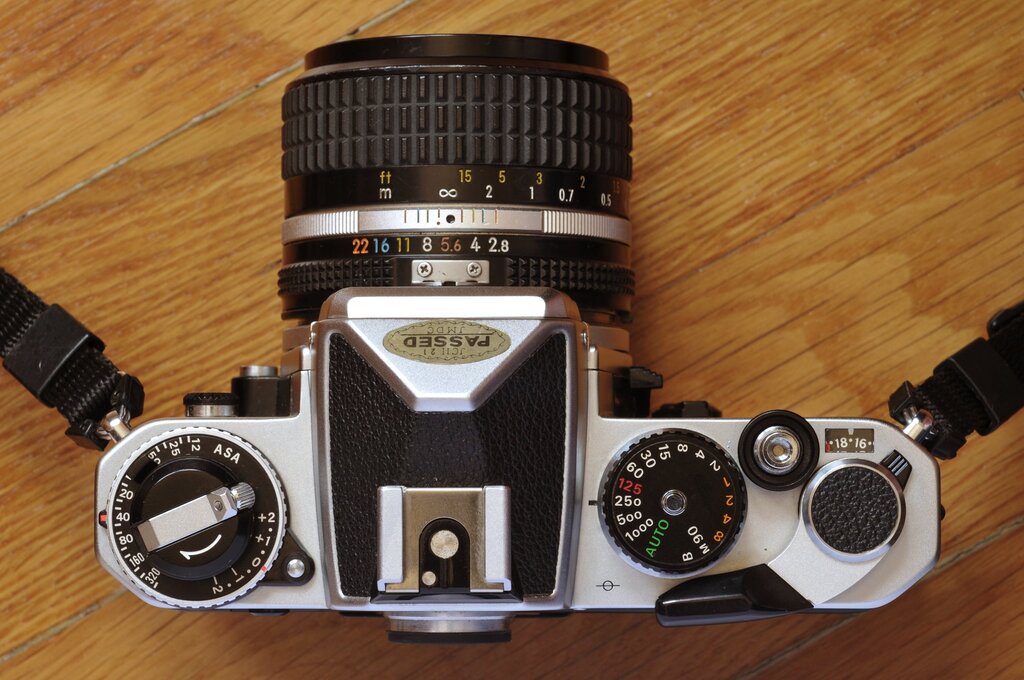
Balancing these three elements is the fundamental skill of film photography. It is a deliberate, hands-on process that makes each press of the shutter feel meaningful.
What was the primary function of the camera obscura for artists before the invention of permanent photography?
Who made photography accessible to the general public with the slogan, "You press the button, we do the rest"?