The Art of Film Photography
Introduction to Film Photography
The Magic of Film
In a world of instant digital images, film photography feels like a different language. It's a physical process, a chemical reaction that captures light and freezes a moment in time on a strip of plastic. Instead of pixels on a sensor, film uses light-sensitive crystals to create an image.
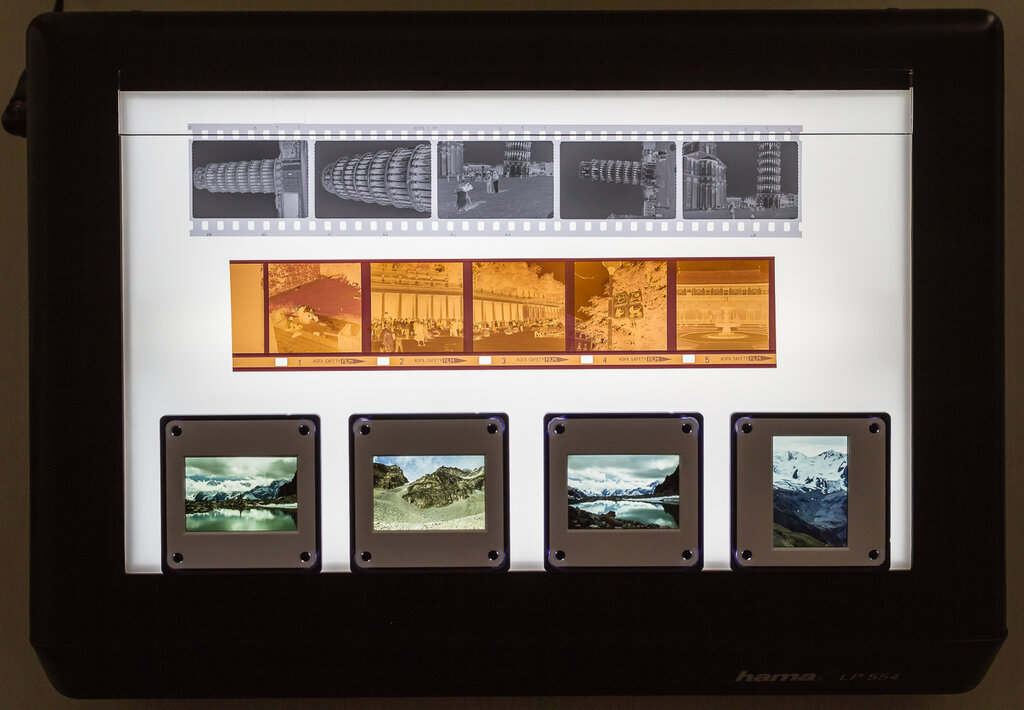
The core of film is an emulsion, a layer of silver halide crystals suspended in gelatin, coated onto a flexible base. When light from your camera's lens hits these crystals, a chemical change occurs. This creates a latent image, an invisible map of the light and shadow from your scene. It's only later, through a chemical development process, that this hidden image becomes visible.
From Box to 35mm
Photography's journey began long before digital sensors. The first cameras were simple, room-sized boxes called camera obscuras, which just projected an image onto a surface. It wasn't until the 1800s that inventors found ways to permanently capture these projections using chemical processes on metal plates or paper.
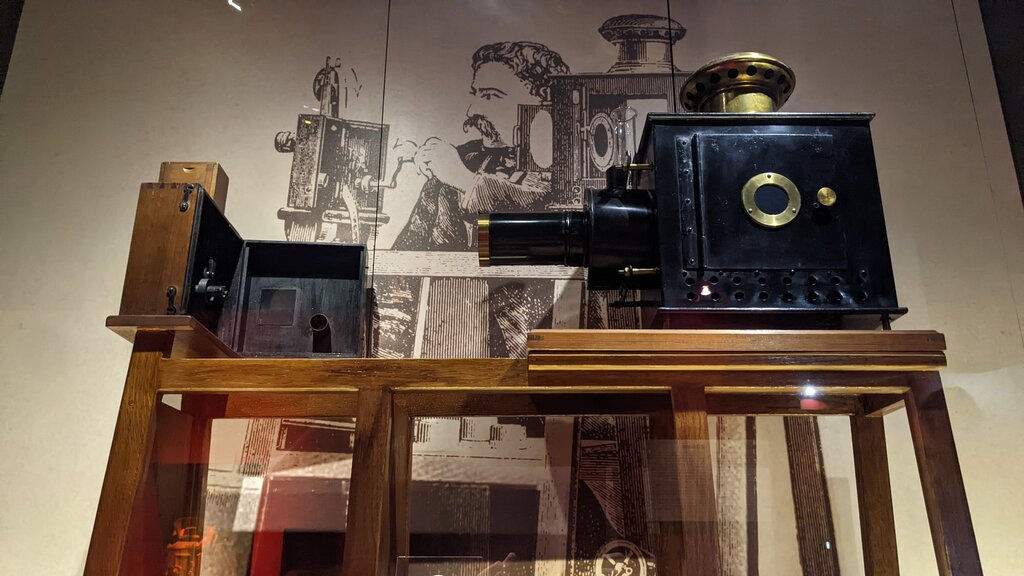
The real revolution came with roll film, pioneered by George Eastman's Kodak company. This made photography accessible to everyone. The camera became smaller, and you no longer needed to be a chemist to take a picture. This evolution eventually led to the 35mm format, which became the standard for decades and is still widely used by film enthusiasts today.
The Simple Light Box
At its heart, a film camera is a simple machine. It’s a light-proof box designed to control how light reaches the film. Three key components work together to make an exposure.
- The Lens: A series of glass elements that gathers light from a scene and focuses it onto the film plane.
- The Aperture: An adjustable opening inside the lens that controls how much light passes through. A wider aperture lets in more light; a smaller one lets in less.
- The Shutter: A curtain or blade that opens for a specific amount of time to control how long the film is exposed to light.
When you press the shutter button, the shutter opens for a fraction of a second, allowing the light focused by the lens to pass through the aperture and strike the film. The combination of aperture size and shutter speed determines the exposure, or the total amount of light that creates the image.
Film vs. Digital
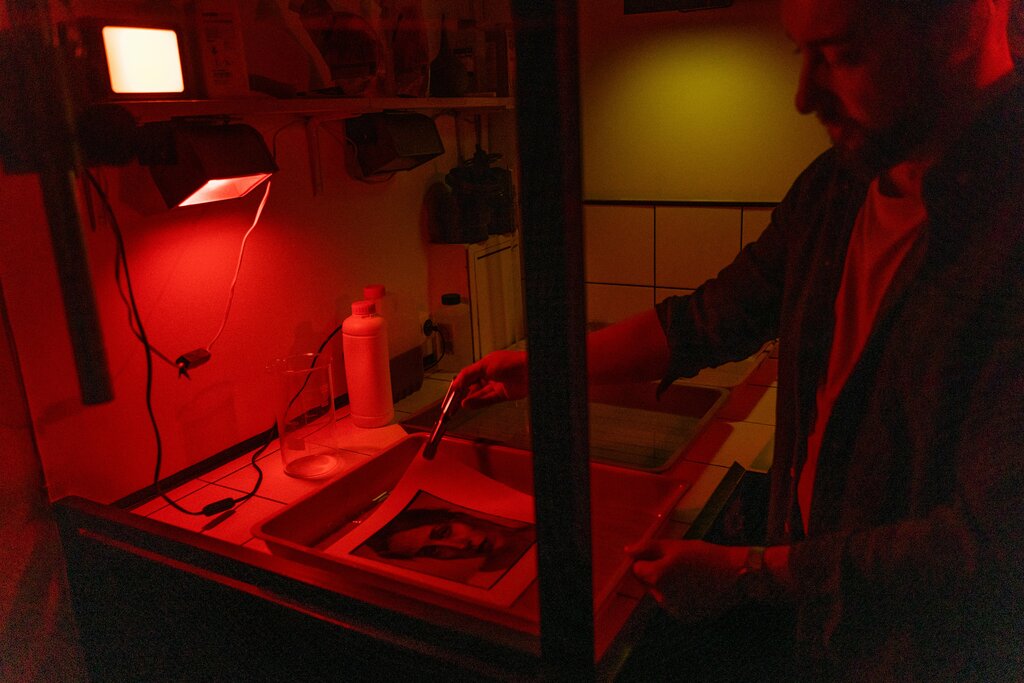
While both film and digital photography aim to capture light, their processes and results are fundamentally different. Digital photography captures light on an electronic sensor, converting it into data—pixels—that you can see instantly. Film captures light through a chemical process, resulting in a physical negative that must be developed and then printed or scanned.
| Feature | Film Photography | Digital Photography |
|---|---|---|
| Medium | Chemical emulsion on a plastic base | Electronic sensor (CMOS, CCD) |
| Result | Physical negative/positive | Digital file (JPEG, RAW) |
| Immediacy | Delayed; requires chemical development | Instant review on screen |
| Aesthetic | Organic grain, distinct color palettes | Clean pixels, high sharpness |
| Process | Deliberate, limited shots per roll | Fast, thousands of shots possible |
One of the most celebrated characteristics of film is its "look." Each type of film has a unique way of rendering colors, contrast, and grain—the fine, sand-like texture in the image. Digital sensors aim for perfect accuracy, while film stocks offer distinct personalities. This quality, combined with the thoughtful, slower process it requires, is why many photographers are drawn to the medium.
Ready to check your understanding of these core concepts?
What is the light-sensitive component suspended in the emulsion layer of photographic film?
The invisible image on film that is created by light exposure but is not yet visible is called a:
Understanding these basics—how light interacts with chemicals, how a camera works, and what makes film unique—is the first step into the rewarding world of analog photography.