The Art of DJing
Origins of DJing
The First Spin
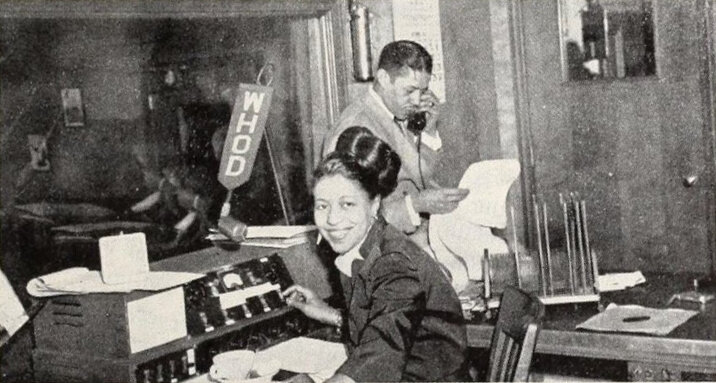
Before DJs commanded festival stages, they were voices on the radio. The term “disc jockey” originally described a radio announcer who played records, or “discs.” The job was simple: introduce a song, play it, and talk a bit before the next one started.
disc jockey
noun
A person who introduces and plays recorded popular music, especially on the radio or at a club.
Radio announcer Martin Block is credited with coining the phrase in 1935. When breaking news forced his station, WNEW in New York, to stall for time, Block played records to fill the air. To create a sense of occasion, he pretended he was broadcasting live from a grand ballroom, with the era's biggest bands performing just for his listeners. He called his show the “Make Believe Ballroom,” and the idea of a radio personality guiding a musical experience was born. Listeners loved it. Block became a star, and the role of the disc jockey was cemented in popular culture.
From Radio to Dance Floor
The idea of one person selecting music for a crowd soon jumped from the airwaves to live events. In 1943, a British radio DJ named Jimmy Savile hosted what is considered the world's first DJ dance party. He played jazz records for guests in the upstairs function room of a local pub.
His setup was primitive. Savile used a single turntable connected to a public address system. This meant there was silence between each record as he swapped them out. Still, the concept was a hit. For the first time, a party's music wasn't limited to what a live band could play. A single person could curate a night of music from the world's best artists.
The DJ's role shifted from simply playing records to creating a continuous, curated musical journey for a live audience.
The Double Deck Revolution
The awkward pause between songs was a problem. How could you keep people dancing if the music kept stopping? The solution was simple but revolutionary: use two turntables instead of one.
With two turntables and a basic audio mixer, a DJ could have the next song cued up and ready to go while the current one was still playing. As one record ended, the DJ could seamlessly switch the audio to the other deck, creating a continuous flow of music. This innovation was the single most important technical leap in the history of DJing. It transformed parties from a series of individual songs into an uninterrupted experience, keeping the energy on the dance floor high all night long.
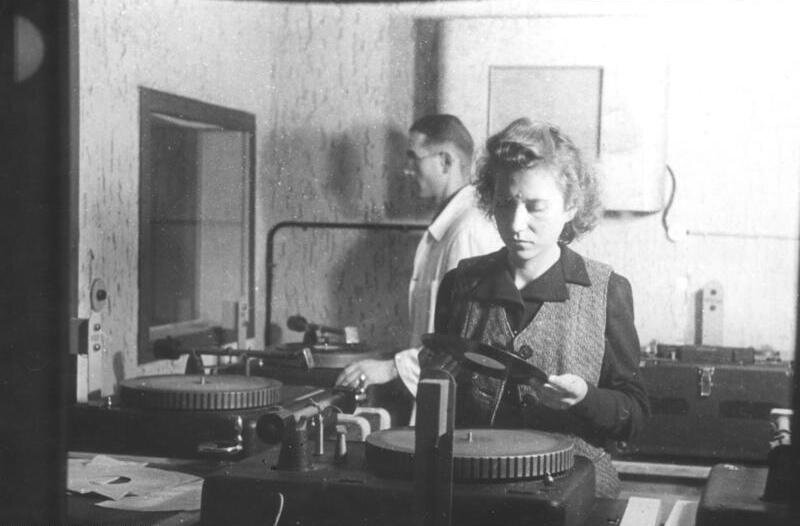
This setup, often called “decks,” laid the groundwork for every DJ technique to come, from simple fades to complex beatmatching and scratching.
Rise of the Discothèque
As DJs and their twin turntables grew more common, a new kind of venue emerged to house them. The concept of the “discothèque” began in Paris during World War II. With live music forbidden in Nazi-occupied France, private clubs and bars began playing records for patrons in secret. They called these places discothèques.
a library of phonograph records
After the war, the trend spread. The first discothèque in the UK opened in London in the 1950s, and the concept soon crossed the Atlantic to the United States. In 1959, the Whisky a Go Go opened in Chicago, followed by New York's Peppermint Lounge in 1961. These clubs, dedicated specifically to dancing to recorded music played by a DJ, became the blueprint for the modern nightclub.
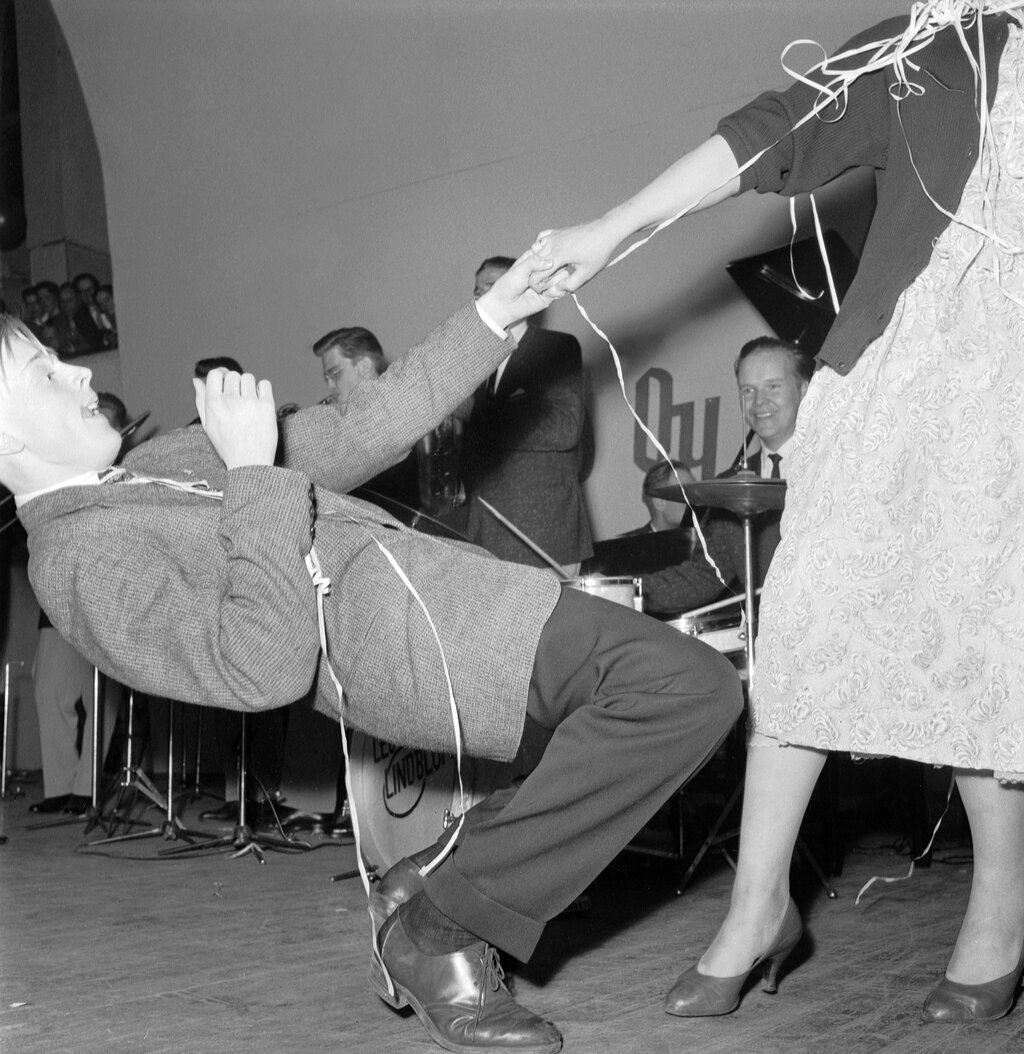
These early innovators—from radio announcers to wartime club owners—created a new form of entertainment. They took the simple act of playing a record and turned it into an art form, setting the stage for the global culture of DJing we know today.
Ready to test your knowledge?
Who is credited with coining the phrase “disc jockey” after creating the “Make Believe Ballroom” radio show in 1935?
What was the single biggest problem Jimmy Savile faced when hosting the first DJ dance party with a single turntable?
From these humble beginnings, DJs would go on to develop new techniques and technologies that would change music forever.