The Art of Diplomacy
Introduction to Diplomacy
What Is Diplomacy?
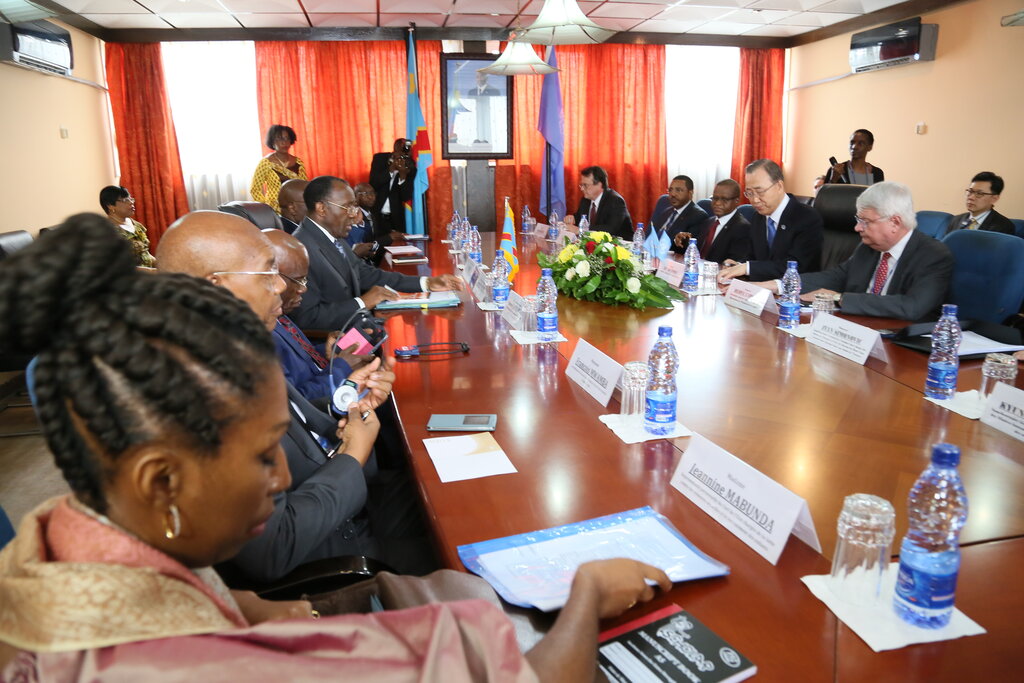
At its heart, diplomacy is about communication. It's the way countries, organizations, and groups talk to each other to manage their relationships without resorting to force. Think of it as a continuous, high-stakes conversation aimed at finding common ground and resolving disagreements peacefully.
Diplomacy
noun
The art and practice of conducting negotiations between representatives of states or other groups.
The main goal is to advance a nation's interests while maintaining peaceful relations. This involves a wide range of activities, from negotiating treaties on trade and climate change to preventing wars and managing international crises. Diplomats are the professionals who carry out this work, acting as their country's eyes, ears, and voice on the world stage.
The core purpose of diplomacy is to build and maintain relationships, solve problems through dialogue, and create a more stable and predictable world.
A Quick Trip Through Time
Diplomacy isn't a new idea. For as long as there have been separate communities, there has been a need for them to communicate. Ancient rulers sent messengers, known as envoys, to other kingdoms to deliver messages, negotiate alliances, and prevent conflicts. These early forms of diplomacy were often temporary, set up only when a specific need arose.
A major shift happened in Europe during the 15th century when Italian city-states began establishing permanent diplomatic missions in each other's territories. This created a more stable and continuous channel for communication. However, the modern system of international relations truly began to take shape with the Peace of Westphalia in 1648, which ended the Thirty Years' War in Europe.
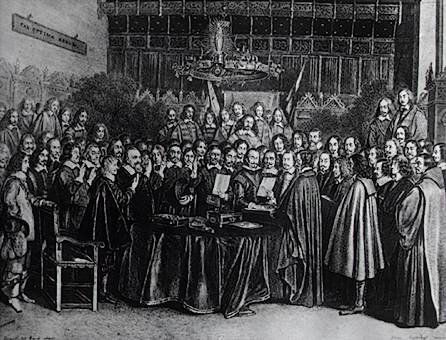
This series of treaties introduced foundational concepts that are still relevant today.
The Peace of Westphalia established three enduring principles that shaped diplomatic practice for over three centuries: state sovereignty, non-interference in domestic affairs, and the balance of power.
From this point on, diplomacy became more formalized. Nations established permanent embassies and a professional class of diplomats emerged. The practice continued to evolve through major events like the Congress of Vienna in 1815 and the creation of international organizations like the League of Nations and, later, the United Nations.
Diplomacy in the Modern World
Today, diplomacy is more complex than ever. In our interconnected world, global challenges like pandemics, terrorism, and economic crises require countries to work together. Diplomats don't just negotiate peace treaties; they also work on agreements that govern everything from international mail to a country's carbon emissions.
The role of a diplomat involves several key functions:
- Representation: Acting as the official representative of their government.
- Negotiation: Engaging in talks to resolve disputes or create agreements.
- Protection: Assisting and protecting their country's citizens abroad.
- Reporting: Observing and reporting on conditions and developments in the host country.
- Promotion: Fostering friendly relations and promoting their nation's economic, cultural, and scientific interests.
While the tools have changed, with digital communication and public diplomacy playing larger roles, the fundamental purpose remains the same: managing international relations through peaceful means. It is the first line of defense against conflict and the primary tool for building a cooperative global community.
Ready to check your understanding of these core concepts?
What is the fundamental purpose of diplomacy?
Which historical event is considered a key turning point that established the foundational concepts for the modern system of international relations?