The Art of Diplomacy
Introduction to Diplomacy
What Is Diplomacy?
At its core, diplomacy is the art and practice of conducting negotiations between representatives of different groups or states. Think of it as a structured conversation to manage relationships, solve problems, and avoid conflict. Instead of shouting over a fence, neighbors agree to sit down and talk through their issues. On a global scale, countries do the same thing.
The main purpose of diplomacy is to manage international relations peacefully. It's how countries pursue their national interests—like security, prosperity, and cultural influence—without resorting to force. Through dialogue and agreement, diplomats work to build alliances, foster trade, and address global challenges like climate change, pandemics, and terrorism.
Diplomacy
noun
The profession, activity, or skill of managing international relations, typically by a country's representatives abroad.
This process isn't just about grand treaties. It’s a continuous effort to maintain communication, understand different perspectives, and find common ground. Without it, the world would be a far more chaotic and dangerous place.
The Diplomat's Toolkit
Diplomacy isn't a single activity but a range of tools used in different situations. A diplomat might use a formal negotiation to hammer out a trade deal one day and have a quiet, informal chat to gauge another country's position the next. These different methods all serve the same ultimate goal.
| Form | Description | Purpose |
|---|---|---|
| Negotiations | Formal, structured discussions between two or more parties. | To reach a binding agreement or treaty. |
| Consultations | Less formal exchanges of views and information. | To understand different perspectives and explore potential solutions without commitment. |
| Back-channel Talks | Secret, unofficial communications. | To discuss sensitive issues or float ideas that are too politically risky for public channels. |
| Summits | High-level meetings between heads of state or government. | To make major decisions, resolve deadlocks, or celebrate significant agreements. |
| Daily Interactions | Routine communications and relationship-building. | To maintain open lines of communication and gather information. |
Each form has its place. Summits generate headlines, but the steady, day-to-day work of diplomats builds the foundation of trust and understanding needed for those big moments to succeed.
People and Places
Diplomacy is carried out by people working in specific places. The key actors are diplomats, and their primary workplaces are embassies and consulates.
A diplomat is a person appointed by a state to conduct diplomacy with one or more other states or international organizations. Their job is multifaceted. They represent their home country's government, negotiate on its behalf, protect the interests of their citizens abroad, and report on conditions and developments in the host country.
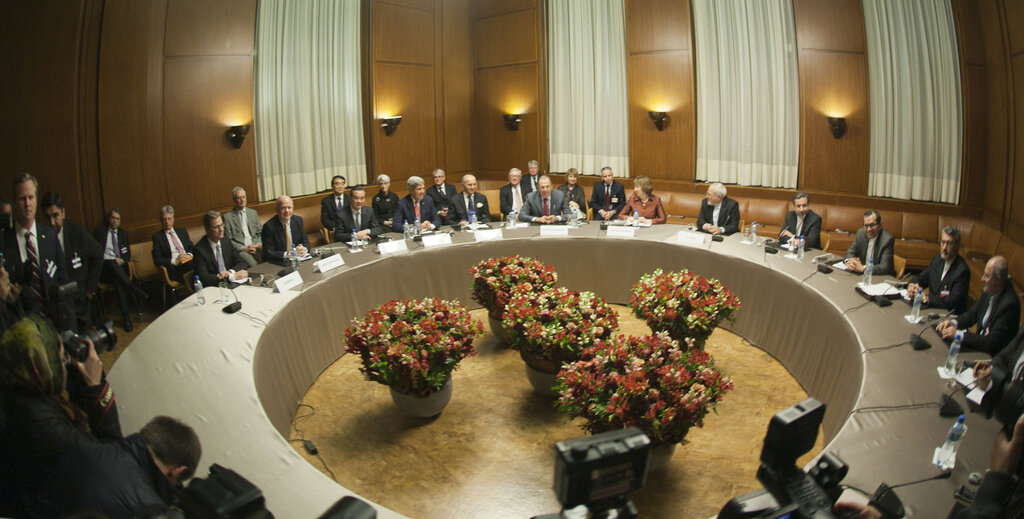
The main hub of diplomatic activity is the embassy. It's the primary mission of one country within another, almost always located in the host country's capital city. It handles the full range of government-to-government relations. The head of an embassy is the ambassador.
Consulates operate in a similar but distinct role. They are found in major cities that are not the capital and focus on more practical matters. A consulate's work involves issuing visas to foreign nationals, providing passport and emergency services to its own citizens, and promoting trade, investment, and cultural ties.
An embassy deals with the host country's government. A consulate deals with the people and businesses.
A Brief History
While modern diplomacy has its roots in the Italian Renaissance, the practice of sending envoys to other lands is ancient. City-states in ancient Greece sent messengers to negotiate peace or alliances. The Roman Empire used envoys to manage its vast territories.
The idea of a permanent diplomatic mission, or embassy, emerged in 15th-century Italy. City-states like Venice and Florence began stationing representatives in each other's courts to gather intelligence and manage relations continuously, not just during crises.
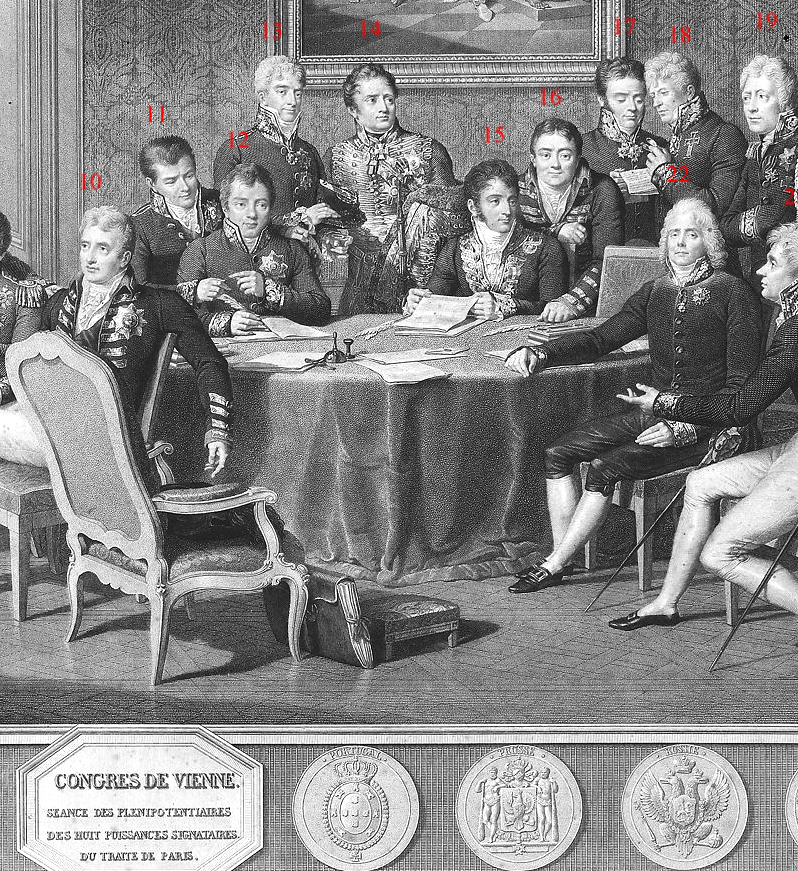
Diplomacy was formalized in Europe during the 19th century. The Congress of Vienna in 1815 established standardized rules for diplomatic ranks and precedence. Over time, these practices spread globally. The 20th century saw the rise of multilateral diplomacy, with the creation of international organizations like the League of Nations and its successor, the United Nations, where countries could debate issues and work together on a global stage.
Ready to test your knowledge?
What is the primary purpose of diplomacy?
What is the key difference between an embassy and a consulate?
Understanding these foundations of what diplomacy is, how it works, and who carries it out is the first step to appreciating its vital role in shaping our world.