The Art of Deep Listening
Introduction to Deep Listening
Beyond Hearing Words
We spend a lot of our lives listening, but how much do we truly hear? Most of the time, we're just waiting for our turn to speak. We listen to reply, not to understand. Deep listening asks for something more. It's the practice of being fully present with another person, seeking to understand their world from their perspective.
This isn't just about catching every word. It's about hearing the emotions, the intentions, and the unspoken meanings behind them. When you listen deeply, you're not just processing information; you're connecting with another human being.
Deep vs Active Listening
You might have heard of active listening. It's a great skill that involves paying attention, showing you're engaged, and reflecting back what you hear to confirm your understanding. Think of it as the mechanics of good conversation. You might nod, make eye contact, and say things like, “So what I’m hearing is…”
Deep listening includes all of that but goes a step further. It moves from comprehension to compassion. The goal isn't just to validate information, but to connect with the speaker's experience. It’s about listening with your full awareness, without judgment or a prepared response.
| Feature | Active Listening | Deep Listening |
|---|---|---|
| Goal | To understand and confirm information. | To understand and connect with the speaker's experience. |
| Focus | On the words being said. | On the words, emotions, and non-verbal cues. |
| Mindset | Engaged and responsive. | Present, empathetic, and non-judgmental. |
| Outcome | Clear communication. | Trust, connection, and mutual understanding. |
The Benefits of Listening Deeply
Practicing deep listening can transform your relationships, both at work and at home. When people feel truly heard, they feel valued and respected. This builds a strong foundation of trust, making collaboration easier and conflicts easier to resolve.
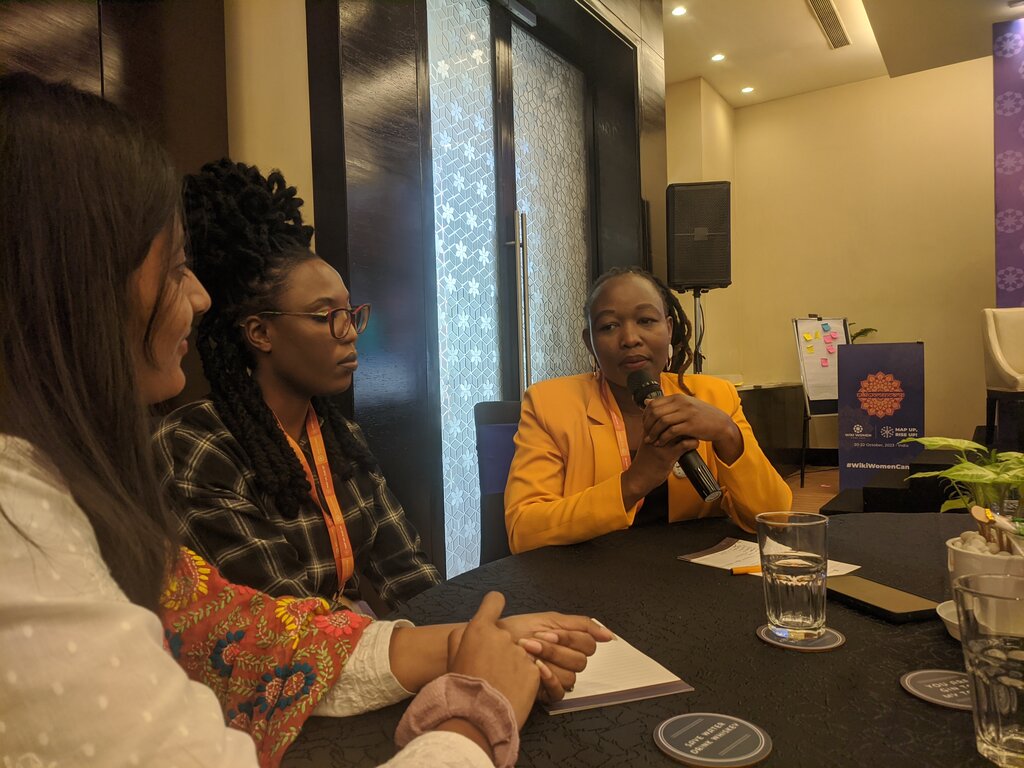
In your personal life, it can bring you closer to friends and family. It creates a space where people feel safe to be vulnerable and share what’s really on their minds. This fosters much deeper, more meaningful connections than surface-level conversations ever could.
By listening with empathy, you're not just exchanging information. You're showing someone that their feelings and perspective matter.
What's Ahead
Understanding the concept is the first step. Throughout this course, we'll move from theory to practice. We will explore the core components of deep listening, learn specific techniques to quiet your own inner monologue, and practice how to apply these skills in everyday conversations. The goal is to equip you with the tools to become a more present, empathetic, and effective communicator.