The Art of Crafting
Introduction to Crafting
More Than a Hobby
Crafting is the art of making things by hand with skill. It’s a tradition as old as humanity itself, a fundamental way we interact with the world around us. From the earliest stone tools to the intricate textiles of ancient civilizations, people have always used their hands to shape materials into useful and beautiful objects.
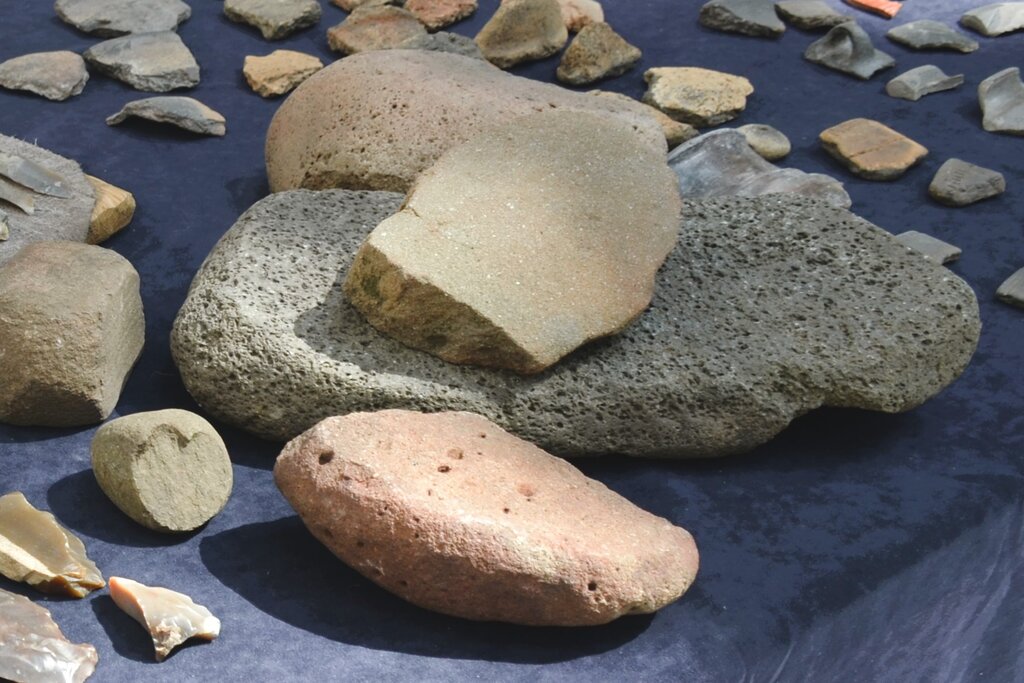
At its heart, craft is about a direct connection between the maker, their tools, and their materials. It’s not just about following instructions to assemble a kit. It’s about understanding a material’s properties—the grain of wood, the plasticity of clay, the weave of fabric—and transforming it through practiced skill. This process turns a raw substance into something with purpose and personality.
A World of Disciplines
The world of craft is vast and diverse, with countless disciplines, each with its own unique materials and techniques.
Woodworking involves shaping, carving, and joining wood to create furniture, sculptures, and functional objects. Pottery centers on molding clay and firing it in a kiln to make vessels and art. Textile crafts, like weaving and knitting, turn fibers into fabric and clothing. Leatherworking uses animal hides to craft durable goods like bags and shoes, while metalworking shapes metals into jewelry, tools, and decorative pieces.
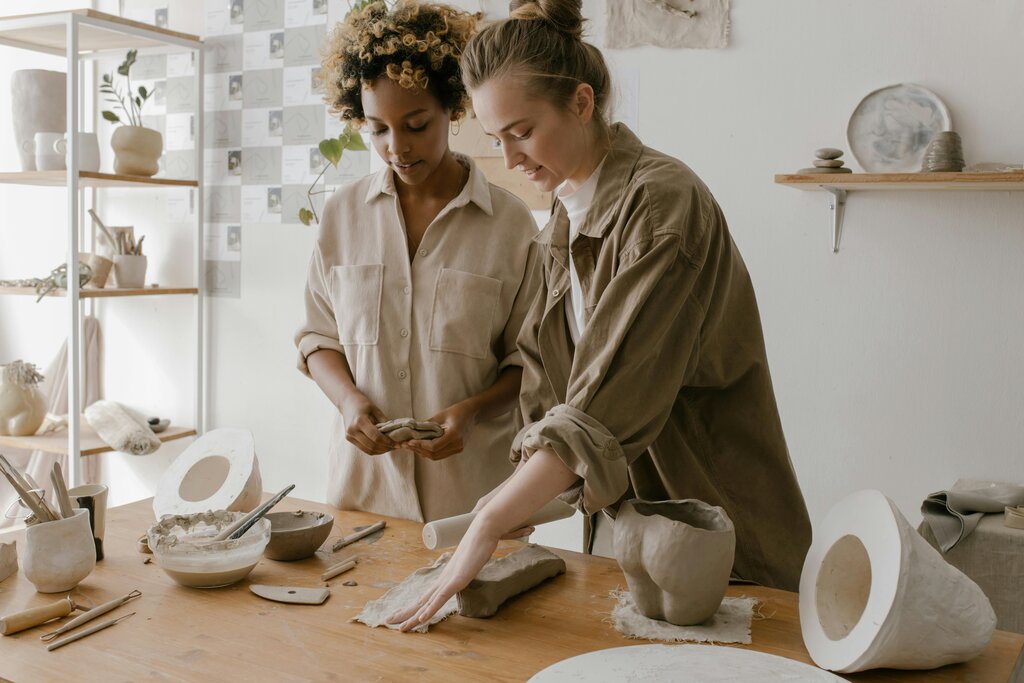
Each discipline offers a different creative path. Some people are drawn to the solid, satisfying feel of shaping wood. Others love the messy, hands-on process of working with clay. The key is finding a medium that speaks to you. All these fields share a common thread: the deliberate, thoughtful application of skill to create something new.
The Craftsperson's Mindset
Beyond any specific material or tool, crafting is defined by a particular mindset. It’s about valuing quality and paying close attention to detail. A craftsperson doesn't rush. They take the time to get the joints right, the stitches even, and the finish smooth.
This deliberate pace is not about slowness for its own sake. It’s about respect for the material and the process. Every step builds on the last, and small details accumulate to create a final piece that is strong, functional, and pleasing to the eye. This is the difference between an object that is simply made and one that is well-crafted.
The skilled craftsperson knows that materials have their own intelligence.
Patience is essential. Mistakes will happen. Wood will split, pots will crack, and seams will unravel. A true craftsperson sees these moments not as failures, but as learning opportunities. They understand that mastery is a journey, not a destination, built through practice and perseverance.
Creativity in the Making
Craft is also a deeply creative act. While it begins with learning foundational techniques, it flourishes when you start to add your own ideas and personal touches. The goal isn't just to replicate something perfectly, but to innovate and express yourself through your work.
This creative process involves experimentation. What happens if you use a different type of wood? Or a new glaze on your pottery? This curiosity is what drives the craft forward, blending traditional methods with new ideas.
By focusing on the creative process rather than the tools, educators can help students practice skills they can take with them the rest of their lives.
Developing a creative mindset means embracing the entire process, from the initial spark of an idea to the final touches. It’s about enjoying the journey of making, finding satisfaction in solving problems, and taking pride in creating something that is uniquely yours.
Ready to check your understanding of these core ideas?
According to the text, what is the core principle of crafting?
The craft of turning fibers into fabric through methods like weaving and knitting falls under which category?
Understanding these fundamentals—the scope of craft, the importance of quality, and the creative mindset—prepares you to explore any discipline with a solid foundation.