The Art of Communication
Introduction to Communication
What is Communication?
Communication is the act of sharing information from one person, group, or place to another. Think of it as a bridge. It connects your thoughts, ideas, and feelings with someone else's. This exchange can be as simple as a wave or as complex as a detailed scientific paper. At its core, communication is about making a connection and creating shared understanding.
Communication
noun
The imparting or exchanging of information or news.
It’s a fundamental human skill. We use it to build relationships, share experiences, collaborate on projects, and navigate our daily lives. Without it, learning, working together, and forming communities would be impossible.
Why It Matters
Effective communication is critical in nearly every aspect of life. In our personal lives, it's the foundation of strong relationships. It helps us express our needs, understand others, and resolve conflicts. Sharing a story with a friend or discussing future plans with a partner are both acts of communication that strengthen bonds.
Professionally, clear communication is just as vital. It drives productivity and innovation. Whether you're explaining an idea to your team, writing an email to a client, or presenting a project update, your ability to communicate clearly can determine success. Misunderstandings can lead to mistakes and strained relationships, while clarity leads to alignment and progress.
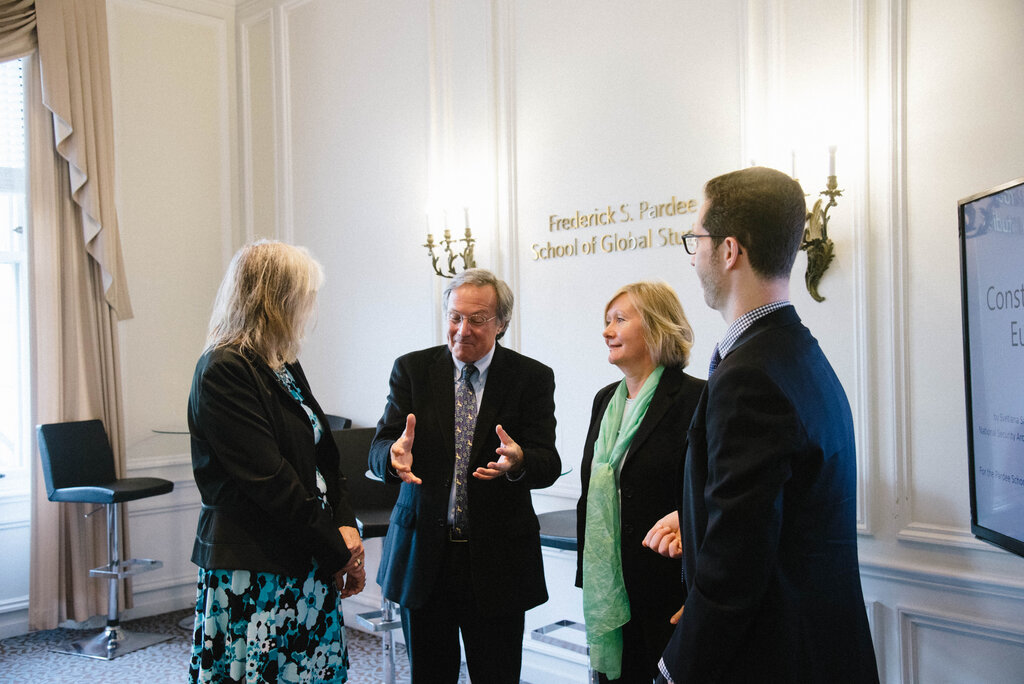
Good communication isn't just about talking—it's about connecting with others in a way that is understood.
The Four Main Forms
Communication isn't a single activity; it takes several different forms. Understanding these types helps us choose the best way to share our message. The four main forms are verbal, non-verbal, written, and visual.
Verbal Communication is the use of spoken words to share a message. This happens in face-to-face conversations, during phone calls, or when giving a presentation. The words we choose are important, but so is our tone of voice, volume, and pace. How we say something can often be as meaningful as what we say.
Non-Verbal Communication includes all the messages we send without words. It’s our body language, facial expressions, gestures, and eye contact. A firm handshake can convey confidence, a smile can show friendliness, and crossed arms might signal defensiveness. Often, these non-verbal cues are unconscious, but they have a powerful impact on how our message is received.
Sometimes what we don't say speaks the loudest.
Written Communication involves any message that is shared through the written word. This includes emails, text messages, reports, books, and social media posts. The great advantage of written communication is that it provides a record of the message. However, because it lacks the immediate feedback of a conversation and non-verbal cues, clarity is extremely important to avoid misunderstandings.
Visual Communication is the use of images, charts, graphs, and other visual aids to convey information. A complex idea can often be simplified and made more understandable with a good visual. For example, a map is much better at showing you how to get somewhere than a long list of written directions. Visuals grab our attention and can make information more memorable.
These four forms of communication often work together. A public speaker uses verbal communication (their words), non-verbal communication (their gestures), and visual communication (their presentation slides) to deliver a powerful message. Understanding each form helps you become a more versatile and effective communicator.
What is the primary goal of communication?
A firm handshake, a smile, and eye contact are all examples of which form of communication?
Grasping these fundamentals is the first step toward mastering the art of communication in all its forms.