The Art of Coffee Cupping
Introduction to Coffee Cupping
What is Coffee Cupping?
Think of coffee cupping as the professional version of a wine tasting. It's a standardized process used across the coffee industry to taste, evaluate, and score coffee beans. The goal is to create a controlled environment where every coffee is assessed on a level playing field, allowing its unique characteristics to shine through.
Sharing a common language to objectively assess coffee quality and sensory attributes is essential to the future of specialty coffee.
Why is this so important? Cupping helps professionals make crucial decisions. A green coffee buyer cups samples from different farms to decide which beans to purchase. A roaster cups different batches to ensure consistency and perfect their roasting profiles. It’s the primary tool for quality control, from the farm all the way to the café.
By following a consistent method, a producer in Colombia can understand the feedback from a roaster in Japan. This shared language removes subjectivity and allows for a clear, objective discussion about a coffee's quality.
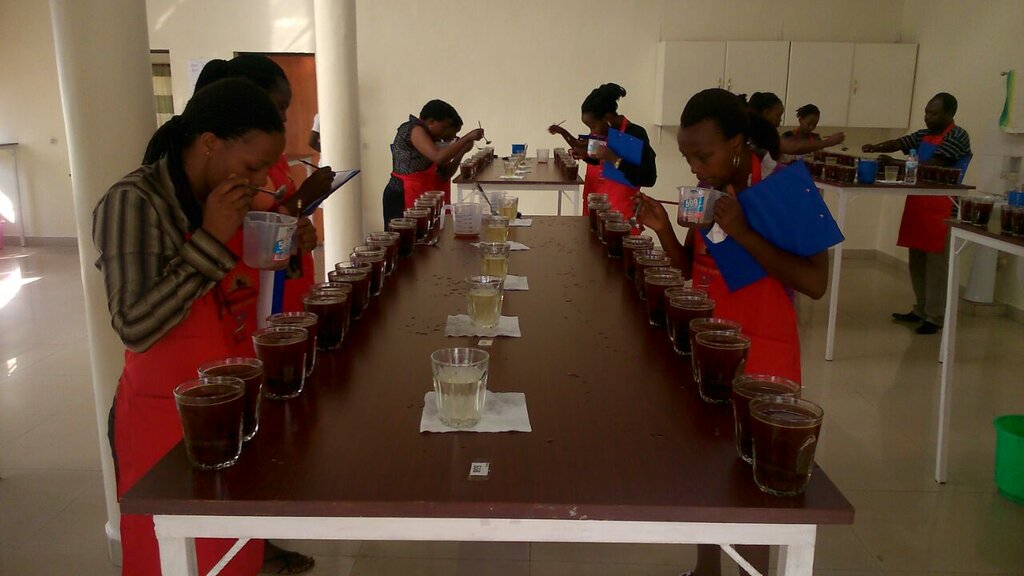
The Cupping Process
A formal cupping follows a series of precise steps to ensure every sample is evaluated fairly. The process can be broken down into two main phases: preparation and evaluation.
Preparation is all about consistency. Every variable, from the roast level to the water temperature, is carefully controlled.
First, the coffee samples are roasted. The roast is typically very light to avoid introducing strong roast flavors that could mask the bean's inherent qualities. The beans must be roasted within 24 hours of the cupping and allowed to rest for at least eight hours.
For the setup, each coffee is ground and placed in identical cups or glasses. The ratio of coffee to water is precisely measured. Tasters use special deep-bowled spoons designed for the task.
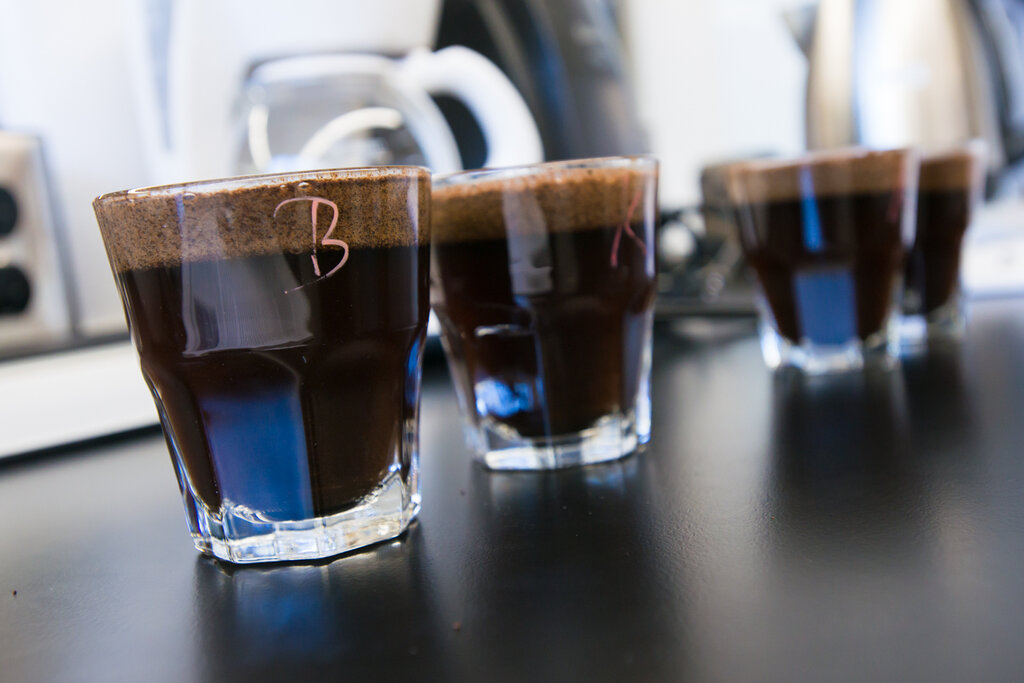
The evaluation begins with smelling the dry coffee grounds to assess their fragrance. Then, hot water (just off the boil) is poured over the grounds, and a crust forms on top. After a few minutes, tasters “break the crust” by pushing the grounds aside with their spoon and deeply inhaling the released aroma.
After clearing away any remaining grounds from the surface, the tasting starts. Tasters take a spoonful of coffee and slurp it loudly. This isn't just for show; the slurp sprays the coffee across the entire palate, engaging all the taste buds and helping to release volatile aromatic compounds.
The SCA Cupping Protocol
To standardize this process globally, the industry relies on the Specialty Coffee Association (SCA) cupping protocol. This system provides a unified set of rules and a scoring sheet that allows tasters anywhere in the world to evaluate coffee using the same criteria.
The SCA protocol is the framework that enables a global conversation about coffee quality.
The protocol specifies everything: the ideal coffee-to-water ratio, the grind size, the water temperature, and the brewing time. It also provides a standard form for scoring. On this form, tasters rate the coffee on a scale across several key attributes, including fragrance/aroma, flavor, aftertaste, acidity, body, and balance.
Each attribute is scored, and the scores are tallied up to produce a final score out of 100. Coffees that score 80 points or higher are considered “specialty grade.” This scoring system is what separates everyday coffee from the truly exceptional lots that end up in specialty cafes.
What is the primary purpose of the standardized process known as coffee cupping?
According to the Specialty Coffee Association (SCA) protocol, what score must a coffee achieve to be considered 'specialty grade'?
Understanding the basics of cupping gives you a new appreciation for the journey of your daily coffee, from the careful evaluation by professionals to the final brew in your cup.