The Art of Chocolate Making
Cacao Cultivation
From Tree to Bean
Chocolate's journey begins with a tree: Theobroma cacao, which translates to "food of the gods." This isn't just a plant you can grow in your backyard. Cacao trees are picky. They thrive only in a narrow band around the equator, often called the "chocolate belt," which stretches 20 degrees north and south.
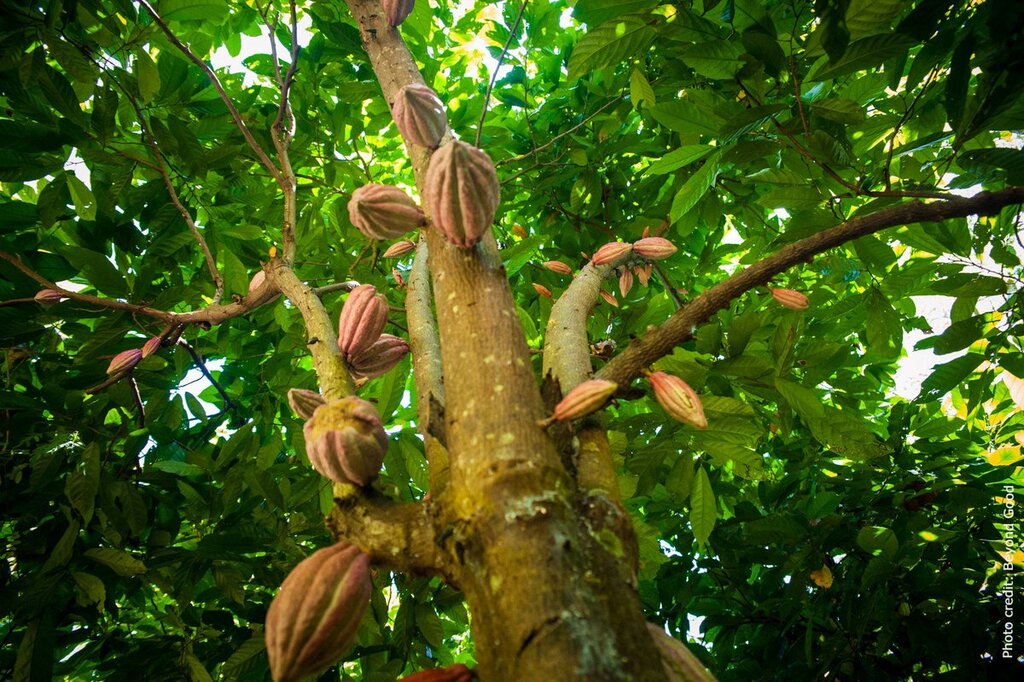
These regions provide the perfect conditions: consistent temperatures, high humidity, and plenty of rain. Cacao trees also prefer rich, well-drained soil and, surprisingly, shade. They often grow under the canopy of taller trees like banana or rubber, which protect them from direct sun and strong winds. The pods themselves grow in an unusual way, sprouting directly from the trunk and main branches.
The Harvest
Harvesting cacao is not a job for machines. The pods don't ripen all at once, so farmers must carefully select mature ones by hand. Ripeness is judged by color, which can range from green to yellow, orange, or deep red depending on the variety. Workers use sharp blades or machetes to carefully cut the pods from the tree, taking care not to damage the delicate flower cushions that will produce future fruit.
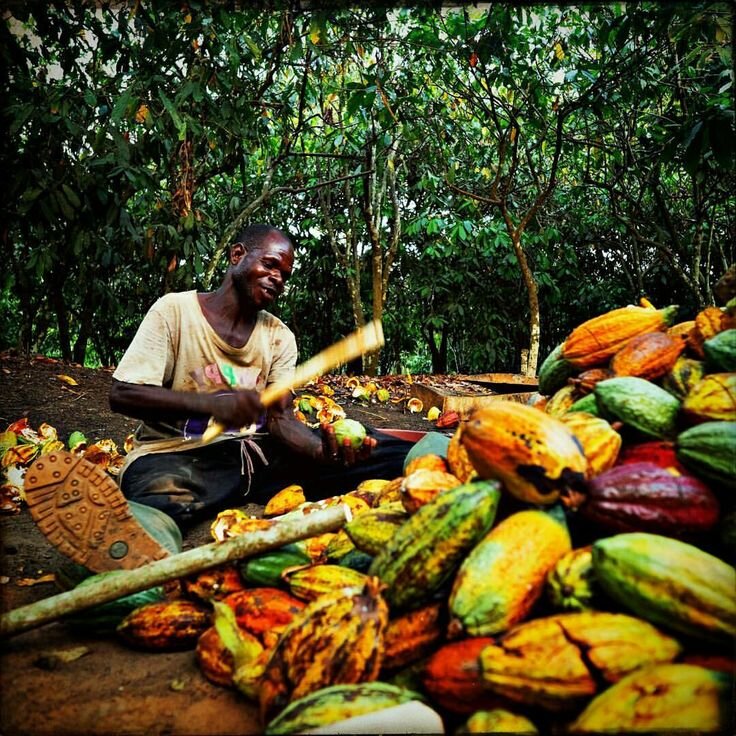
Once harvested, the pods are opened to reveal what's inside: about 20 to 50 seeds, or beans, covered in a sweet, white, sticky pulp called baba. The beans and their pulp are scooped out, while the thick husk is usually left behind on the plantation floor to decompose and return nutrients to the soil.
Developing Flavor
Raw cacao beans taste nothing like chocolate. They are bitter and astringent. The transformation begins with fermentation, a critical step that develops the precursors to the rich, complex flavors we associate with chocolate.
This is the first stage in developing the flavour of the chocolate, and part of the reason why a farmer can have a direct impact on the quality of the finished chocolate.
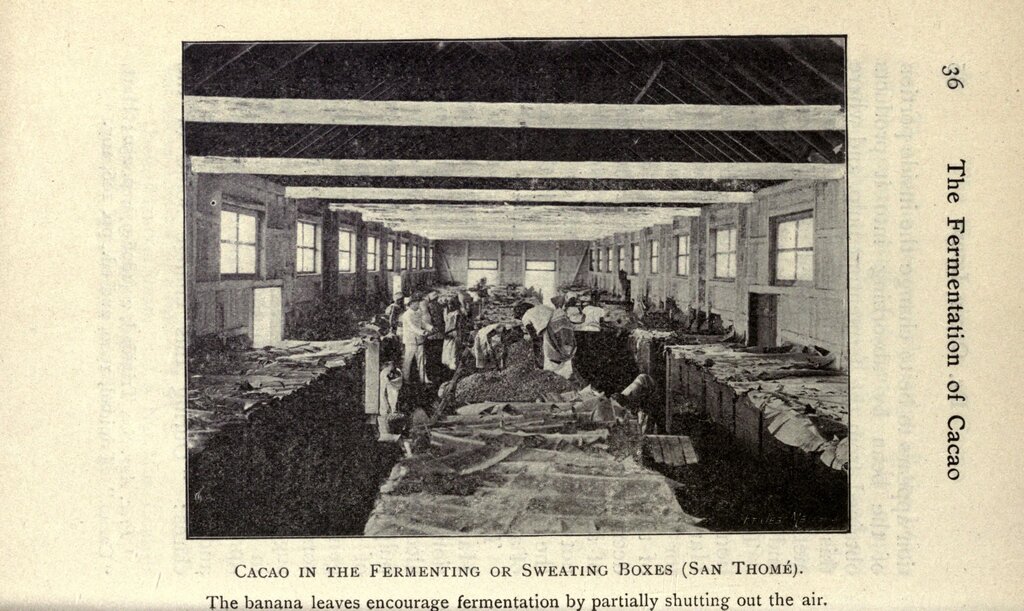
Farmers pile the beans and pulp into large wooden boxes or onto heaps covered with banana leaves. For the next five to seven days, a complex microbial dance takes place. First, yeasts convert the sugars in the pulp into alcohol. Then, bacteria convert the alcohol into acetic acid. This process generates a significant amount of heat, which kills the germ within the bean and triggers crucial biochemical changes inside, forming the compounds that will later become chocolatey, fruity, or floral notes.
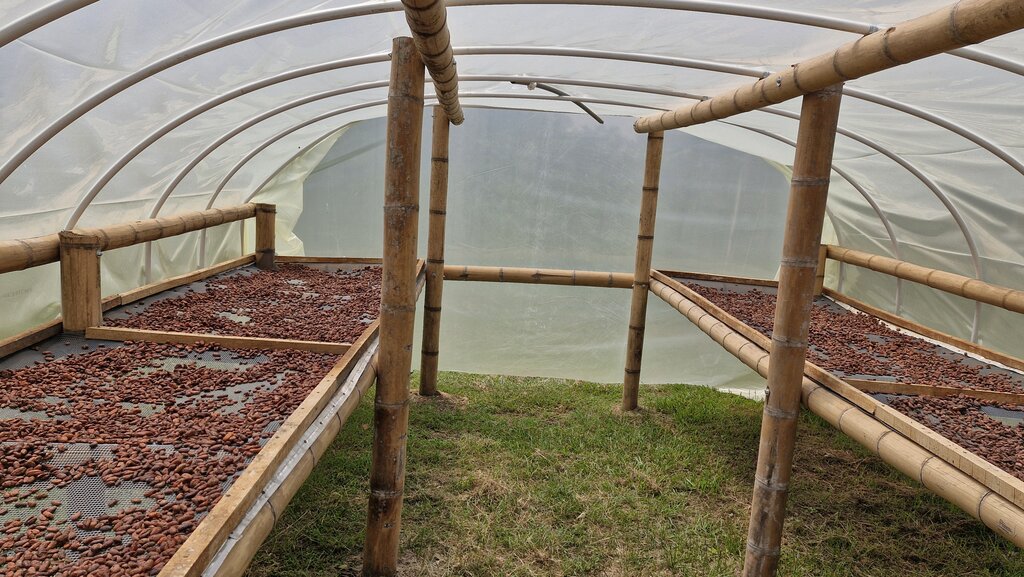
After fermentation, the beans are about 60% water and must be dried to prevent mold during storage and transport. The goal is to reduce the moisture content to around 7%. The most common method is sun-drying. Farmers spread the beans on large mats or raised bamboo tables, turning them regularly for even drying. This can take a week or more, depending on the weather. Proper drying locks in the flavors developed during fermentation and ensures the beans are stable for their journey to the chocolatier.
Now, let's test your knowledge on how chocolate gets its start.
What is the primary purpose of the fermentation process in chocolate production?
Which of the following best describes the ideal growing conditions for Theobroma cacao trees?
These initial steps of cultivation, harvesting, fermentation, and drying are the foundation upon which all chocolate is built. The care taken by farmers at this early stage has a profound impact on the final bar.