The Art of Chinese Porcelain
Origins of Chinese Porcelain
The Birth of Porcelain
While pottery has been made in China for thousands of years, true porcelain didn't appear until the Tang Dynasty. What made it different? The secret was in the materials and the fire. Potters began using a special white clay called kaolin, mixed with a feldspar-rich rock called petuntse. When fired at extremely high temperatures, over C (F), these ingredients fused together to create a material that was strong, thin, and translucent.
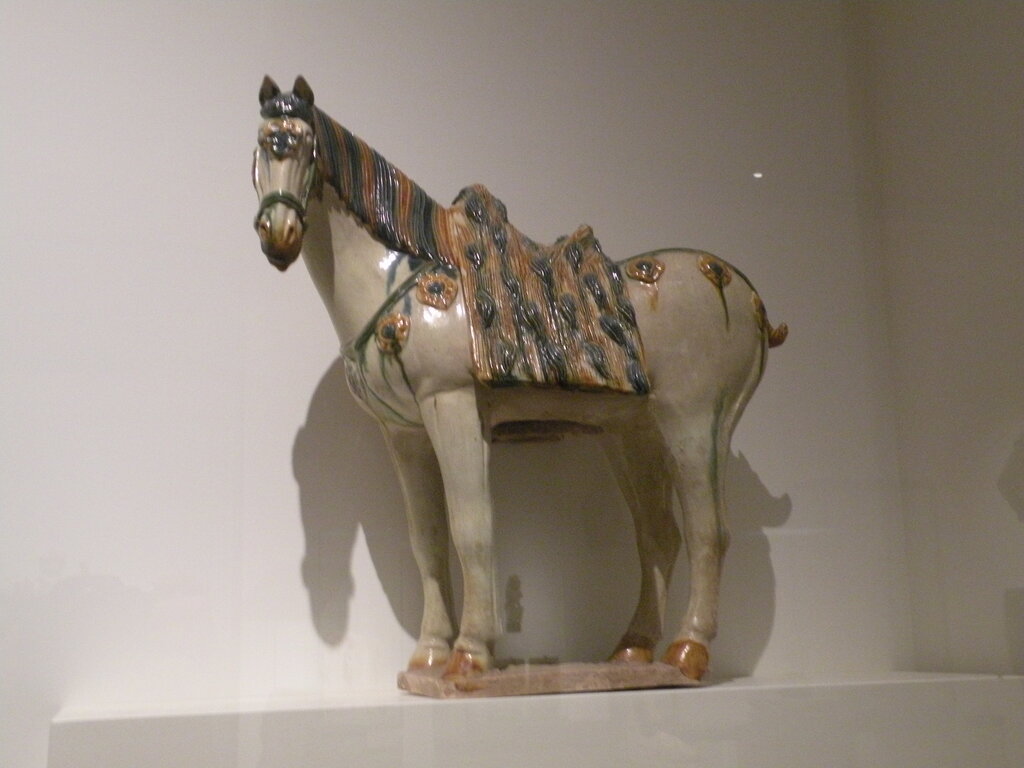
Early porcelain was often simple, but Tang artisans were masters of glazing. They developed the famous sancai or "three-color" glazes. While often applied to lower-fired earthenware, this technique of using green, amber, and cream glazes demonstrated a growing sophistication in ceramic chemistry and artistry.
A Golden Age of Refinement
The Song Dynasty is often considered the golden age of Chinese ceramics. While the Tang era was bold and colorful, Song aesthetics favored subtlety, simplicity, and natural forms. Instead of elaborate paintings, potters focused on perfecting elegant shapes and monochrome glazes. This minimalist approach was highly valued by the era's scholars and imperial court.
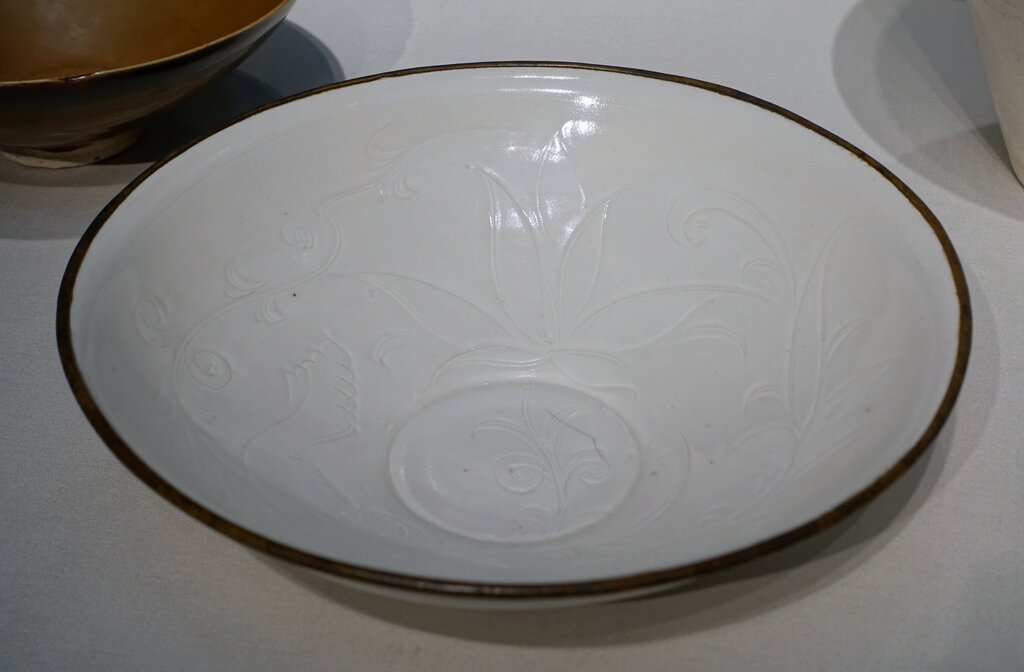
Several major kiln centers rose to prominence, each with a distinct style. The Ding kilns in northern China, for instance, were famous for producing delicate, white porcelain. These pieces often had a slightly creamy or ivory tone and were sometimes decorated with finely incised or carved patterns of flowers or animals, visible just beneath the clear glaze.
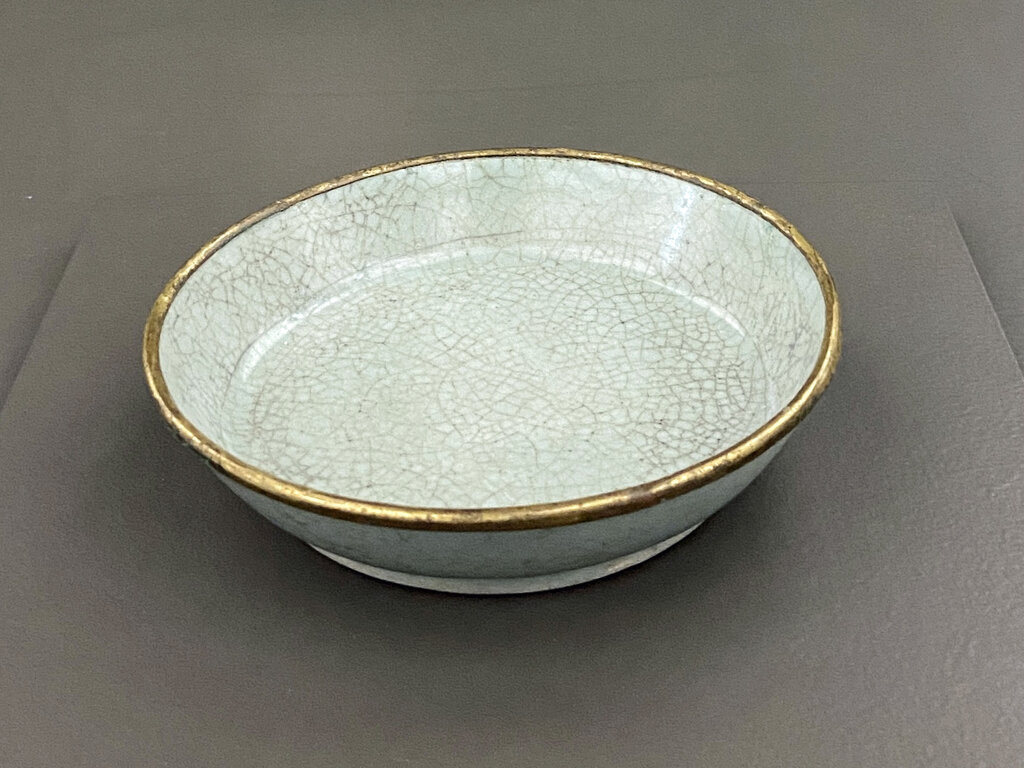
Perhaps the most revered ceramics of the period came from the Ru kilns. Produced for a very short time exclusively for the imperial court, Ru ware is known for its exquisite celadon glaze. This soft, blue-green color was meant to resemble jade, a stone highly prized in Chinese culture. The glaze also features a fine, subtle crackle pattern, which was intentionally created during the cooling process and admired for its natural beauty.
From the Earth to the Table
The advances of the Tang and Song dynasties were only possible because of improvements in technology. Potters developed massive "dragon kilns," which were long, sloping tunnels built into hillsides. This design allowed for a steady flow of heat and could reach the high temperatures necessary to vitrify kaolin clay into porcelain. Different chambers within the kiln reached slightly different temperatures, allowing for a variety of glaze effects in a single firing.
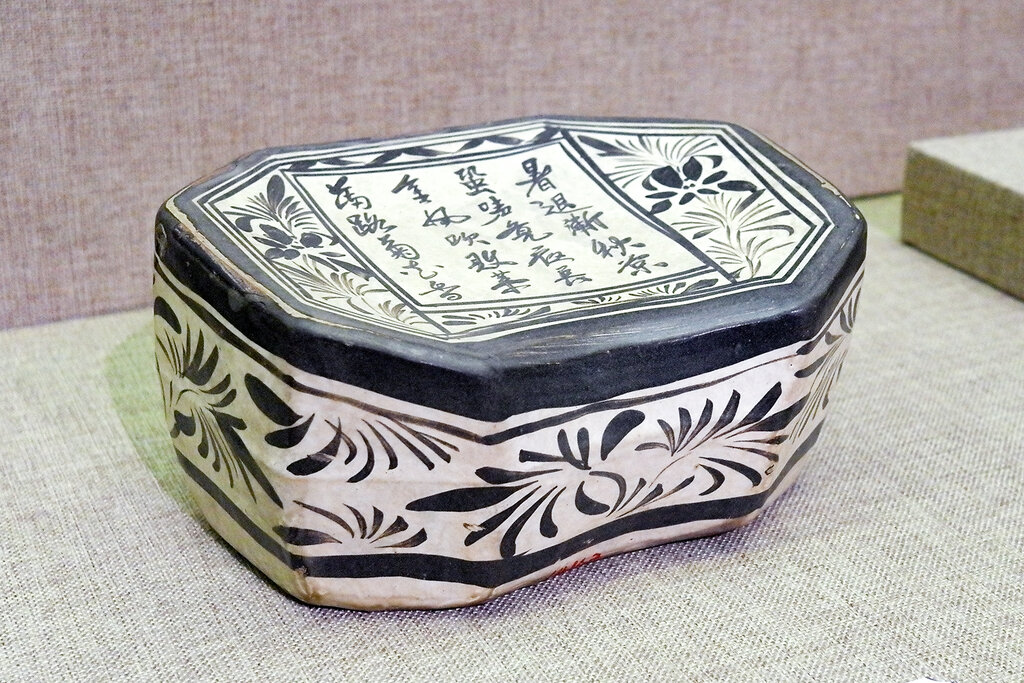
During this era, porcelain became integrated into daily life, especially for the elite. It was used in the increasingly popular ritual of tea drinking, where the subtle color of a celadon bowl could complement the tea. Scholars used porcelain items on their desks, such as delicate brush washers for cleaning their calligraphy tools. Even functional items, like pillows, were crafted from porcelain, valued for their coolness in warm weather.
The porcelain of the Song Dynasty was more than just a useful object. It was a symbol of refined taste and a deep appreciation for craftsmanship, form, and the beauty found in simplicity. This foundation set the stage for centuries of ceramic innovation to come.
What key ingredient, when fired at temperatures over , is essential for creating the strong, translucent body of true porcelain?
An art historian describes a ceramic piece as having a bold, colorful style, featuring prominent green, amber, and cream glazes. This piece is most characteristic of which dynasty?
You've now seen how Chinese porcelain developed from its earliest days into a refined art form.