The Art of Card Stacking
Introduction to Card Stacking
The Art of the Stack
Card stacking transforms a simple deck of playing cards into an exercise in patience, physics, and creativity. It's an art form where anyone can participate, but few master. The goal is simple: build the tallest, most elaborate structure possible without any glue, tape, or tricks. Just gravity and balance.
The most famous practitioner is Bryan Berg, an architect who has broken his own world record for the tallest card structure multiple times. He's built replicas of castles and skyscrapers, proving that with the right technique, the humble playing card is a legitimate building material. His work showcases the incredible potential locked inside a 52-card deck.
The Building Blocks
At the heart of every stable card tower is a simple, strong shape: the three-card pyramid, often called a cell. This structure is the foundation of almost everything you'll build. Two cards lean against each other to form a triangular prism, and a third card can be placed on top to bridge it with another cell. This shape is powerful because it distributes the weight of the cards above it down and out to its base.
The leaning cards are in compression, pushing against each other. This creates a stable base that can support more weight than a single card standing on its edge.
The secret to large structures is repeating this basic cell. By placing many of these three-card cells side-by-side, you can create a sturdy first level. You then lay cards flat across the tops of these cells, creating a new, level surface to build the next layer of pyramids. This creates a grid-like structure, similar to how honeycombs are built, that is surprisingly strong.
Tools of the Trade
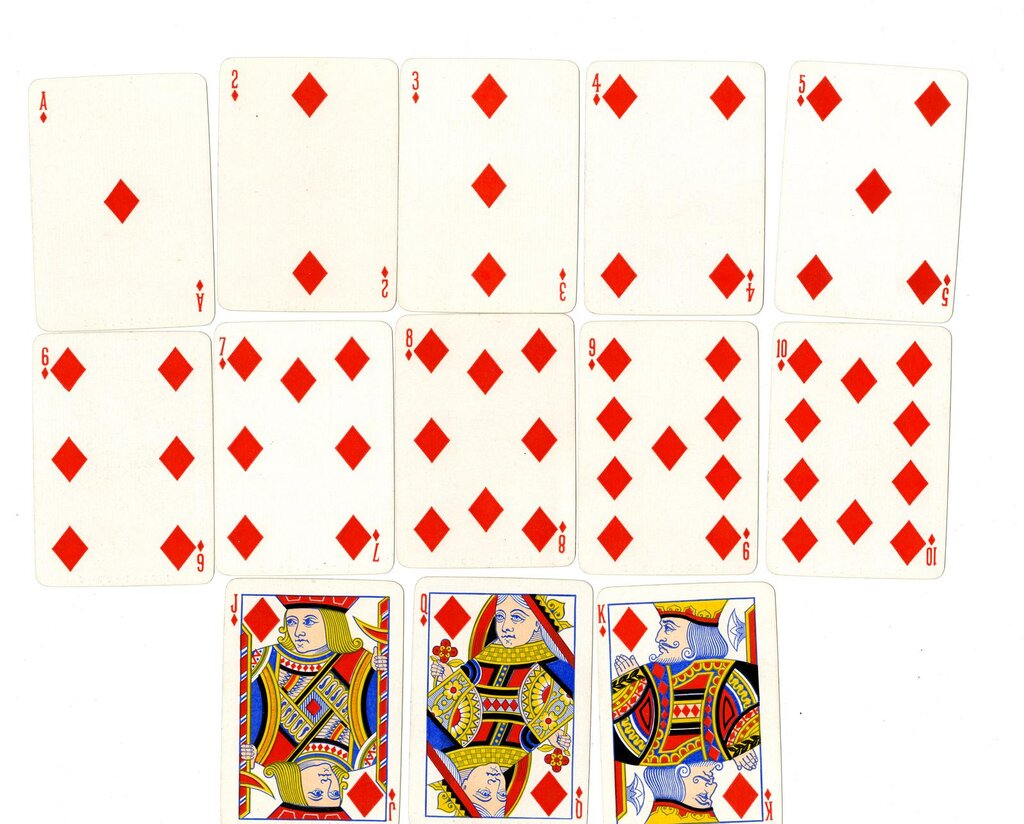
You don't need much to get started, but the quality of your materials matters. The most important tool is the deck of cards itself. Brand new cards are often best. They are flat, crisp, and have a slightly rough surface that provides more friction than old, worn-out cards. The tiny, almost invisible texture on a new card helps the edges grip each other.
The surface you build on is just as crucial. You need a flat, stable area that won't wobble. A sturdy table or a hard floor works well. Avoid smooth, glossy surfaces like glass, as the cards will slide too easily. A tablecloth or a felt surface can provide some helpful friction, but make sure it's completely flat and won't shift.
Patience is your most important, non-physical tool. Bumps, breezes from a vent, or a shaky hand can bring a tower down in an instant. Steady, deliberate movements are key.
Time to test what you've learned about the fundamentals of card stacking.
What is the fundamental building block of most large card structures?
Why are new, crisp playing cards recommended for building?
With these basics in mind, you have everything you need to start building. Grab a deck of cards, find a steady surface, and see what you can create.