The Art of Bonsai
Introduction to Bonsai
The Art in the Tree
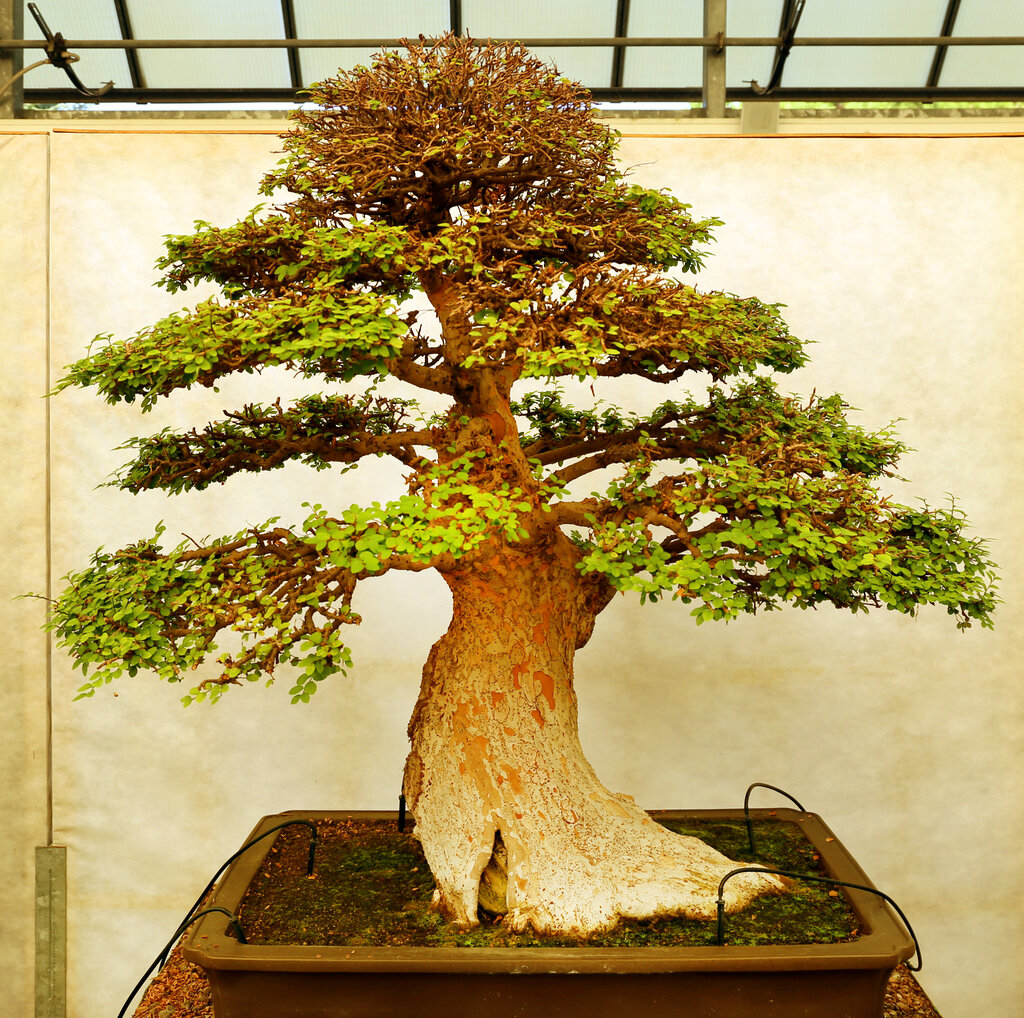
Bonsai is more than just a small tree in a pot. It's a living art form, a collaboration between a person and a plant that can span decades or even centuries. The goal isn't simply to keep a tree small, but to capture the essence of a full-grown, weathered tree as you might find it in nature. It's a miniature landscape and a meditation on time, all in one.
Bonsai
noun
A Japanese art form using cultivation techniques to produce small trees in containers that mimic the shape and scale of full-size trees.
Each tree tells a story of struggle and survival. A twisted trunk might suggest a life spent battling harsh winds on a mountainside. Sparse foliage could evoke the image of a tree clinging to a rocky cliff. Through careful guidance, the artist helps the tree express this character.
From China to Japan
Though we associate bonsai with Japan, the practice began in China over a thousand years ago. The original art was called penjing, which involved creating entire miniature landscapes in a pot. These could include trees, rocks, water features, and small figurines to create a complete scene.
Tray landscape
Around the 12th century, Buddhist monks brought the practice from China to Japan. The Japanese, deeply influenced by Zen Buddhism, began to refine the art. They stripped it down to its essentials, often focusing on a single tree in a carefully chosen container. The goal shifted from recreating a landscape to capturing the spirit of nature itself.
This new approach focused on minimalism, asymmetry, and finding beauty in imperfection.
A Philosophical Practice
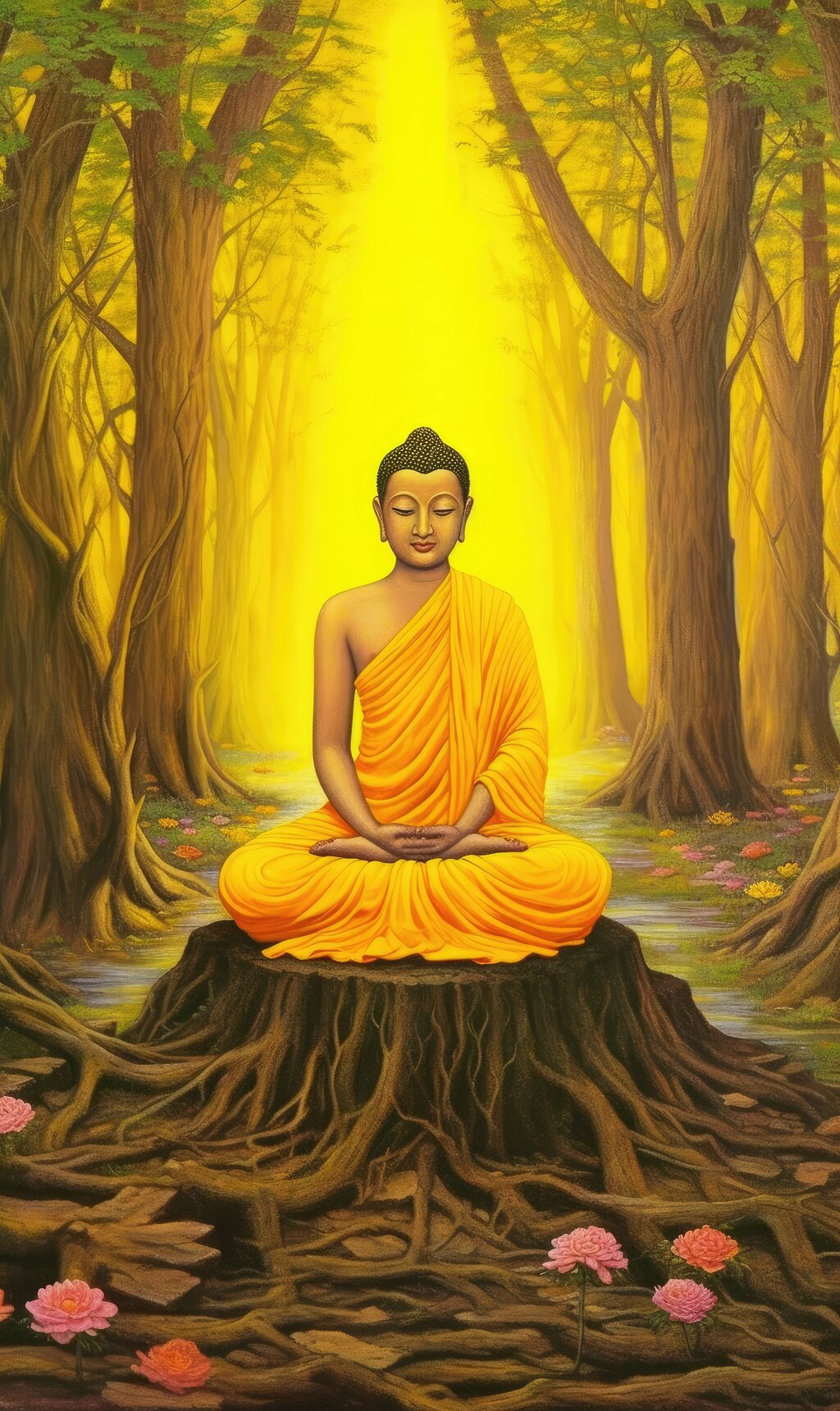
Bonsai is deeply rooted in philosophical ideas, particularly from Zen Buddhism. It's not a hobby you can rush. It's a slow, deliberate practice that teaches patience, mindfulness, and a deep appreciation for the natural world.
The artist must learn to think in seasons and years, not days and weeks. This long-term perspective fosters a connection between the caretaker and the tree. You are not simply its owner, but its partner, guiding its growth while respecting its natural tendencies.
Two key Japanese aesthetic concepts are central to understanding bonsai:
-
Wabi-sabi (侘寂): This is the appreciation of beauty that is imperfect, impermanent, and incomplete. In bonsai, this is seen in the love for gnarled trunks, deadwood, and asymmetrical forms. A perfectly symmetrical tree looks artificial; an imperfect one has character and history.
-
Shibui (渋い): This refers to a simple, subtle, and unobtrusive beauty. A great bonsai doesn't scream for attention. It has a quiet grace and a balanced feel that is beautiful without being flashy. The tree, pot, and stand should all work together in quiet harmony.
The Elements of Design
While there are many specific styles, most bonsai adhere to a few core aesthetic principles that help create the illusion of an old, majestic tree.
These aren't strict rules but guiding principles. The real art lies in applying them to bring out the unique character of each individual tree. Understanding this foundation of history, philosophy, and design is the first step toward appreciating the depth and beauty of bonsai.
Ready to test your knowledge?
What is the primary artistic goal of bonsai?
The art of creating miniature landscapes in a pot, which predates Japanese bonsai, is known as...
With these core concepts in mind, you're ready to look at bonsai not just as plants, but as stories told through living sculpture.