The Art of Bonsai
Introduction to Bonsai
The Art of a Tiny Tree
Bonsai is the art of growing and shaping miniature trees in containers. More than just a houseplant, a bonsai is a living sculpture, a carefully crafted illusion of an ancient tree in nature. The practice combines horticulture with artistry, requiring patience, care, and a keen eye for natural beauty.
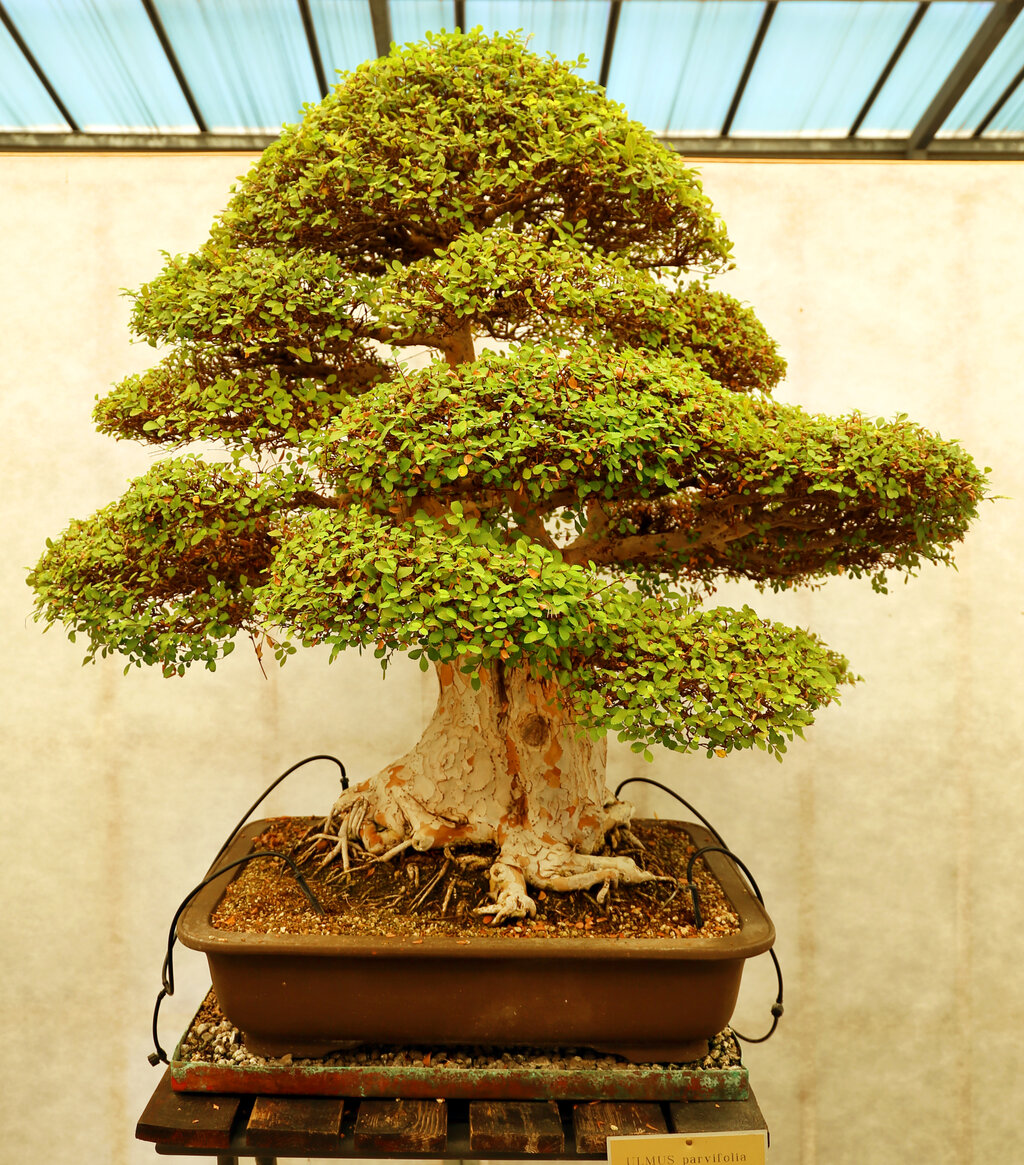
The word itself gives a hint to its core idea.
tray planting
It's about creating a complete, miniature landscape in a shallow pot. This art form isn't about stunting a tree's growth but guiding it, shaping it over years to evoke the spirit of a full-sized counterpart.
From China to the World
Though strongly associated with Japan, the art of growing miniature trees began in China over a thousand years ago. The practice, known as penjing (盆景), involved creating entire landscapes in a pot, complete with miniature trees, rocks, and water features.
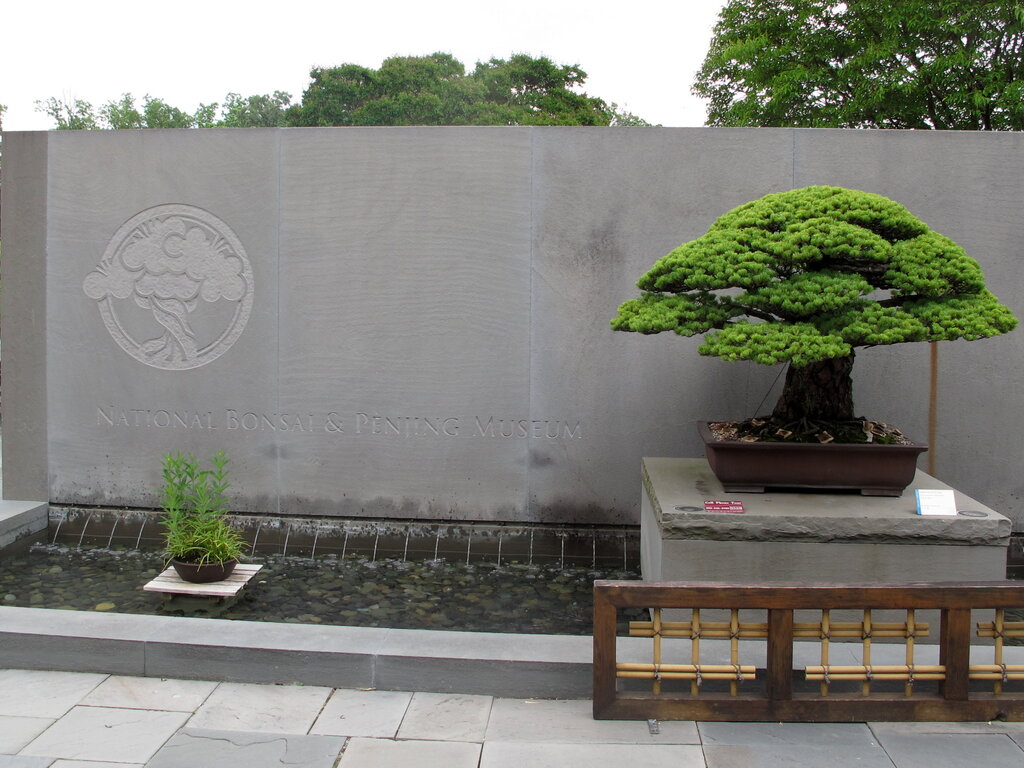
Zen Buddhist monks brought the practice to Japan, where it was refined and simplified. Japanese artists focused more on the single tree, developing a distinct aesthetic centered on minimalism, balance, and the appreciation of natural forms. Bonsai became a symbol of harmony between humanity, nature, and the soul.
Creating the Illusion
The goal of bonsai is to create a believable miniature of a tree found in nature. This illusion relies on a few key aesthetic principles. Artists aim for a look that feels aged and weathered by the elements, not perfectly manicured.
- Asymmetry: Natural trees are rarely symmetrical. Bonsai artists use asymmetry in branching and placement to create a more dynamic and realistic look.
- Proportion: The size of the leaves, branches, and trunk should all be in proportion to each other and to the pot. A tree with a thick trunk and tiny leaves, for example, appears older and more majestic.
- Visible Roots: Strong surface roots, called nebari, help anchor the tree visually and give it a sense of stability and age.
- Negative Space: The empty space around the branches is just as important as the branches themselves. It helps define the tree's shape and gives the composition room to breathe.
In bonsai, the artist's goal is to capture the essence of a tree, not just replicate its form.
Basic Forms and Styles
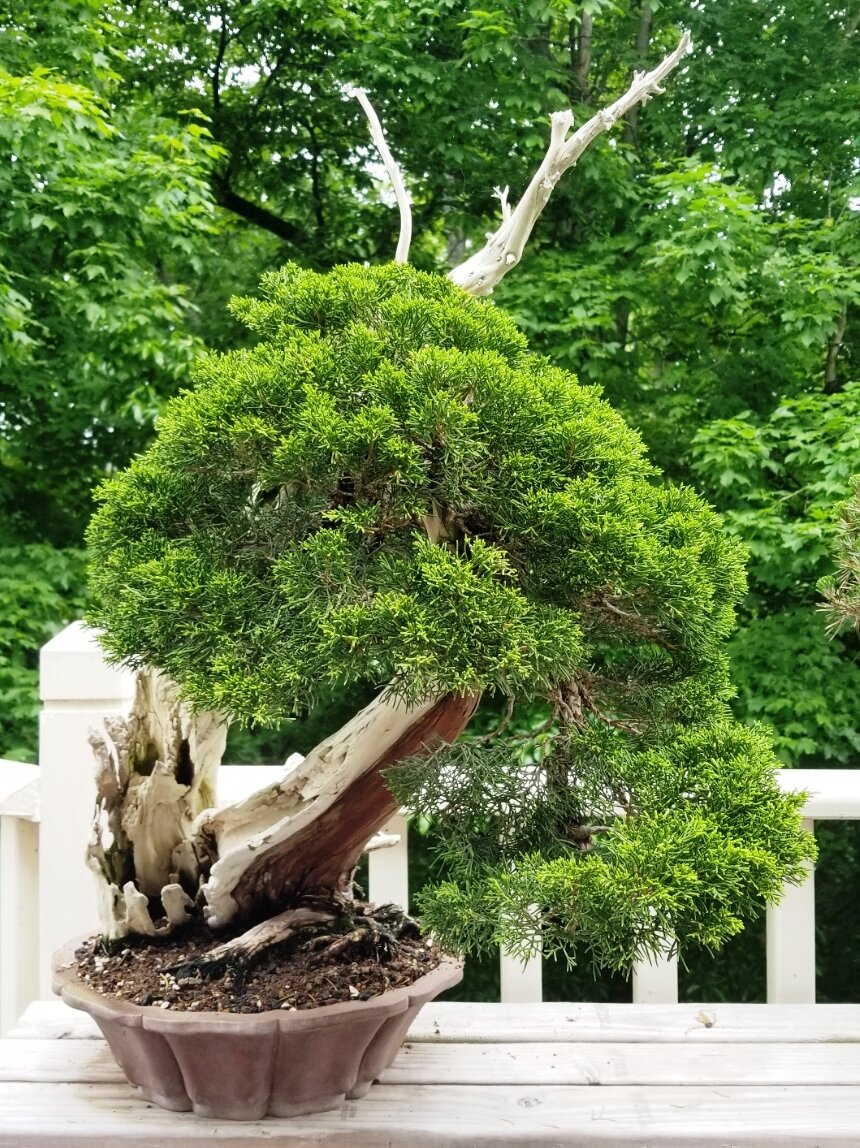
Over centuries, artists have developed several common styles, each mimicking a way trees grow in nature. These styles are guidelines, not strict rules, but they provide a starting point for shaping a tree.
One of the most classic is the Formal Upright style, or Chokkan. This style features a straight, vertical trunk that tapers evenly from the base to the top. It mimics trees growing in open, ideal conditions.
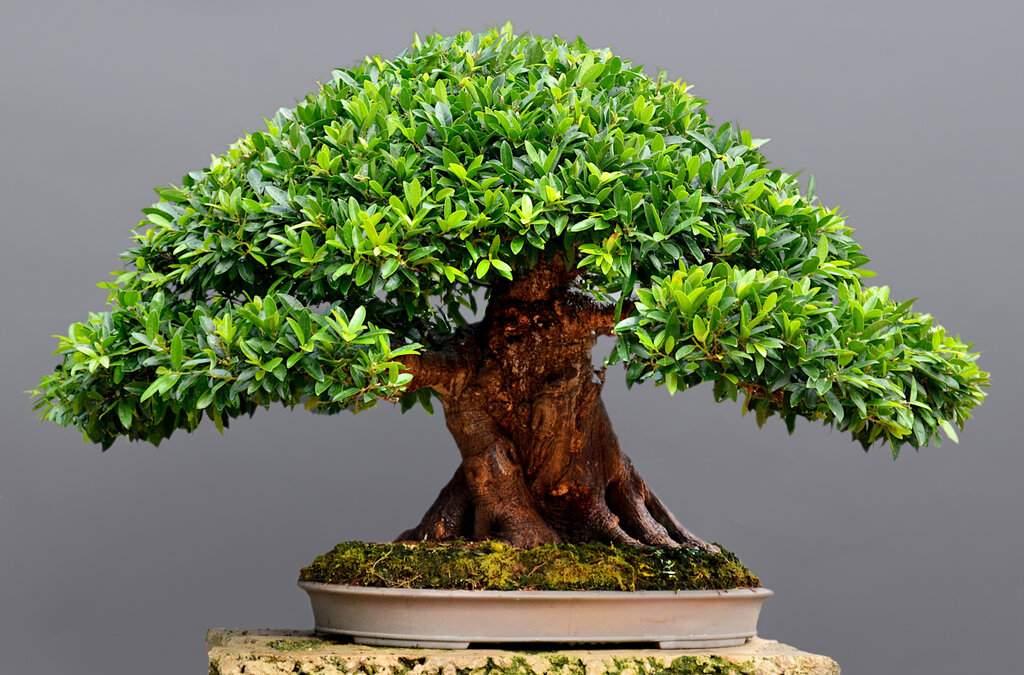
The Informal Upright, or Moyogi, is much more common in both nature and bonsai. The trunk has gentle curves, but the apex, or top of the tree, is still located directly above the base. This style suggests a tree that has faced some challenges but continues to thrive.
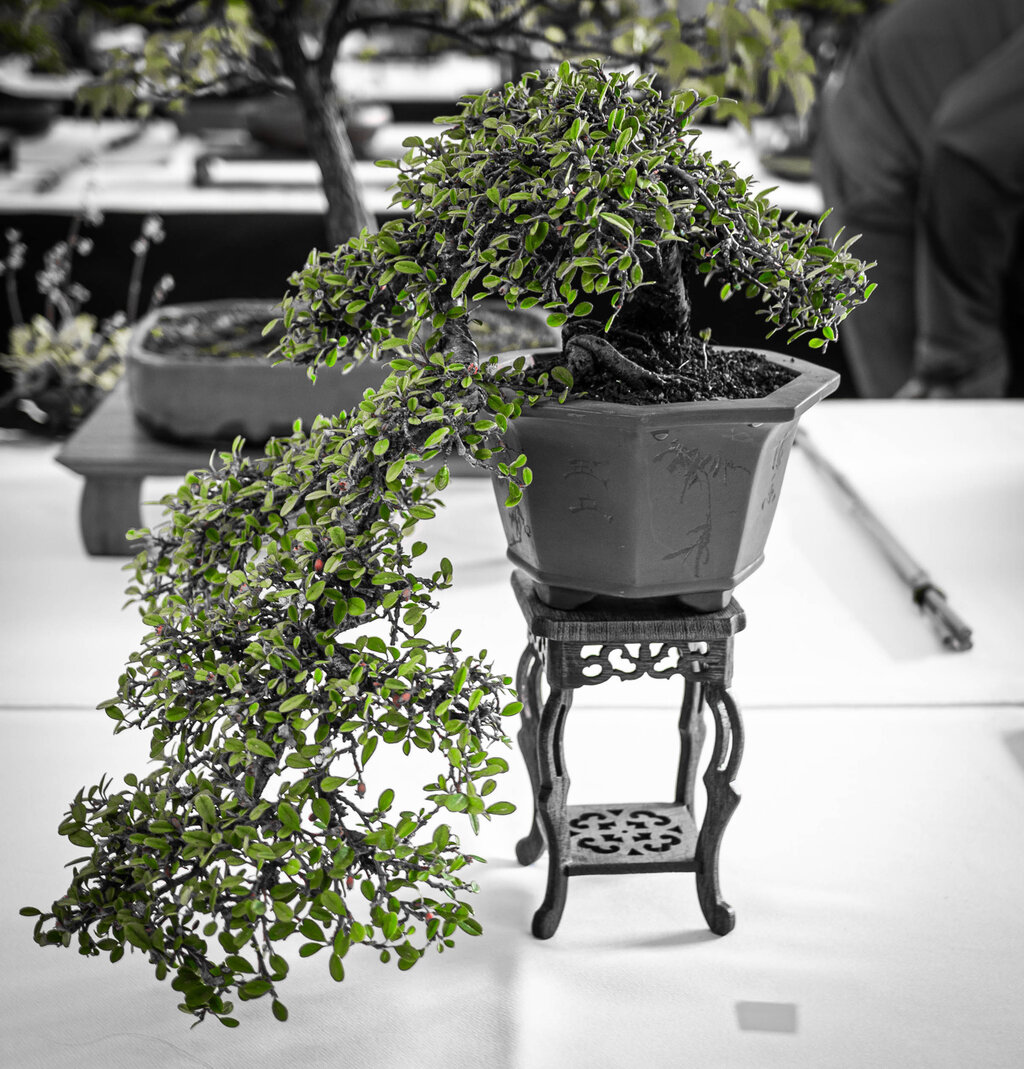
A more dramatic form is the Cascade style, or Kengai. This mimics a tree growing on the side of a steep cliff, forced by snow or falling rock to grow downwards. The trunk emerges from the pot and dips below its base.
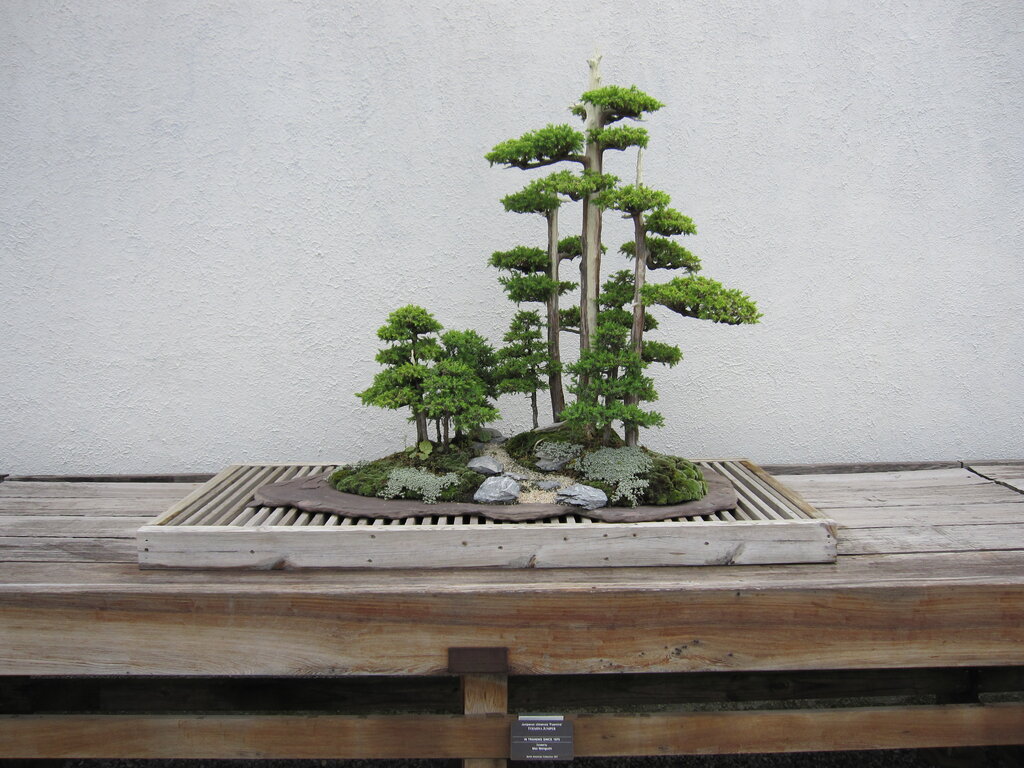
Finally, the Forest style, or Yose-ue, uses multiple trees (usually an odd number) to create the illusion of a small grove or forest. The trees are typically the same species but vary in height and trunk thickness to create depth and a natural appearance.
Guiding the Growth
Creating a bonsai is an active, ongoing process. The artist uses several techniques to guide the tree's growth and maintain its miniature scale. While we'll cover these in detail later, the core methods are pruning, wiring, and repotting.
Pruning is the most fundamental technique. It involves trimming branches, buds, and leaves to shape the tree and encourage smaller leaf growth. Careful pruning directs the tree's energy and refines its overall design.
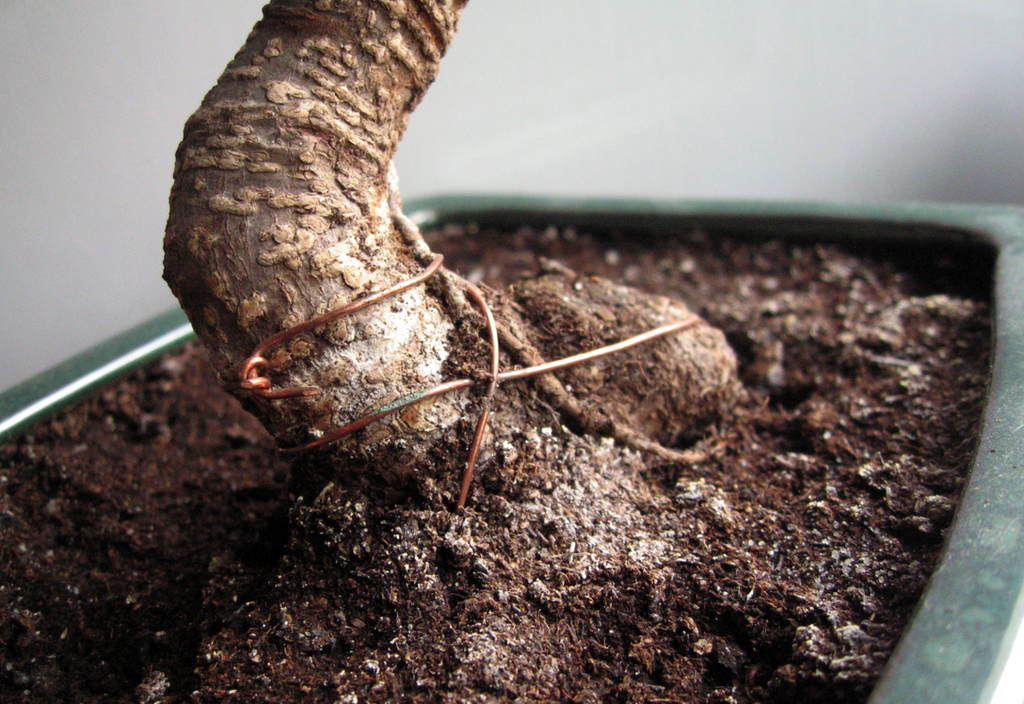
Wiring is used to bend and position branches. By wrapping a thin, pliable wire around a branch or trunk, the artist can guide it into a more desirable position. After several months or years, the branch holds its new shape, and the wire is removed.
Repotting is done every few years to manage the root system. Trimming the roots prevents the tree from becoming root-bound and encourages the growth of a fine, compact root ball, which is essential for keeping the tree healthy in a small container.
These techniques, applied with patience and foresight, allow the artist to collaborate with nature, creating a piece of living art that evolves over a lifetime.