The Art of Bitter Cocktails
Origins of Bitters
From Medicine to Mixology
Long before they were a staple in your favorite cocktail, bitters were medicine. The practice of infusing alcohol with bitter herbs, roots, and barks dates back to ancient civilizations. The Egyptians, for example, would steep herbs in wine, using the concoctions to aid digestion and treat various ailments. This wasn't about flavor; it was about function. The bitterness was a sign of potent medicinal properties.
At the dawn of modern science and medicine, it was not at all clear where the boundaries ought to be drawn: foods and spices shaded into drugs, recreational intoxicants doubled as medicines, and all medicines worked by unexplainable ‘occult virtues’.
This tradition continued through the Roman Empire and was later preserved and refined in European monasteries during the Middle Ages. Monks, who were often the keepers of medical knowledge, cultivated herb gardens and perfected the art of distillation. This new technology allowed for the creation of highly concentrated alcoholic extracts, or tinctures, which were more potent and shelf-stable than simple infused wines.
Tincture
noun
A medicine made by dissolving a drug, typically a plant-based one, in alcohol.
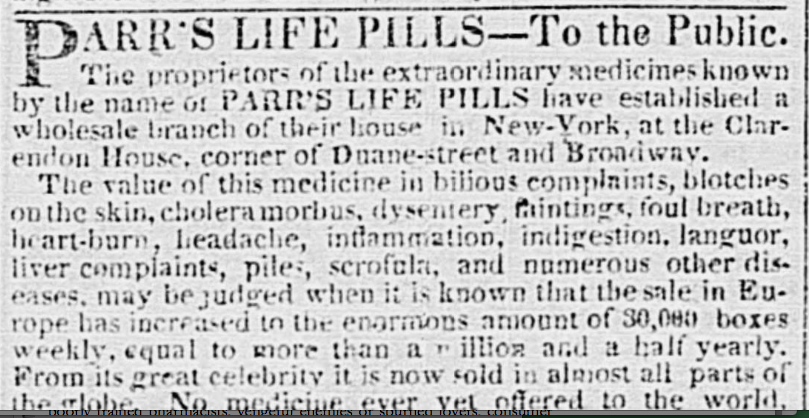
By the 18th and 19th centuries, these medicinal concoctions had evolved into commercial products known as “patent medicines.” They were marketed as cure-alls, promising to relieve everything from indigestion to malaria. Brands like Peychaud's and Angostura got their start during this era, originally sold not for cocktails, but for health.
The Cocktail Is Born
The leap from medicine cabinet to bar counter happened in the early 19th century. Bartenders began to realize that a few dashes of these potent bitters could add complexity and balance to alcoholic drinks, counteracting sweetness and enhancing aromas.
The first recorded definition of the word “cocktail” appeared in an 1806 issue of a New York newspaper. A reader asked what a cocktail was, and the editor replied that it was a stimulating liquor, composed of spirits of any kind, sugar, water, and bitters.
This simple formula—spirits, sugar, water, and bitters—formed the foundation of classic drinks like the Old Fashioned and is still the blueprint for many cocktails today.
As cocktails grew in popularity, so did the variety of bitters. While once seen as a dose of medicine to be taken with a grimace, they became an indispensable tool for adding depth and character to drinks. The focus shifted from medicinal properties to aromatic and flavor profiles, cementing their place in the art of mixology.