The Art of Art Commerce
Art Market Basics
The Two Sides of the Market
The art market isn't one single place. It's split into two main parts: the primary and the secondary market. Think of it like buying a car. You can buy a brand new one directly from the dealership, or you can buy a used one from a previous owner.
The primary market is where a work of art is sold for the first time. The secondary market is where it's sold again.
When an artist finishes a new painting, it enters the primary market. The first sale, whether it happens at a gallery exhibition or directly from the artist's studio, is a primary market transaction. This is where new art gets its start and its initial price is set.
The secondary market is all about resale. If a collector who bought that painting decides to sell it years later, it enters the secondary market. These sales often happen through auction houses or private dealers. Here, the price is determined by the artwork's history and current demand, not its original cost.
This structure creates a cycle. The success of an artist's work on the secondary market, like a high price at auction, can dramatically increase the prices of their new work on the primary market.
The Key Players
A handful of key participants keep the art market moving. Each has a distinct role.
Artist
noun
The creator of the artwork. They are the source of the supply that fuels the entire market.
Without artists, there is no art to sell. Their vision, skill, and career trajectory are the foundation of an artwork's value.
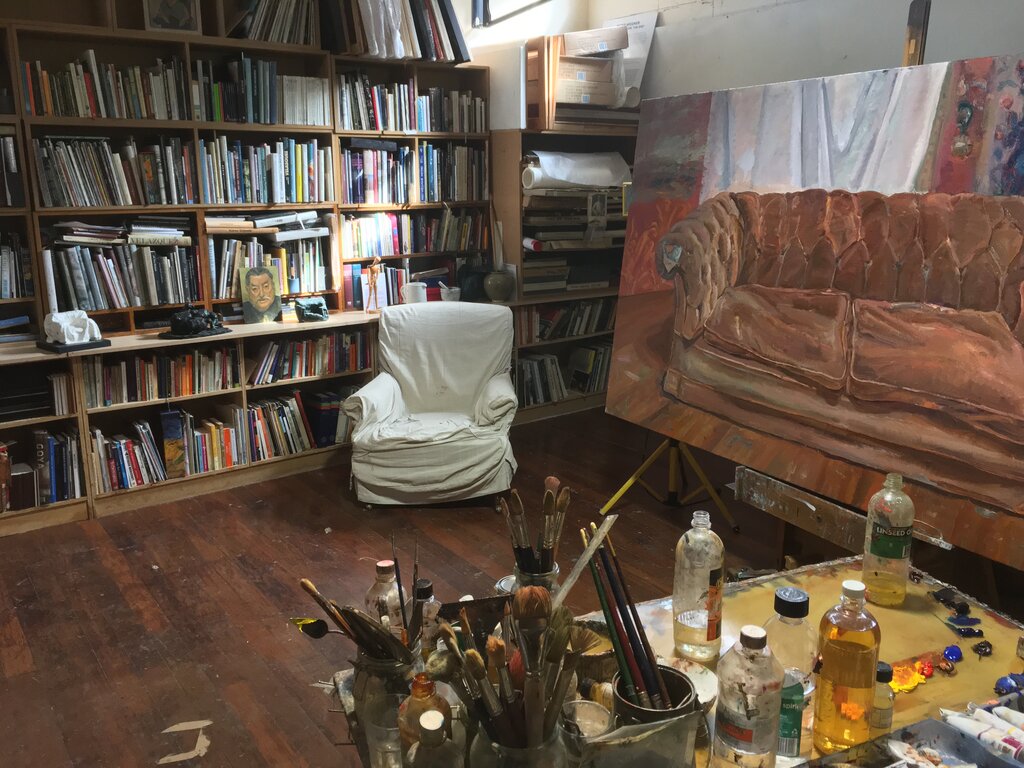
Next are the galleries. They act as the primary representatives for artists. A gallery invests in an artist's career, providing space for exhibitions, marketing their work, and connecting them with collectors and museums. They are the gatekeepers of the primary market.
Art galleries are the backbone of the primary art market, connecting artists with collectors.
When art is resold, it often goes through an auction house. These are the giants of the secondary market, like Christie's and Sotheby's. They handle the public sales of significant artworks, often creating headline-grabbing prices that serve as benchmarks for an artist's value.
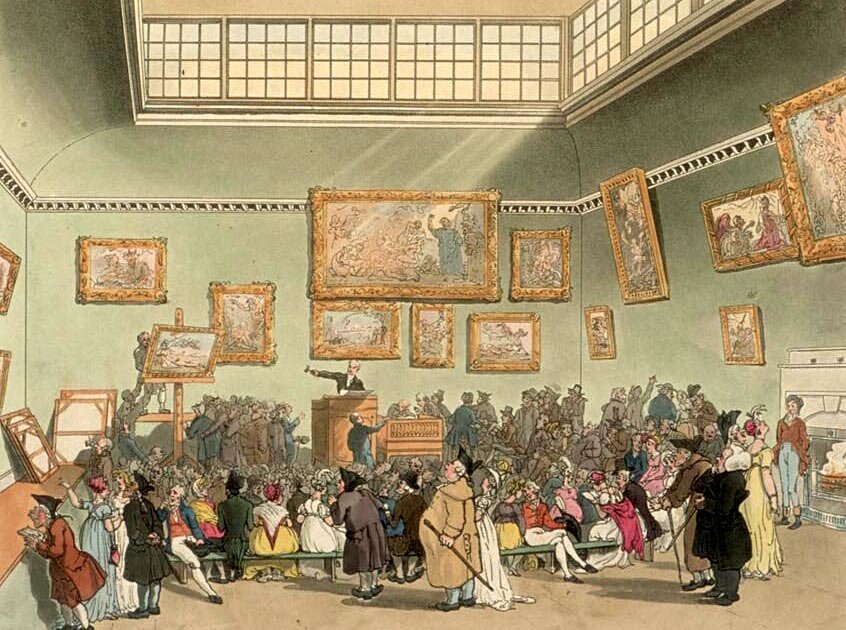
Finally, there are the collectors. These are the buyers, ranging from individuals purchasing their first piece to major institutions building vast collections. Their tastes, motivations, and budgets create the demand that drives the market. Some buy for passion, some for investment, and many for a mix of both.
What Drives the Price?
Unlike stocks or real estate, art has no inherent utility. Its value is a complex blend of tangible and intangible factors. The most basic economic principle at play is supply and demand. The supply of work by any single artist is limited, and for a deceased artist, it's fixed forever. If demand for that artist's work increases, prices will rise.
The three biggest factors are often said to be the artist's reputation, the work's provenance, and its overall quality and condition.
An artist's reputation is built over time through gallery shows, museum exhibitions, and critical reviews. The more significant the artist is considered in art history, the more valuable their work becomes.
Provenance is the artwork's chain of ownership. A painting once owned by a famous collector or exhibited in a major museum carries a more prestigious history, which can significantly boost its price.
Market trends also play a huge role. At different times, certain styles or artists become highly fashionable. These trends can be influenced by major museum shows, art fairs, and the tastes of influential collectors. Being aware of these cycles is key to understanding why some types of art suddenly become more expensive.
These factors combine to create a market that is both logical and unpredictable. While a famous artist's work is likely to be valuable, the exact price at auction can be a surprise to everyone.
Now, check your understanding of the art market's core concepts.
When an art collector purchases a painting directly from the gallery that represents the living artist, this transaction takes place in which market?
An artwork's history of ownership, which can significantly influence its value, is known as its...
Understanding these foundations—the two-part structure, the key players, and the drivers of value—is the first step to navigating the art world with confidence.