The Art of Alfred Kubin
Early Life and Influences
A Shadowed Youth
Alfred Kubin's artistic vision was born from darkness. Born in 1877 in Bohemia, his childhood was marked by profound loss. His mother died when he was just ten years old, a tragedy that left a permanent scar on his psyche. This early encounter with death would echo throughout his work for the rest of his life.
His first foray into a trade was an apprenticeship with a landscape photographer, Alois Beer. However, the experience was a poor fit. Kubin learned little and felt creatively stifled, eventually ending the apprenticeship after a nervous breakdown. It was clear his path lay elsewhere, not in capturing serene landscapes, but in exploring the turbulent landscapes of the mind.
Munich and Macabre Muses
A pivotal moment came in 1898 when Kubin moved to Munich to formally study art. The city's vibrant artistic scene was a revelation. He discovered the works of Symbolist and visionary artists whose art spoke to his own inner turmoil and fascination with the strange.
Symbolist
adjective
A late 19th-century art movement where artists used symbols and indirect suggestion to express mystical ideas, emotions, and states of mind, rather than depicting objective reality.
He was especially drawn to the fantastical, often grotesque, works of artists like Odilon Redon, James Ensor, and Max Klinger. In their art, Kubin found a reflection of his own obsessions with dreams, nightmares, and the darker side of human existence. They weren't just painting what they saw; they were painting what they felt and imagined, giving form to the invisible world of the subconscious.
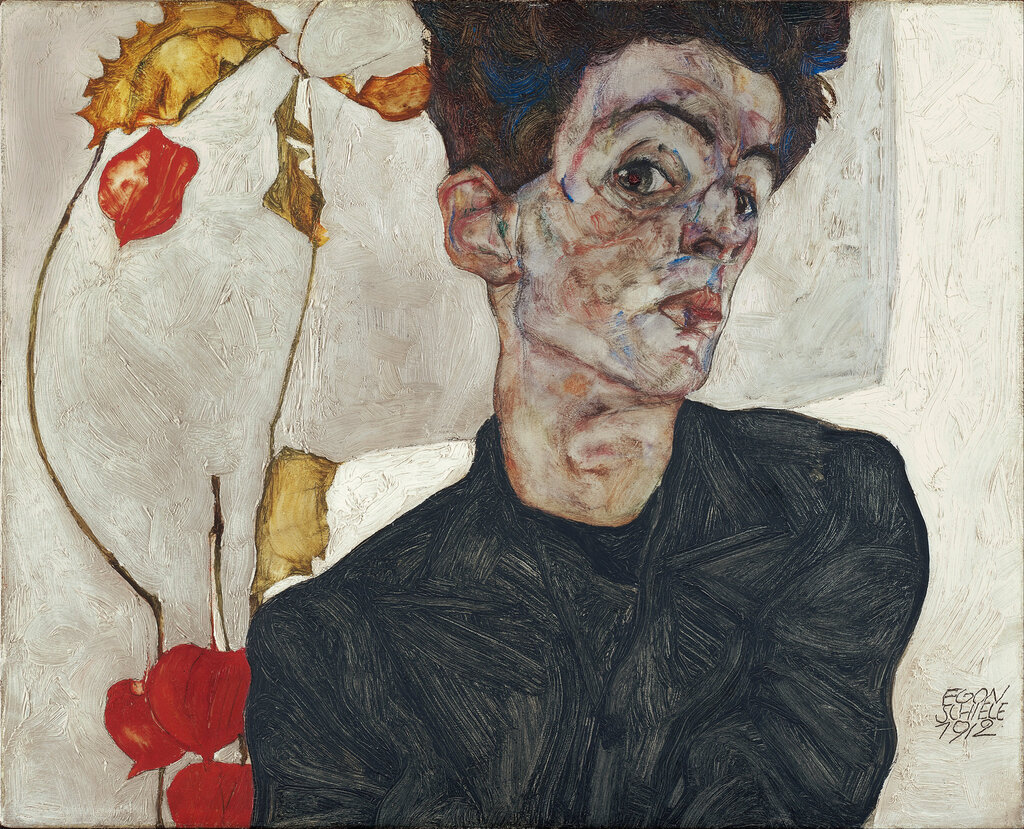
This exposure unleashed a torrent of creativity. Kubin began producing ink and wash drawings at a furious pace. His early style was distinctive and spontaneous, often described as 'spidery' and nervous. The subjects were pulled directly from his imagination: ghostly figures, monstrous creatures, and eerie, dreamlike scenarios. He had found his voice not in the sunlit world of photography, but in the shadows of the human mind.
What major life event from Alfred Kubin's childhood is said to have profoundly influenced his artistic themes?
Before formally studying art, Kubin had an unsuccessful apprenticeship with a landscape photographer.
These formative years set the stage for a career spent exploring the depths of fantasy and fear.