The Art of Acquiring Knowledge
Introduction to Knowledge Acquisition
The First Step in Learning
Learning isn't magic. It's a process, and the first step is called knowledge acquisition. This is the act of taking in new information from the world around you. It’s reading a book, listening to a lecture, or watching a demonstration. But it's more than just letting information wash over you. It's about how your brain grabs onto that information and begins to make sense of it.
Knowledge Acquisition
noun
The process of extracting, structuring, and organizing information from various sources to build a knowledge base.
Think of your brain as a library. Knowledge acquisition is the process of receiving a new book, figuring out its subject, and deciding where to put it on the shelves. Without this initial step, nothing can be learned, remembered, or used later on.
How Your Brain Takes In Information
Acquiring knowledge involves a few key cognitive steps that happen almost instantly. First, you have to pay attention. In a world full of distractions, your brain has to select what's important enough to focus on. If you're not paying attention to the material, you can't acquire it.
Once you're focused, perception comes into play. This is how your brain interprets the signals it receives from your senses. You don't just see letters on a page; you perceive them as words and sentences with meaning. You don't just hear sounds; you perceive them as a coherent explanation.
Finally, the information is encoded. Encoding transforms the perceived information into a format that can be stored in your memory. It's like saving a document on a computer. The brain converts sensory input into a memorable code, preparing it for storage.
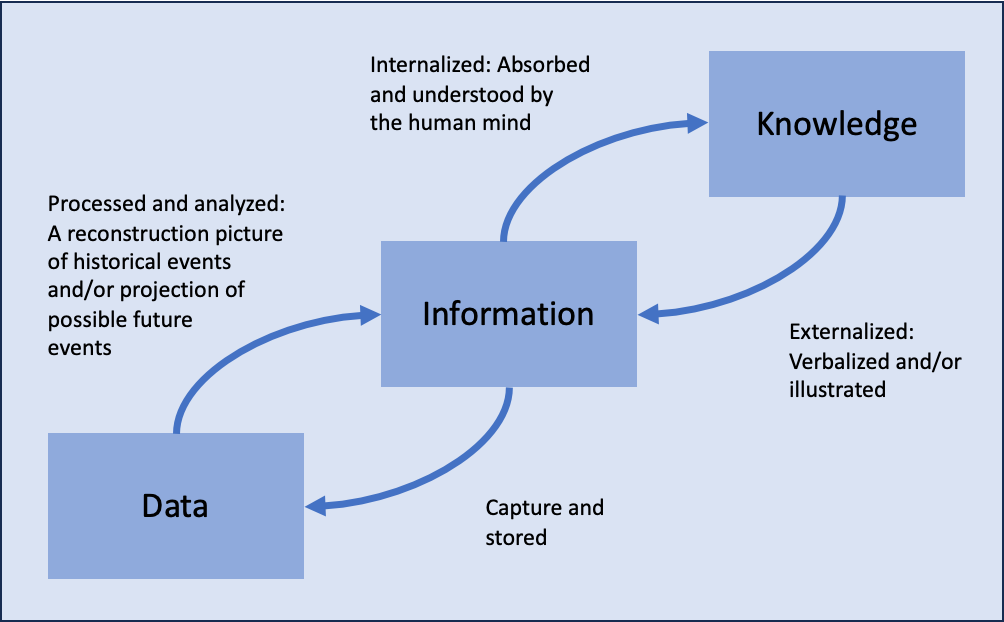
These processes work together seamlessly. Without attention, there's no perception. Without perception, there's nothing to encode. When all three are working well, knowledge acquisition happens effectively.
What Shapes Your Learning
Why do some people seem to pick things up faster than others? Several factors, both internal and external, influence how well you acquire knowledge.
Internal factors are about you. Your prior knowledge is a huge one. It's much easier to learn about a new planet if you already understand the basics of a solar system. What you already know acts as a mental framework where new information can stick. Your motivation also plays a critical role. If you're genuinely interested in a topic, you'll naturally pay more attention and process it more deeply.
External factors relate to your surroundings and the information itself. The learning environment matters. Trying to study in a loud, distracting cafe is harder than in a quiet library. The quality of the information is also key. A clear, well-organized explanation is much easier to acquire than a confusing or poorly presented one.
Both your mindset and your environment set the stage for how effectively you can learn.
Understanding these cognitive processes and influencing factors is the first step toward becoming a more effective learner. By knowing how the machine works, you can start to tune it for better performance.
What is the primary role of knowledge acquisition in the learning process?
Which of the following correctly lists the cognitive steps of knowledge acquisition in the proper order?