The Art of a Happy Life
Understanding Happiness
What Is Happiness Anyway?
Everyone wants to be happy. It's a universal goal that cuts across cultures, ages, and backgrounds. But what does it actually mean? The answer is more complex than it seems. Happiness isn't a single feeling or a destination you arrive at. It’s a combination of how satisfied you are with your life and how good you feel on a day-to-day basis.
Happiness
noun
A state of well-being characterized by positive emotions ranging from contentment to intense joy, combined with a sense of meaning and satisfaction in one's life.
Psychologists often break happiness down into two main components: hedonic and eudaimonic well-being. Think of it as the difference between feeling good and living a good life.
| Type | Focus | Example |
|---|---|---|
| Hedonic Well-being | Pleasure and positive feelings | Enjoying a delicious meal or laughing with a friend. |
| Eudaimonic Well-being | Meaning, purpose, and personal growth | Working toward a challenging personal goal or contributing to a cause you care about. |
Hedonic happiness is about maximizing pleasure and minimizing pain. It's the joy you get from a funny movie or a warm day. Eudaimonic happiness is deeper. It comes from feeling like your life has purpose and that you're growing as a person. A truly happy life involves a blend of both.
How We Think About Feeling Good
Different theories try to explain what makes us happy. One of the most well-known is Self-Determination Theory. It suggests that all humans have three basic psychological needs that must be met to achieve well-being.
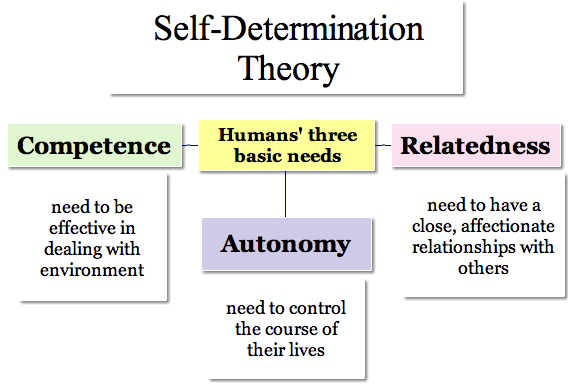
The three needs are:
- Autonomy: The need to feel in control of your own behaviors and goals. You make choices that align with your values.
- Competence: The need to feel effective and capable in what you do. You can handle challenges and gain new skills.
- Relatedness: The need to feel connected to others. You have close, supportive relationships.
When these needs are satisfied, we tend to feel more motivated, engaged, and happy. When they're blocked, our well-being can suffer.
Another perspective is the Broaden-and-Build Theory. It argues that positive emotions like joy, interest, and contentment aren't just pleasant feelings. They also broaden our mindset, helping us discover new ideas and build lasting resources like skills and relationships.
Happiness Across Cultures
The idea of happiness isn't the same everywhere. Culture shapes what happiness means and how it's pursued. In many Western cultures, like the United States, happiness is often seen as an individual achievement. It's linked to personal success, high self-esteem, and expressing positive emotions openly.
Developing cross-cultural understanding
In contrast, many East Asian cultures view happiness in more collective terms. It’s often associated with social harmony, fulfilling one's duties, and emotional balance. Overt displays of joy might be less common, with a greater value placed on contentment and tranquility.
These differences don't mean one culture is happier than another. They simply highlight the diverse ways people find meaning and satisfaction in life. Understanding these perspectives helps us see that there's no single, universal recipe for a happy life.
What Influences Our Happiness?
So, what actually determines how happy we are? Research suggests it’s a mix of different factors. You might have heard of the
happiness set point.
This theory proposes that we each have a baseline level of happiness determined by our genetics. Major life events, like winning the lottery or losing a job, might temporarily shift our mood, but we tend to return to our set point over time. This is also known as hedonic adaptation.
However, genetics and our set point are only part of the story. While they might influence our general disposition, they don't seal our fate. A significant portion of our happiness is determined by our intentional activities and life circumstances.
Intentional activities include things like pursuing personal goals, nurturing relationships, and practicing gratitude. Life circumstances cover aspects like income, health, and marital status. While important, studies show that circumstances often have less of an impact on long-term happiness than our daily thoughts and actions.
Ready to check your understanding?
According to the text, happiness is best described as a combination of which two elements?
Which type of well-being is primarily concerned with maximizing pleasure and minimizing pain, like the joy from watching a funny movie?
This foundation helps us see happiness not as a fleeting emotion, but as a rich and multifaceted part of the human experience.