The Art and Science of Winemaking
Grape Cultivation
The Perfect Grape
Every great wine starts its life not in a cellar, but in a field, as a cluster of grapes on a vine. The quality of that fruit is the single most important factor in winemaking. And it all begins with choosing the right grape variety.
You’ve probably heard of famous grapes like Cabernet Sauvignon, Chardonnay, and Pinot Noir. These are all varieties of a single species, Vitis vinifera, which is the source of nearly all the world's wine. Each variety has its own personality, expressed through unique flavors, aromas, and textures. A Chardonnay grape tastes very different from a Riesling grape.
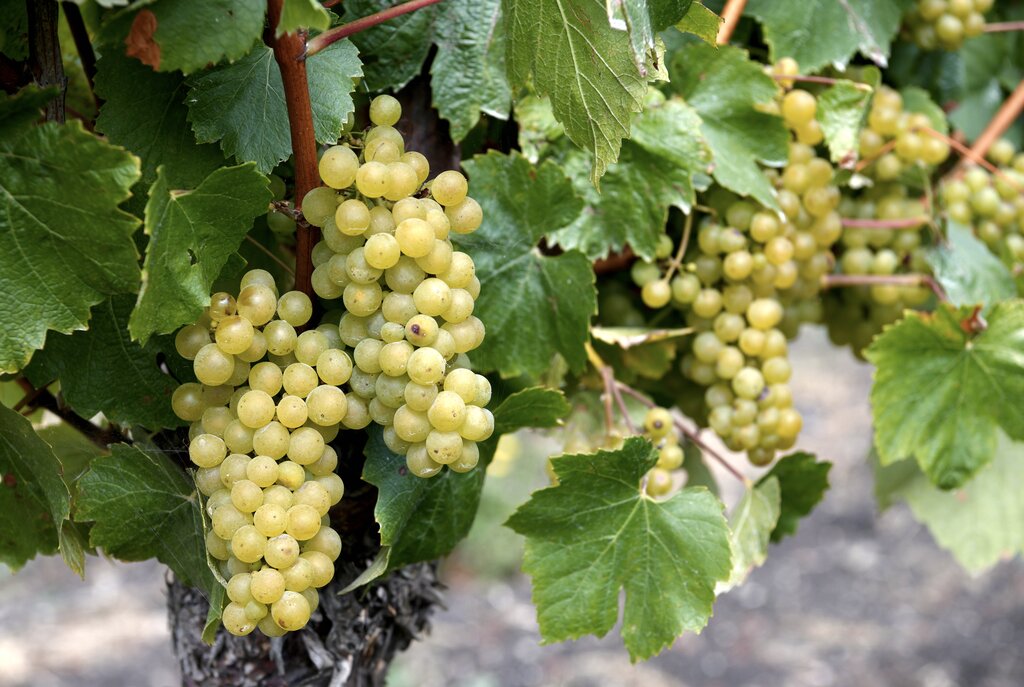
But a grape variety can't just be planted anywhere. Some, like Grenache, need hot, dry weather to ripen fully. Others, like Pinot Noir, are famously fussy and prefer cooler climates that allow their delicate flavors to develop slowly. The choice of grape is the first crucial decision, a commitment that matches a specific plant to a specific piece of land.
Finding a Home
Once a grower has a grape variety in mind, they must find the perfect site to plant it. This is where the concept of terroir comes in. It's a French term that encompasses all the environmental factors that affect a grapevine, including the soil, climate, and topography of a specific vineyard. It’s what makes a wine from one hillside taste completely different from a wine made from the same grape grown just a few miles away.
Terroir is the unique fingerprint of a place, imprinted on the wine.
Key factors in site selection include:
- Soil: Different soils offer different benefits. Chalky limestone soils, like those in Champagne, France, provide excellent drainage and retain just enough water. Sandy soils resist certain pests and result in aromatic, lighter wines.
- Climate: The overall weather patterns, including temperature, rainfall, and sunshine hours, determine which grapes can thrive and ripen properly.
- Topography: The slope and aspect (the direction the slope faces) of a vineyard are critical. Slopes provide better drainage, preventing the vine's roots from getting waterlogged. A hillside facing the sun will capture more light and warmth, which is crucial for ripening grapes, especially in cooler regions.
Planting and Pruning
With the perfect site chosen, it's time to plant. Young vines are typically planted in neat rows, with specific spacing to manage competition for water and nutrients. Most modern vineyards use trellising systems, like wires strung between posts, to support the vines and organize their growth. This makes managing the vineyard and harvesting the grapes much easier.
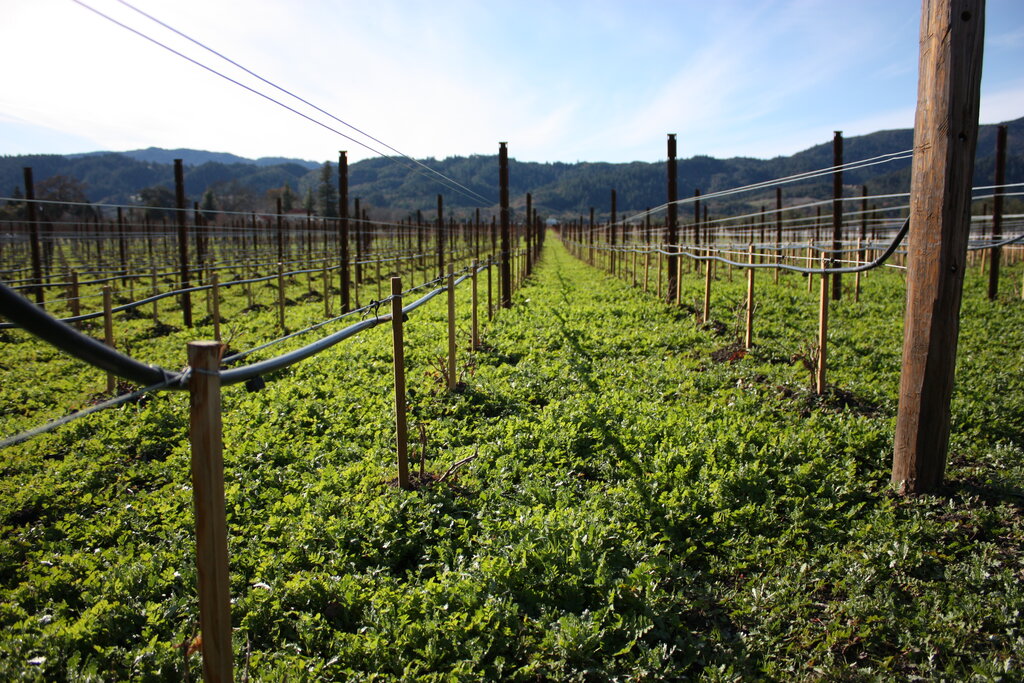
Once a vine is established, the most important annual task is pruning. This is done in the winter when the vine is dormant. It might seem counterintuitive to cut back so much of the plant, but pruning is essential. An unpruned vine would produce a huge, tangled mess of leaves and far too many grape clusters. The resulting fruit would be small, underripe, and lack concentrated flavor.
Pruning directs the vine's energy into a smaller number of high-quality grape clusters, rather than a large number of poor-quality ones.
There are two primary methods:
-
Cane Pruning: The grower leaves one or two one-year-old canes (long, woody shoots) and removes the rest. These canes are then tied to a trellis wire, and they will produce the season's fruit.
-
Spur Pruning: The vine is trained to have permanent, thicker arms (cordons) that extend along a trellis wire. Each winter, the grower prunes the shoots that grew on these cordons down to short two-bud spurs. These spurs will then produce the new, fruit-bearing shoots.
Care Through the Season
Once spring arrives and the vine starts growing, the work continues. Canopy management is the practice of managing the vine's leaves and shoots. This involves positioning shoots, thinning out leaves, and sometimes removing fruit clusters. The goal is to create a canopy that is open but not too sparse. It should allow sunlight to reach the grapes for ripening, but also provide some shade to prevent sunburn. Good airflow through the canopy is also vital to help prevent fungal diseases.
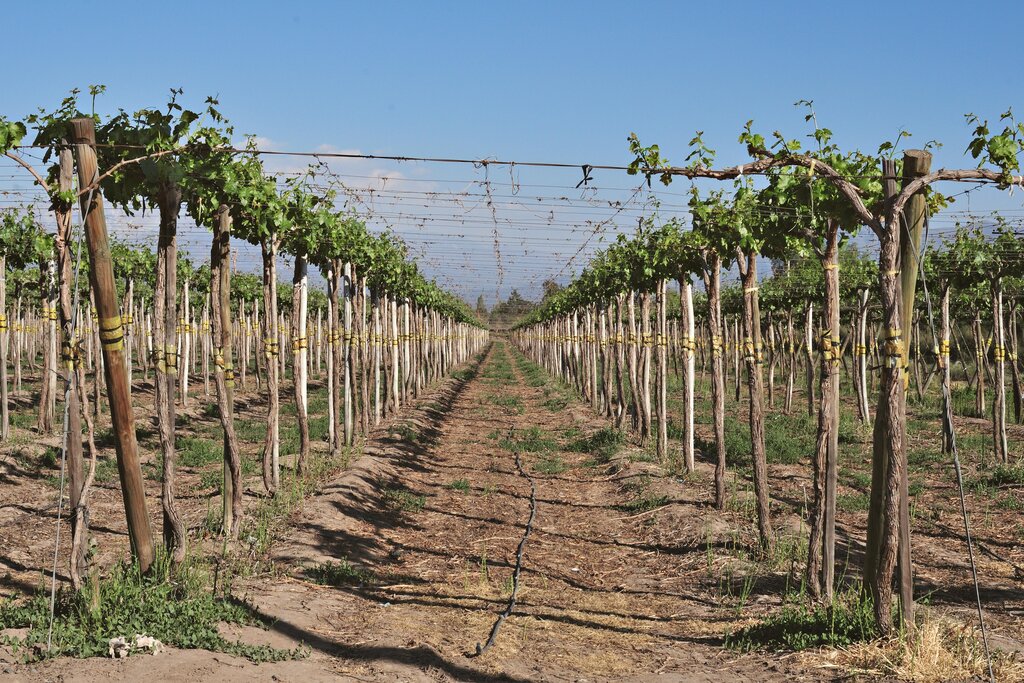
Throughout the growing season, vineyard managers must also be vigilant about pests and diseases. Fungal infections like powdery mildew can ruin a crop, and various insects can damage the vines or the fruit. While conventional farming might rely on chemical sprays, there is a growing movement towards sustainable, organic, and biodynamic practices. These methods focus on building a healthy ecosystem in the vineyard to naturally keep pests in check, using cover crops between rows to improve soil health and attract beneficial insects.
From selecting the right variety and site to the meticulous, year-round work of pruning and canopy management, every step is a careful calculation. It's this dedication in the vineyard that lays the groundwork for a truly exceptional bottle of wine.
Ready to check your understanding of what happens in the vineyard?
What is the best definition of terroir in the context of winemaking?
What is the primary reason for pruning a grapevine during its winter dormancy?
This intensive work in the field ensures that when the grapes are finally harvested, they are of the highest possible quality, ready for the next stage of their journey.