The Art and Science of Sound in Media
Narrative Power of Sound
Sound as a Storyteller
Sound in media is often an unsung hero. We notice a beautiful shot or a clever line of dialogue, but the audio often works on a deeper, more subconscious level. It’s not just background noise; it’s a powerful tool that shapes our emotions, builds worlds, and tells us who the characters are.
From the soaring music in a dramatic film scene to the subtle crunch of leaves under a character's feet, every sound is a piece of the narrative puzzle. It can make us feel joy, fear, or sadness, often without us even realising why. Sound gives stories weight and texture, transforming a flat image into a living, breathing world.
Audio isn’t just a technical skill—it’s a powerful storytelling language that can enhance reality and bring your creative vision to life.
The Emotional Score
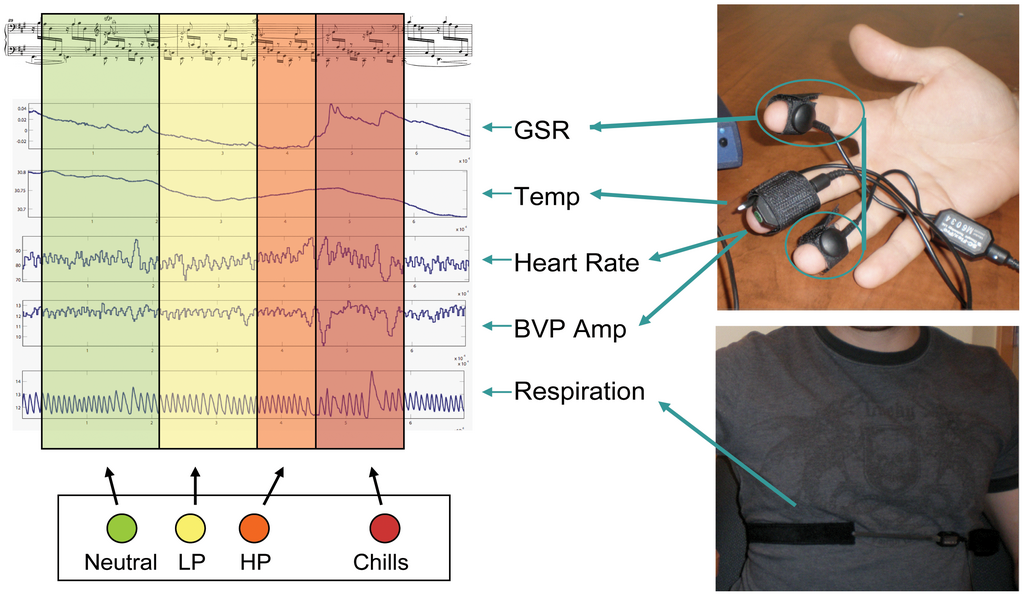
Music is perhaps the most direct way sound influences our emotions. A film score can tell you how to feel about a scene before the actors even speak. A sudden shift to a minor key can signal danger, while a gentle piano melody can evoke nostalgia or romance. Composers use melody, harmony, and rhythm to create an emotional roadmap for the audience.
Think about the iconic two-note theme from the film Jaws. Those two notes, played with increasing speed, create an incredible sense of dread and approaching danger. The music becomes the shark. Without it, the scenes of the shark approaching would be far less terrifying. The score doesn't just accompany the story; it becomes a character in itself.
In interactive media, music can adapt to the player's actions. In the game Celeste, the soundtrack changes dynamically. As the player overcomes difficult challenges, the music builds in intensity and complexity, mirroring the character's struggle and eventual triumph. This creates a powerful link between the player's actions and the emotional arc of the story.
Giving Characters a Voice
Dialogue is more than just words on a page. The way a character speaks reveals their personality, background, and emotional state. A voice actor's performance—their tone, pitch, and pacing—adds layers of meaning that text alone cannot convey.
A character who speaks in short, clipped sentences might be perceived as nervous or aggressive. Someone with a slow, measured drawl might seem calm and confident. Even silence can be a powerful tool. A long pause before answering a question can communicate hesitation, thoughtfulness, or deception.

In the video game The Last of Us, the relationship between the two main characters, Joel and Ellie, is built almost entirely through their dialogue. The subtle changes in their tone of voice, their arguments, and their quiet moments of shared vulnerability are what make their bond feel so real and compelling. The performances turn them from digital avatars into believable human beings.
Building Worlds with Sound Effects
Sound effects and ambient noise are the building blocks of a believable world. They ground the story in a specific time and place, creating an immersive atmosphere. The distant sirens of a bustling city, the gentle chirping of crickets on a summer night, or the sterile hum of a spaceship's engine all contribute to the story's setting.
These sounds don't just establish location; they also create mood. The creak of a floorboard in an otherwise silent house can create intense suspense. The roar of a crowd at a sporting event can convey excitement and energy. This layer of sound, often called a soundscape, makes the fictional world feel tangible.
Consider a scene set in a rainy city. The sound of rain tapping on windowpanes, the splash of cars driving through puddles, and a distant rumble of thunder work together to create a specific, often melancholic, atmosphere.
In the film Blade Runner 2049, the sound design is crucial to building its dystopian future. The world is filled with the constant hum of flying cars, the chatter of holographic advertisements, and the ever-present sound of acid rain. These sounds create a world that feels oppressive, technologically saturated, and lonely, reinforcing the film's central themes.
By weaving together music, dialogue, and sound effects, creators can craft rich, emotionally resonant narratives. Sound is a fundamental element of storytelling, guiding our experience and immersing us completely in the world on the screen.
Ready to check your understanding?
What is the primary way sound functions as a storytelling tool in media, as described in the text?
How does the iconic two-note theme from the film Jaws serve the narrative?