The Art and Science of Pottery
Introduction to Pottery
A Craft as Old as Time
Pottery is one of humanity's oldest inventions, predating even written language. Before cities and empires, our ancestors discovered that mixing clay with water and then firing it with heat created durable, waterproof vessels. This simple discovery was a game-changer. Suddenly, people could store grain safe from pests, cook food more effectively, and carry water over long distances.
Pottery wasn't just practical; it was a canvas. Early potters decorated their work with patterns and images, telling stories about their lives, beliefs, and the world around them. These artifacts give us a direct link to the past, offering clues about ancient cultures that we couldn't get from any other source. From simple storage jars to elaborate ceremonial urns, pottery tracks the course of human history.
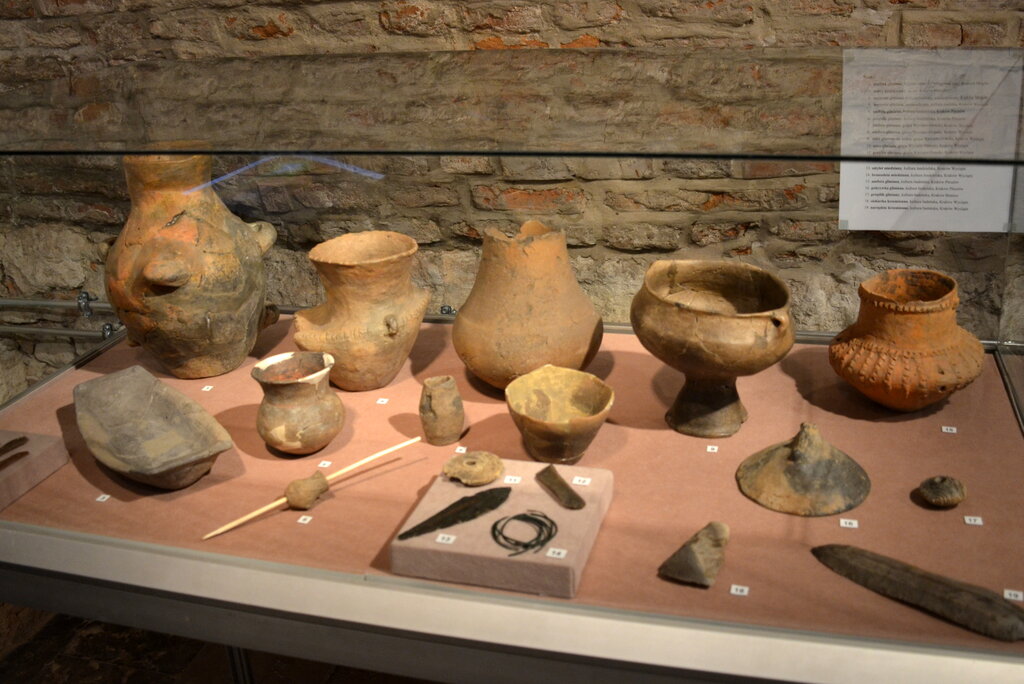
Today, pottery is both a functional craft and a celebrated art form. The fundamental process remains the same, connecting every modern potter to a tradition tens of thousands of years old.
Choosing Your Clay
Every piece of pottery begins with the same essential ingredient: clay. But not all clay is the same. The type you choose will affect how you work with it, how it's fired, and what the final piece will look like. Think of different clays as different types of fabric; you wouldn't use silk to make a rugged backpack.
The most important property of clay is its plasticity, which is its ability to be shaped and hold that form. Potters prepare clay by kneading it, a process called wedging, which removes air bubbles and makes the clay's consistency uniform.
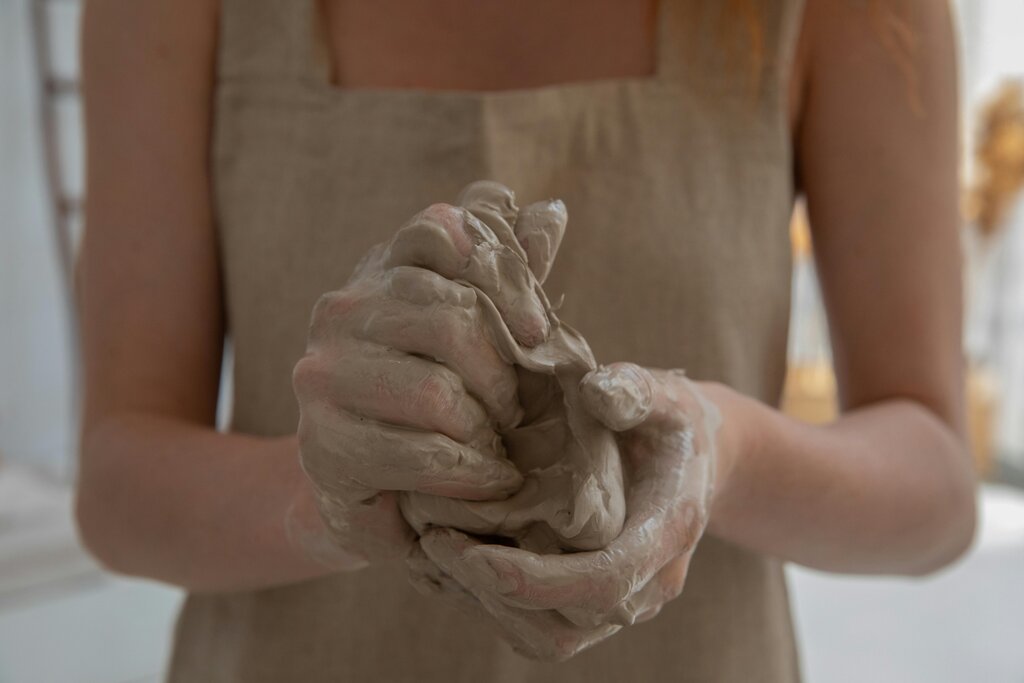
Plasticity
noun
The property of a material, like clay, that allows it to be deformed by pressure and retain its new shape after the pressure is removed.
There are three main categories of clay that every beginner should know.
| Clay Type | Firing Temperature | Characteristics | Common Uses |
|---|---|---|---|
| Earthenware | Low (1745-2012°F / 950-1100°C) | Porous, often reddish-brown, opaque. | Flower pots, tiles, decorative items. |
| Stoneware | Medium-High (2100-2370°F / 1150-1300°C) | Less porous, strong, durable, often grey or brown. | Mugs, plates, bowls, bakeware. |
| Porcelain | High (2300-2550°F / 1260-1400°C) | Non-porous, very hard, often white and translucent. | Fine dinnerware, vases, decorative art. |
For beginners, stoneware is often recommended. It's relatively forgiving to work with and fires into a strong, durable product perfect for everyday use.
Gearing Up
Walking into a pottery studio for the first time can be overwhelming. There are wheels, kilns, and shelves filled with strange-looking tools. The good news is you only need a few basics to get started. The most iconic piece of equipment is the potter's wheel, used for 'throwing' symmetrical pots. But it's far from the only way to work with clay.
Techniques such as hand building, casting, using forms and molds, and slab building can be utilized to start exploring the world of pottery without a wheel.
Besides the wheel, here are some essential tools you'll encounter:
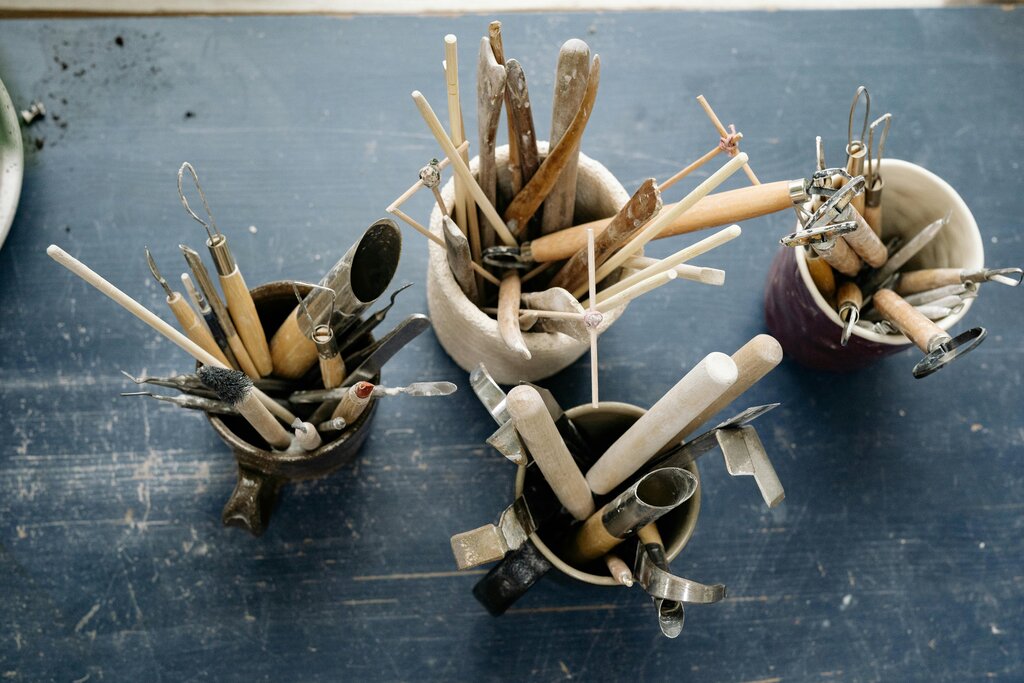
Wire Tool: Used for cutting clay off a large block and removing finished pieces from the wheel.
Potter's Ribs: Flat tools made of wood, metal, or rubber, used for shaping and smoothing clay surfaces.
Needle Tool: A sharp needle set in a handle, perfect for trimming, scoring, and piercing clay.
Sponges: Essential for smoothing, shaping, and absorbing excess water while working.
You'll also see buckets for water and slip (a watery clay mixture), as well as a surface for working, like a sturdy table or a canvas-covered board.
Studio Safety
A pottery studio is a workshop, and like any workshop, it's important to be mindful of safety. The biggest concern is clay dust, specifically silica, which can be harmful if inhaled over long periods. Keeping the studio clean is the best way to stay safe.
Always clean up spills with a wet sponge and mop, never a dry broom. This keeps dust from becoming airborne. It's also a good idea to wear an apron to keep your clothes clean and to tie back long hair.
Be mindful of the equipment. Potter's wheels have moving parts, and kilns reach incredibly high temperatures. Never operate a kiln without proper training and supervision. By following these simple rules, you can ensure the studio remains a safe and creative space.
Ready to test your knowledge? Let's see what you've learned.
What was one of the primary practical advantages of the invention of pottery for early human societies?
The ability of clay to be shaped and to hold that form is known as its ________.
You now have a solid foundation in the world of pottery, from its rich history to the essential materials and safety practices. Next, you'll learn how to take a lump of clay and begin shaping it with your own hands.