The Art and Science of Perfume Making
Introduction to Perfume History
The First Scents
Long before perfume was a luxury item dabbed on the wrist, it was smoke wafting towards the gods. The word “perfume” comes from the Latin per fumum, meaning “through smoke.” The earliest fragrant smoke was incense, burned in religious ceremonies across the ancient world.
The first true pioneers of personal fragrance were the Mesopotamians. Cuneiform tablets from around 1200 BCE mention a woman named Tapputi, a royal perfume-maker who is considered the world's first recorded chemist. She developed methods for distilling flowers, oil, and other botanicals to create powerful scents.
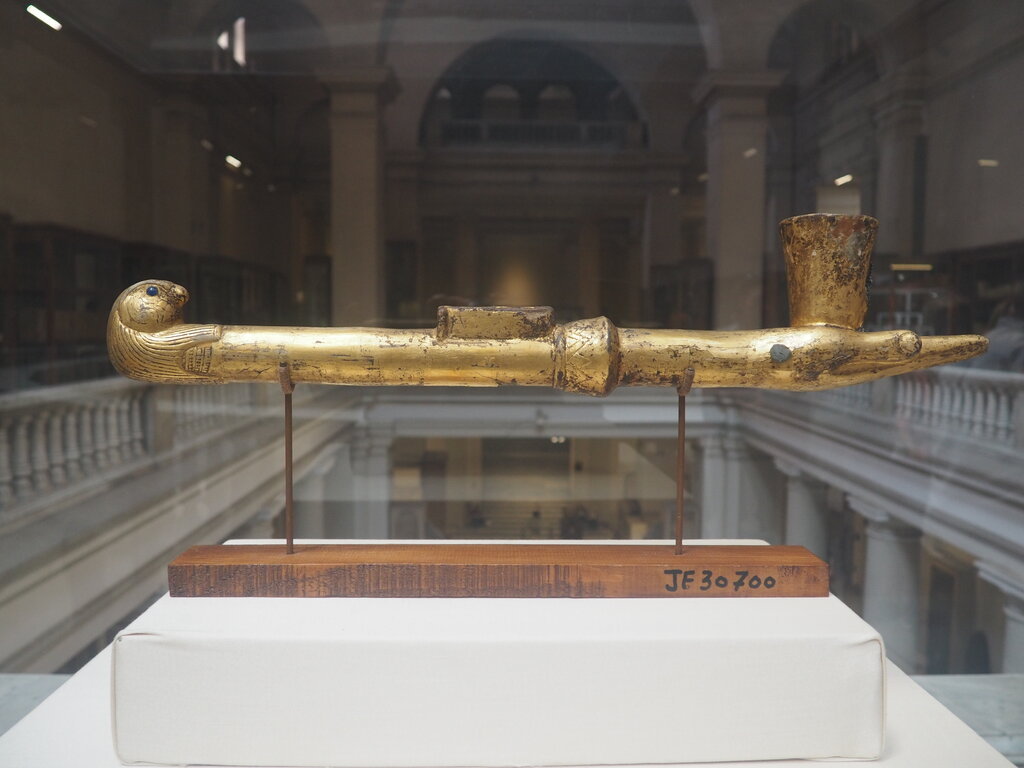
Nearby in Egypt, perfume was essential to both life and death. Egyptians used fragrant unguents to protect their skin from the harsh desert sun and scented cones of wax on their heads that would melt during the day, releasing a pleasant aroma. But its most sacred role was in religious rituals and the mummification process. Priests used resins like myrrh and frankincense to anoint the bodies of pharaohs, believing the divine scents would help the soul on its journey to the afterlife. A famous Egyptian incense blend, kyphi, was used for both sacred and medicinal purposes.
Fragrance Spreads West
The Greeks, great traders and travelers, learned the art of perfumery from the Egyptians. They were the first to create liquid perfumes, though these were very different from what we use today. They were fragrant powders mixed with heavy, scentless oils.
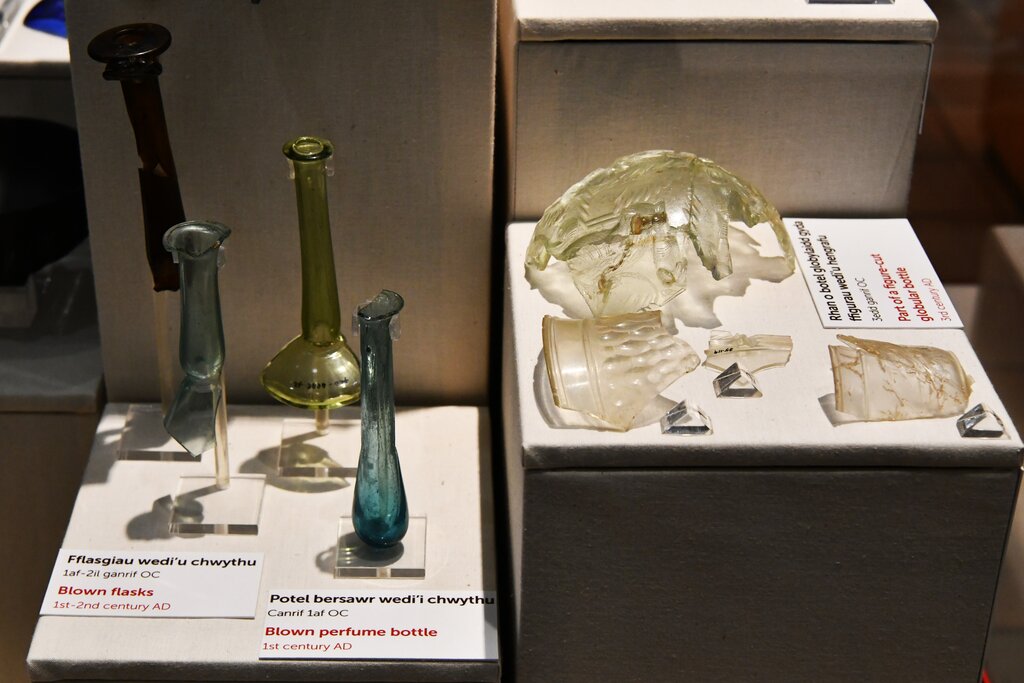
The Romans, however, took the love of fragrance to an entirely new level. They were obsessed. Perfume was used in public baths, on their hair and clothes, and even sprayed in their homes and on their pets. Roman emperors would scent public fountains with rosewater during festivals. This extravagance was a symbol of wealth and power, a way to display one's status in a society that valued luxury. Glassblowing, invented around the 1st century BCE, allowed for the creation of beautiful bottles to store these precious oils.
After the fall of Rome, the widespread use of perfume declined in Europe. The rise of Christianity brought a more austere lifestyle, and the lavish bathing and scenting practices of the Romans were seen as excessive. For centuries, the art of perfumery largely vanished from the continent.
A Golden Age of Scent
While perfumery languished in Europe, it flourished in the Islamic world. Arab and Persian chemists preserved Greco-Roman techniques and made incredible advancements of their own. They perfected the process of steam distillation, a method for extracting essential oils from plants that is still used today. This allowed for the creation of lighter, more delicate scents like rosewater.
A key figure was the 9th-century polymath Al-Kindi, who wrote a book called The Book of the Chemistry of Perfume and Distillations. It contained over a hundred recipes for fragrant oils and aromatic waters. Later, the Persian physician Ibn Sina (known as Avicenna in Europe) refined the distillation process, making it more efficient. Thanks to their extensive trade networks, these new ingredients and techniques slowly made their way back to Europe.
The reintroduction of perfumery to Europe was largely driven by the Crusades, as knights returned from the Middle East with new scents and the knowledge of how to make them.
By the 14th century, perfume was back in style, especially among the wealthy. The first modern-style perfume—an alcohol-based blend—was created around 1370. Known as "Hungary Water," it was made for Queen Elizabeth of Hungary and was dominated by the scent of rosemary. This was a major turning point, as alcohol allowed the scent to evaporate slowly from the skin, creating a more lasting fragrance.
From Medicine to Fashion
During the Renaissance, perfume became a tool of both hygiene and status. Cities were crowded and sanitation was poor, so people used perfume to mask unpleasant body odors. Scented gloves became a popular fashion accessory, particularly in France, after Catherine de' Medici arrived from Italy with her personal perfumer. The town of Grasse in the south of France, already a center for leather tanning, began growing fields of flowers to perfume gloves, eventually becoming the perfume capital of the world.
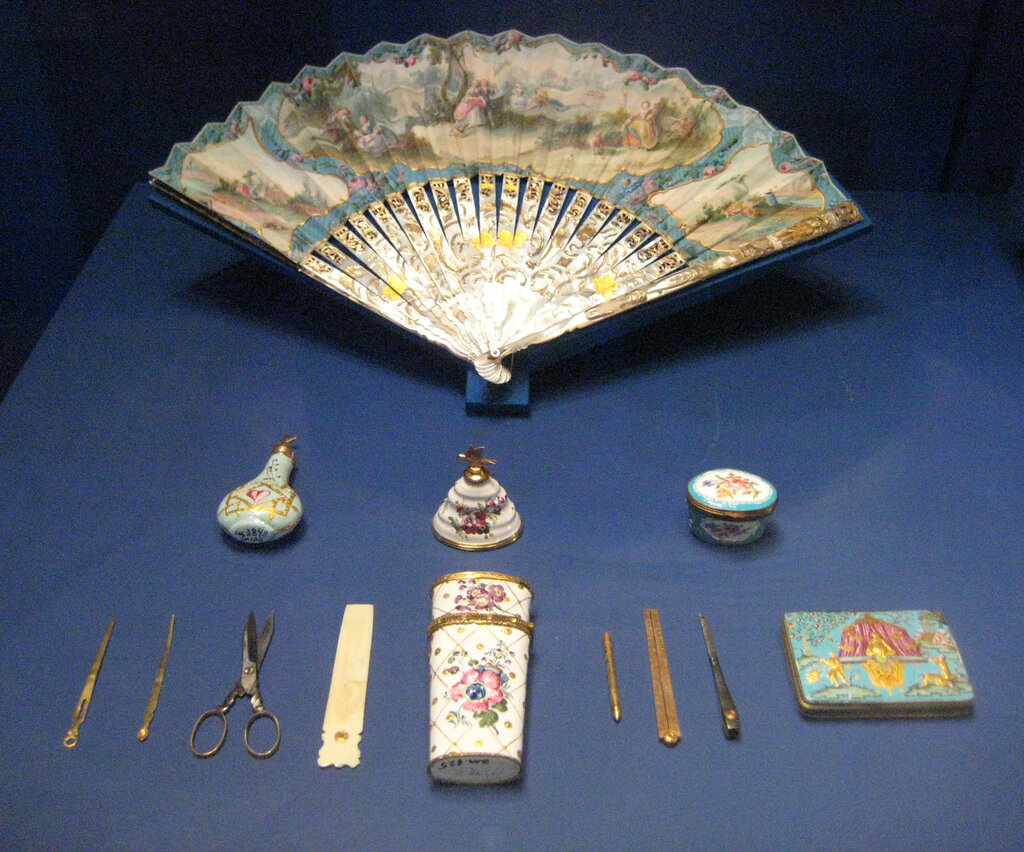
The 18th century was the era of the perfumed court. At Versailles, King Louis XV's court was called la cour parfumée (the perfumed court), where a different scent was demanded for each day. Perfume was no longer just for personal use; it was applied to furniture, fans, and clothing.
The Industrial Revolution in the 19th century changed everything. New chemical discoveries allowed for the creation of synthetic scent molecules for the first time. This made perfumes more affordable and accessible to the middle class. It also gave perfumers a vast new palette of smells to work with, opening the door for modern perfumery as we know it today. Fragrance was no longer just about imitating nature; it was about creating entirely new olfactory experiences.
Ready to test your knowledge?
What does the Latin phrase per fumum, the origin of the word “perfume,” translate to?
Who is considered the world's first recorded chemist, a perfume-maker from ancient Mesopotamia?
From ancient rituals to modern chemistry, the story of perfume is a journey through human history, reflecting our changing values, technologies, and desires.