The Art and Science of Hypnosis
Introduction to Hypnosis
What Is Hypnosis?
Hypnosis is a state of highly focused attention, often accompanied by deep relaxation, where the conscious mind takes a backseat. Think of it as a mental spotlight. In your normal waking state, your attention is like a floodlight, illuminating many things at once. During hypnosis, that light narrows into a powerful beam, focused on a single thought, image, or suggestion.
It's not about losing control. It's about gaining a different kind of control by directing your focus inward.
In this state, you become more open to suggestions that can help you change perceptions, sensations, or behaviors. The critical, analytical part of your mind temporarily steps aside, allowing the subconscious to be more receptive.
Hypnosis is a procedure during which a mental health professional suggests that a patient experience changes in sensations, perceptions, thoughts, or behavior.
The Hypnotic State
What does it actually feel like to be hypnotized? It's less mysterious than you might think. Most people describe it as a pleasant state of deep physical and mental calm. You're not asleep or unconscious; you're just supremely focused. Your awareness of your immediate surroundings might fade, not because you can't perceive them, but because they no longer seem important.
This experience is similar to other moments of intense absorption you've likely had, like being so lost in a great book that you don't hear someone calling your name, or being 'in the zone' while playing a sport. The main characteristic is this single-minded focus, which allows for heightened suggestibility.
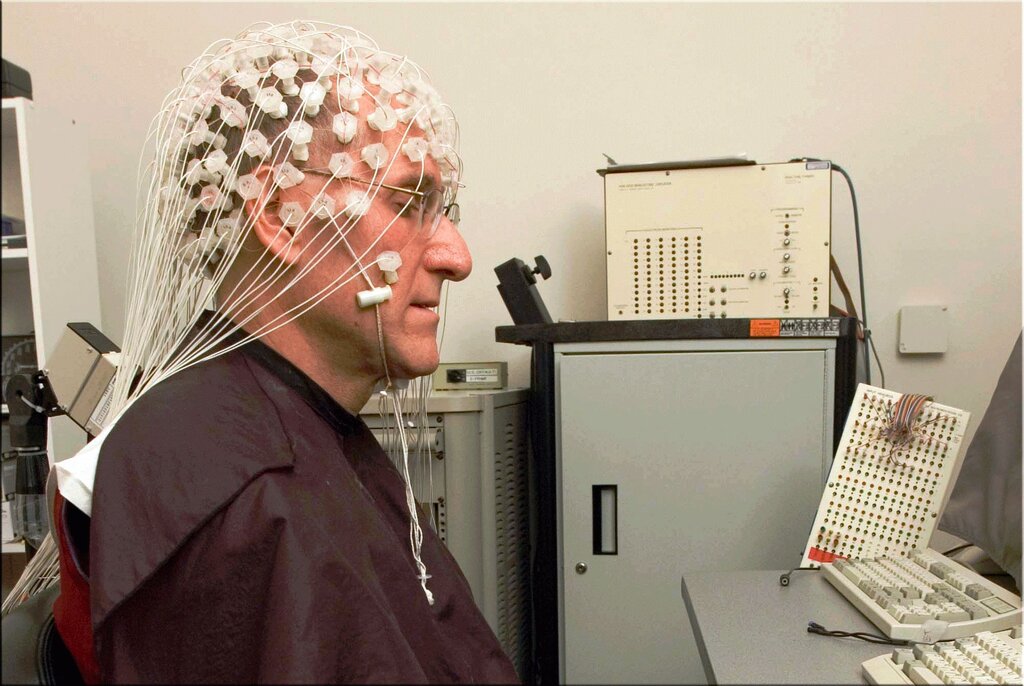
Hypnosis vs. Sleep
A common misconception is that hypnosis is a form of sleep. While a person in a hypnotic state might look sleepy due to their deep relaxation and closed eyes, their mind is actually awake and highly active. In sleep, you are largely unconscious and your awareness of the external world is shut down. In hypnosis, you are in a state of heightened awareness, just focused inwardly.
But contrary to popular belief, hypnotism is not a state of “sleep”. On the contrary, it is a state of high mental concentration in which the subject’s attention is focused on a single object or train of thought...
You can hear what's being said, you can remember what happens, and you are always in control. You can choose to accept or reject any suggestion given. Here’s a simple breakdown of the differences.
| Feature | Hypnosis | Sleep | Waking Consciousness |
|---|---|---|---|
| Awareness | Internally focused, high | Low or absent | Externally focused, broad |
| Control | Retained | Mostly lost | Retained |
| Brain Activity | Predominantly alpha waves (relaxed alertness) | Varies by stage (delta, theta waves) | Predominantly beta waves (active thinking) |
| Suggestibility | High | Low | Varies, generally low |
The Power of Suggestion
The two pillars of the hypnotic state are focused attention and increased suggestibility. By focusing your attention, you quiet the constant chatter of your conscious mind. This creates an opportunity for new ideas or 'suggestions' to be considered more directly by the subconscious part of your mind, which is less analytical and more open to change.
This is why hypnosis can be a powerful tool. A suggestion to feel less pain, to be more confident, or to no longer crave a cigarette can bypass the usual mental roadblocks ('that won't work,' 'I can't do it'). In the receptive hypnotic state, these positive suggestions can take root more easily.
Increased suggestibility doesn't mean you're gullible or weak-willed. It means your mind is temporarily more receptive to ideas you find beneficial.
So, at its core, hypnosis is simply a natural state of mind that allows you to harness the power of your own focus and imagination to make positive changes.