The Art and Science of Grape Growing
Introduction to Viticulture
The Art of Growing Grapes
Wine doesn't just appear in a bottle. It begins its life in a field, as a cluster of grapes hanging from a vine. The entire process of cultivating these grapes is a specialized field of agriculture with a specific name.
Viticulture
noun
The science, production, and study of grapes.
At its core, viticulture is farming. But it's a type of farming that blends science with a deep understanding of nature. A person who cultivates grapes, a viticulturist, needs to be part soil scientist, part botanist, and part meteorologist.
Humans have been practicing viticulture for thousands of years. Archaeological evidence suggests that people were making wine as far back as 6000 BCE in the region that is now modern-day Georgia. From these ancient roots, grape cultivation spread across the ancient world, carried by Phoenicians, Greeks, and Romans, who established vineyards in the lands they conquered, including France, Spain, and Germany. These regions remain some of the most famous wine-producing areas today.
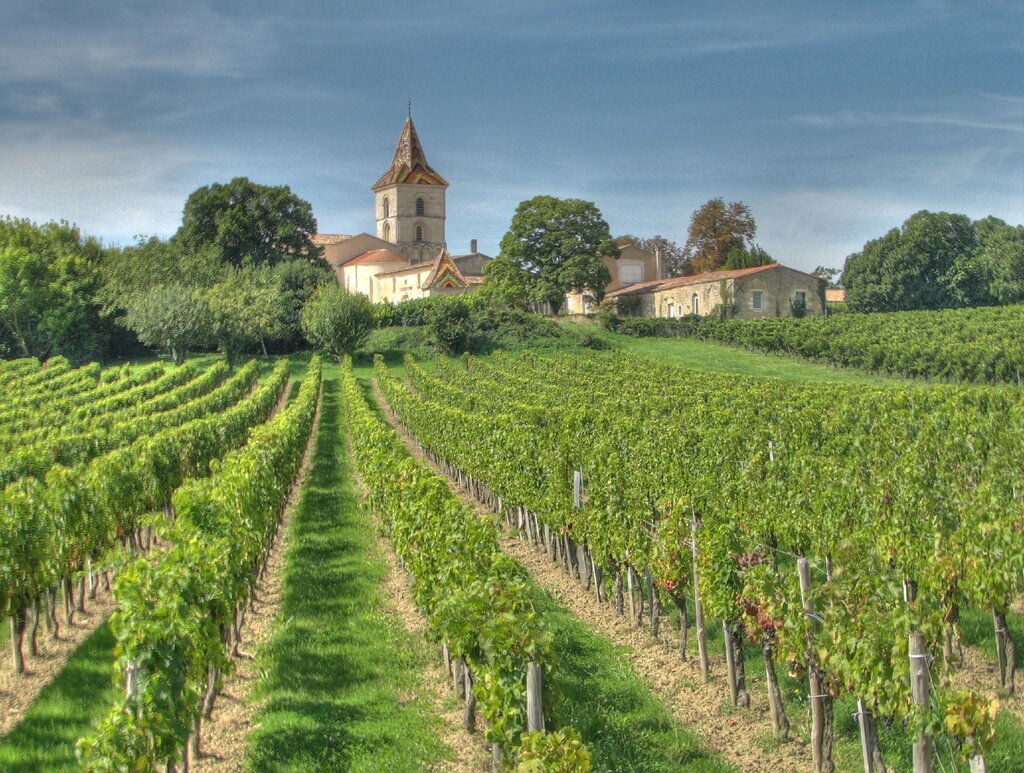
A Sense of Place
Why does a Sauvignon Blanc from France taste different from one grown in New Zealand? The answer lies in a single, powerful concept.
Land
The French word terroir literally translates to "land," but its meaning in the wine world is much broader. It describes how the unique environment of a vineyard shapes the character of the wine. It's the reason why location is everything in winemaking.
Terroir, a crucial concept in the fine wine world, is more than just dirt; it’s the ‘sense of place’ captured in a bottle of wine, encompassing the intricate interplay of various environmental factors and human influences.
Terroir is made up of several key components that work together.
| Component | Influence on Grapes |
|---|---|
| Climate | Includes temperature, sunlight, and rainfall. Grapes in cooler climates ripen slowly, developing higher acidity, while grapes in warmer climates ripen faster, creating more sugar and higher potential alcohol. |
| Soil | The type of soil—be it clay, gravel, chalk, or sand—affects water drainage and the vine's access to nutrients. This influences the concentration and flavor of the grapes. |
| Topography | This refers to the physical features of the land, like altitude, slope, and aspect (the direction the slope faces). A hillside vineyard facing the sun will get more direct light, helping grapes to ripen fully. |
| Human Factor | The traditions and techniques of the local viticulturists, such as pruning methods and harvest timing, are also considered part of terroir. |
Together, these factors create a unique fingerprint for a vineyard, which is then expressed in the final wine.
Anatomy of a Vine
To understand how terroir influences the grape, we first need to understand the plant itself. A grapevine, or Vitis vinifera, is a complex organism with several key parts that each play a vital role in producing fruit.
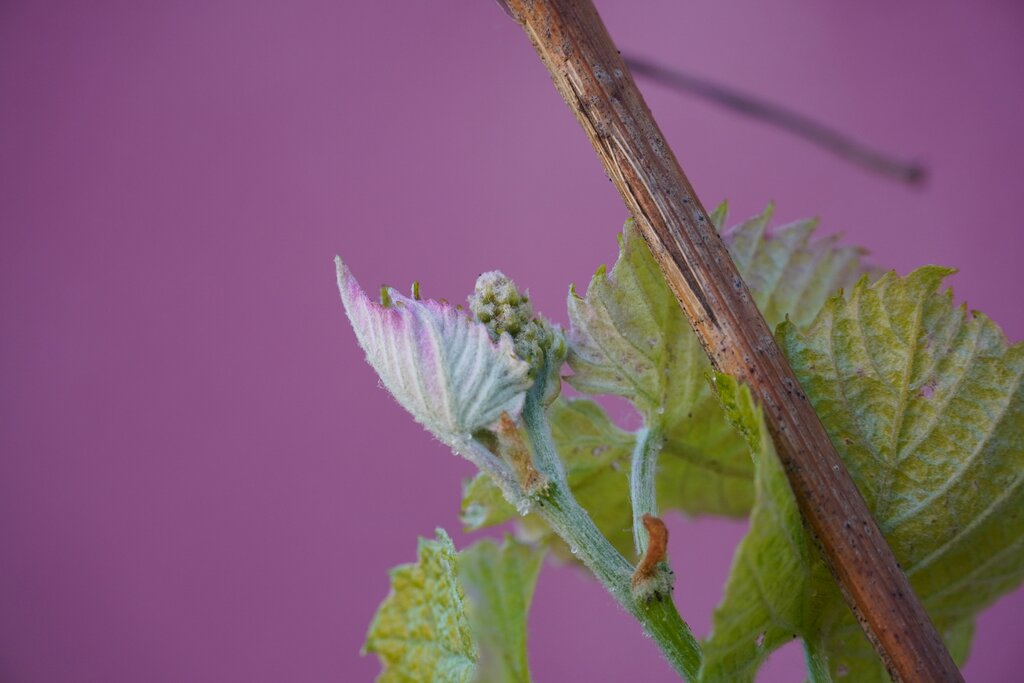
Let's break down the basic structure of a grapevine.
- Roots: Anchor the vine and absorb water and nutrients from the soil. The depth and spread of the root system are crucial for the vine's health and resilience.
- Trunk: The main upright structure that supports the rest of the vine and transports water and nutrients from the roots.
- Cordons (Arms): Permanent branches extending from the trunk. Viticulturists train these along wires to create a framework for the annual growth.
- Shoots: The new green growth that appears each spring from buds on the cordons. Shoots carry the leaves, tendrils, and grape clusters.
- Leaves: The engine of the plant. They perform photosynthesis, converting sunlight into the energy the vine needs to grow and ripen its fruit.
- Tendrils: Slim, curling structures that help the vine climb and support itself.
- Grape Clusters: The fruit of the vine. Each cluster is made up of many individual grapes, or berries, which contain the seeds and the pulp that will eventually become wine.
Every part of the vine works in concert. Healthy roots in good soil support a strong trunk, which enables vigorous shoots to grow and nourish the leaves that ripen the grapes.
This fundamental knowledge of grape cultivation, from the grand concept of terroir to the biology of a single vine, provides the foundation for understanding how a great bottle of wine is made. It all starts here, in the vineyard.
Ready to test your knowledge?
What is the specific term for the agricultural practice of cultivating grapes?
The French term terroir is a key concept in the wine world. What does it describe?