The Art and Science of Coffee Expertise
Coffee Botany
The Coffee Family
The coffee in your cup starts its life as a small, bright red fruit growing on a shrub. This plant belongs to the Coffea genus, a group within the Rubiaceae family, which also includes gardenias. While there are over 100 different species in the Coffea genus, the global coffee industry relies almost entirely on just two: Coffea arabica (Arabica) and Coffea canephora (Robusta).
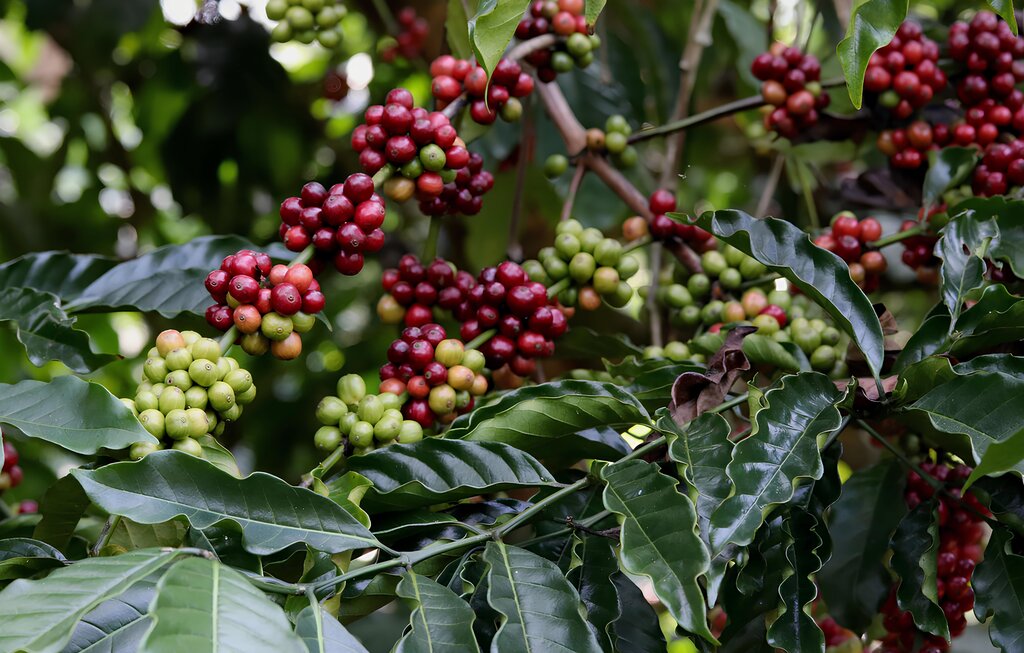
These two species dominate the market because of their distinct flavors and growing characteristics. Think of them as the two most famous siblings in a very large family. Each one has a unique personality that translates directly into the taste and aroma of the final brew. Understanding them is the first step to understanding coffee itself.
Arabica vs. Robusta
While they are related, Arabica and Robusta are strikingly different. Arabica is the more popular of the two, making up about 60% of the world's coffee production. It's known for its complex, aromatic, and acidic flavor profile. Robusta, as its name suggests, is a hardier plant. It has a stronger, bolder flavor, often described as rubbery or chocolatey, and contains significantly more caffeine.
| Feature | Arabica (Coffea arabica) | Robusta (Coffea canephora) |
|---|---|---|
| Flavor Profile | Sweet, soft, notes of fruit & sugar | Strong, bold, notes of chocolate & rubber |
| Acidity | High | Low |
| Caffeine | ~1.5% by weight | ~2.5% or more by weight |
| Bean Shape | Oval | Round |
| Ideal Altitude | 600–2000 meters | 0–800 meters |
| Ideal Temp. | 15–24°C (60–75°F) | 18–36°C (64–97°F) |
| World Market | ~60% | ~40% |
These differences have a huge impact on where the plants can be grown and how their beans are used. Arabica's delicate nature means it requires specific high-altitude climates, making it more expensive to cultivate. Robusta's resilience allows it to thrive in hotter climates and resist disease, but its intense flavor often lands it in espresso blends and instant coffee.
From Flower to Bean
The journey from a coffee plant to a coffee bean is a slow, cyclical process. It all begins with a beautiful and fragrant flower.
1. Flowering: After a period of heavy rain, the coffee plant produces delicate, white blossoms that smell like jasmine. This stage is beautiful but brief, often lasting only a few days.
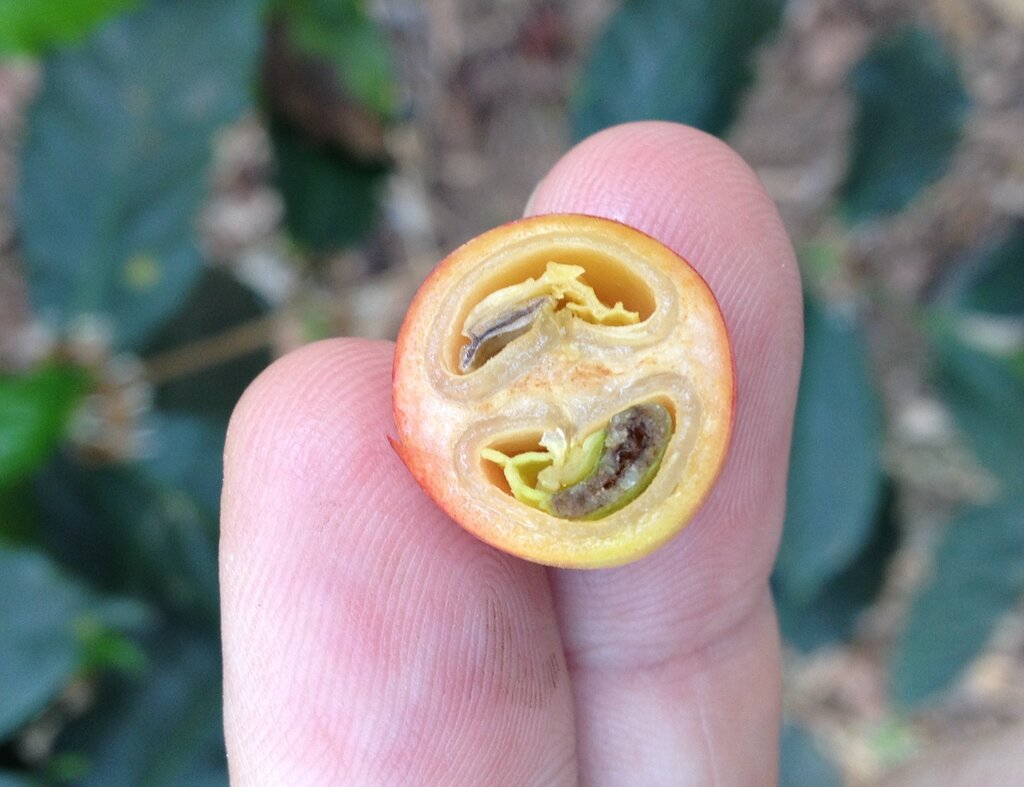
2. Fruit Development: Once pollinated, the flowers fall off and a small, green node is left behind. This is the beginning of the coffee cherry. Over the next several months, this cherry will slowly grow and mature.
3. Ripening: The green cherry eventually ripens, turning a bright, glossy red. Some varieties turn yellow or orange. This signals that the seeds inside, the coffee beans, are ready for harvest. Because cherries on the same plant ripen at different times, harvesting is often done by hand.
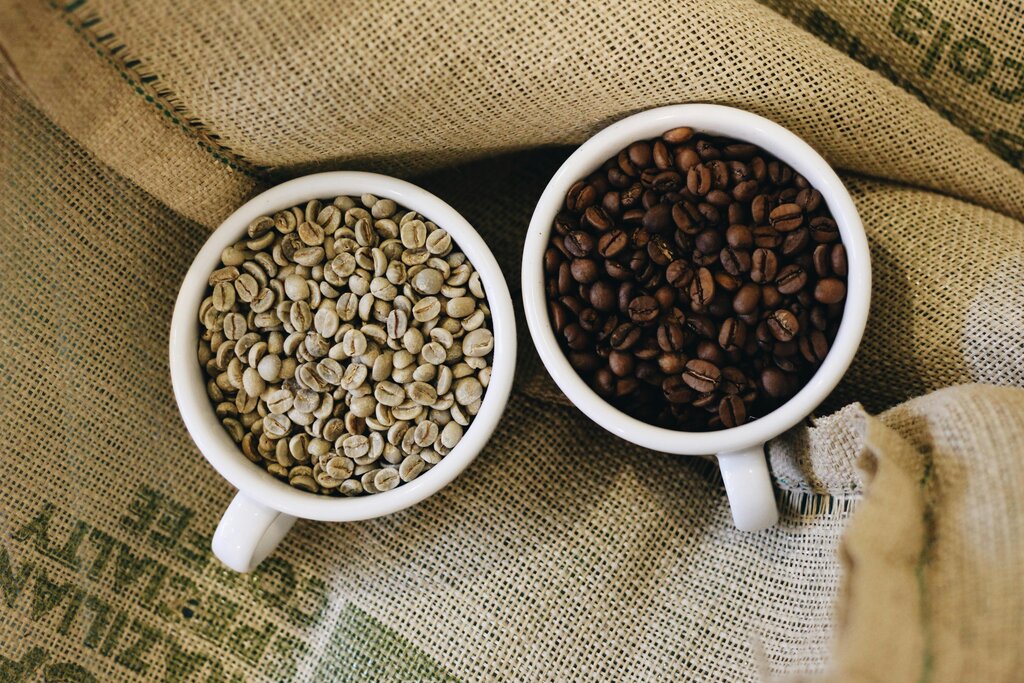
4. Harvesting and Processing: After picking, the fruit is processed to remove the outer layers and get to the seed, or bean. The bean is then dried. This unroasted bean is known as "green coffee."
The Perfect Home
Not just any environment will do for growing coffee. The best coffee comes from a region known as the "Bean Belt." This is a band that circles the globe between the Tropics of Cancer and Capricorn. Countries like Brazil, Vietnam, Colombia, and Ethiopia are major coffee producers because their climates are ideal.
Within this belt, the best coffees, especially Arabica, require a specific set of conditions:
- High Altitudes: Elevation between 600 and 2000 meters provides the mild temperatures coffee plants need.
- Rich Soil: Volcanic soil is particularly good for coffee cultivation, as it is fertile and well-draining.
- Stable Temperatures: Coffee plants prefer a consistent climate without extreme heat or frost. An average temperature between 15-24°C (60-75°F) is ideal.
- Distinct Rainy and Dry Seasons: Abundant rain helps the cherries develop, while a dry season is needed for harvesting and drying the beans.
These factors work together to create the complex flavors that coffee is famous for.
Now that you understand where coffee comes from and what makes each type unique, let's test your knowledge.
The vast majority of the world's coffee production comes from which two species of the Coffea genus?
If a coffee farmer is growing crops at a high altitude of 1,500 meters in rich volcanic soil, which type of coffee are they most likely cultivating?
From the specific species to the climate it's grown in, every step in the plant's life shapes the final cup. This botanical foundation is key to appreciating the diversity of the coffee world.