The Art and Science of Carpet Making
Origins of Carpet Making
The First Floor Coverings
Long before plush carpets, early humans used animal hides to soften the hard ground of their shelters. But as agriculture and settled life took hold, people developed new skills. One of the most important was weaving. By interlacing fibers from plants and animals, they created textiles for clothing, bags, and eventually, floor coverings.
The earliest woven textiles were simple, functional mats made from reeds or grasses. The transition to more complex carpets was a gradual one, driven by the availability of new materials and the desire for greater comfort and beauty. Three materials, in particular, shaped the early history of carpet making: linen in Egypt, wool in Central Asia, and silk in China.
Linen Carpets of the Nile
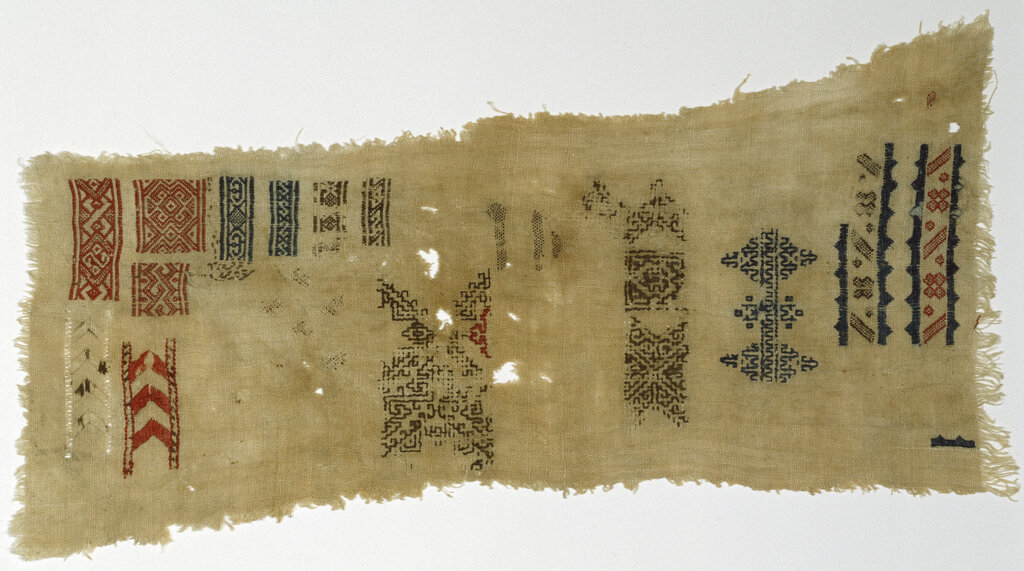
In ancient Egypt, the flax plant thrived along the fertile banks of the Nile River. Egyptians became masters at cultivating flax and spinning its fibers into linen thread. While most famous for the linen used to wrap mummies and create lightweight clothing suitable for the hot climate, they also wove this material into floor coverings.
These linen carpets were not the thick, piled rugs we know today. They were more like heavy tapestries or flatweaves. Evidence found in tombs suggests they were used by royalty and the wealthy, adding a layer of comfort and decoration to palaces and homes. The patterns were often geometric or depicted scenes from mythology and daily life.
Wool Rugs of the Steppes
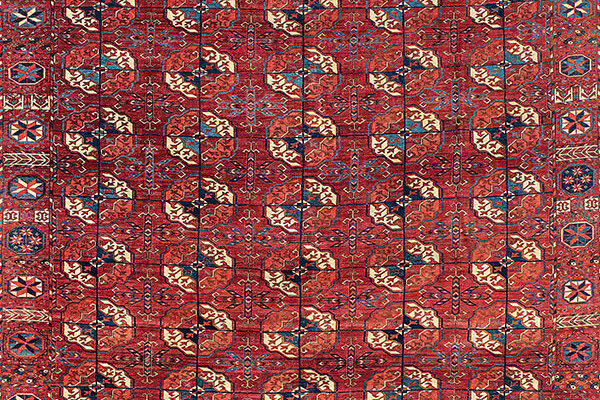
Far from the hot sands of Egypt, the nomadic peoples of Central Asia's vast grasslands developed a very different kind of carpet. Their lives revolved around herding sheep, which provided an abundant supply of wool. This fiber was perfect for their needs: warm, durable, and easy to dye.
Nomads created piled carpets that were both practical and beautiful. These rugs insulated their portable homes, called yurts, from the harsh cold. They were also easily rolled up and transported during seasonal migrations. The oldest surviving piled carpet in the world, the Pazyryk Carpet, was discovered frozen in a Siberian tomb and dates back to the 5th century BCE. Its incredible preservation and sophisticated design show that carpet weaving was already a highly advanced art form.
The Pazyryk Carpet's dense knotting, around 232 knots per square inch, indicates a long tradition of established weaving techniques, not the work of a beginner.
The Luxury of Chinese Silk
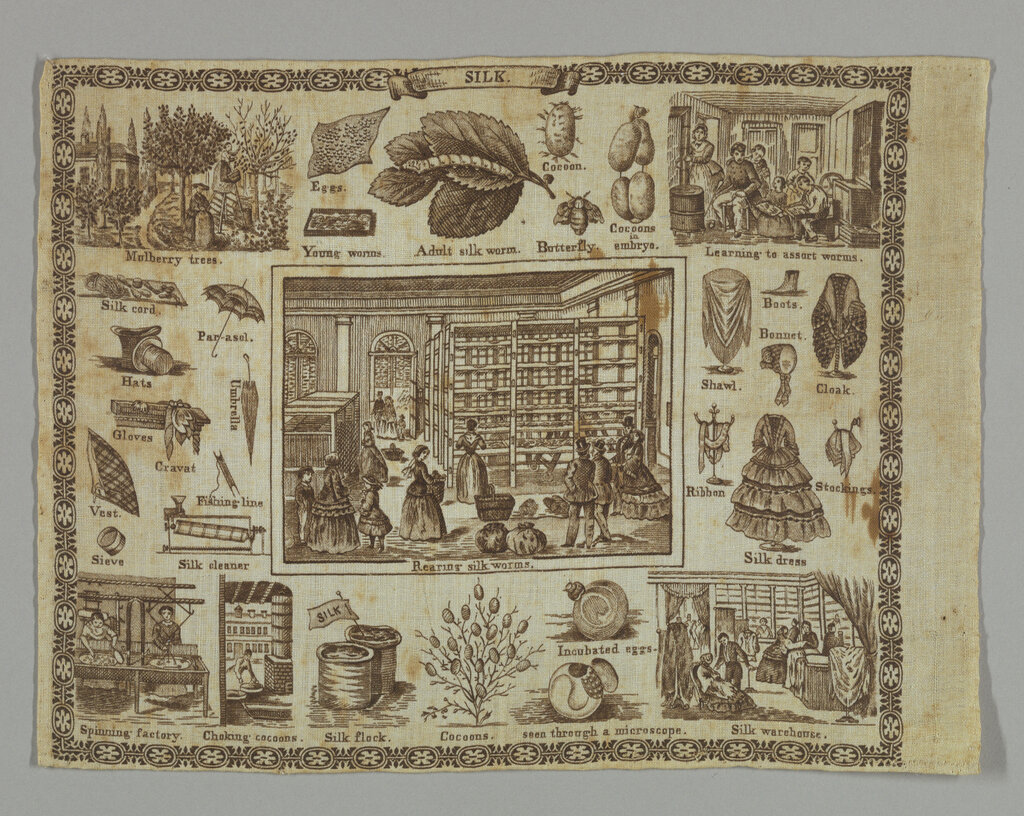
In China, weavers had access to a unique and highly prized material: silk. Produced by silkworms, this fiber was renowned for its softness, strength, and lustrous sheen. For centuries, the Chinese carefully guarded the secret of silk production, making it one of the most valuable commodities in the ancient world.
Chinese carpets were emblems of power and status. They were woven for the imperial court and noble families, often featuring intricate designs of dragons, phoenixes, and delicate floral patterns. Unlike the utilitarian wool rugs of the nomads, silk carpets were pure luxury items, meant to display wealth and sophistication. Their creation required immense skill and countless hours of labor.
Across these ancient cultures, the basic technology of the loom was adapted to fit local materials and needs. Weavers developed different knotting techniques, like the symmetrical Turkish (Ghiordes) knot and the asymmetrical Persian (Senneh) knot, which allowed for varying textures and design complexities. Carpets became more than just floor coverings; they were works of art, storybooks of cultural identity, and treasured possessions passed down through generations.
The early history of carpet making is a story of human ingenuity. It shows how different societies, using the resources around them, independently developed a craft that brought warmth, color, and comfort into their lives.