The Art and Science of Being a Barista
Introduction to Coffee
The Story of Coffee
The journey of coffee begins long before it reaches your cup. Legend traces its discovery back to the 9th century in the highlands of Ethiopia, where a goat herder named Kaldi noticed his flock became unusually energetic after eating red berries from a particular tree. He tried the berries himself and felt a similar stimulating effect.
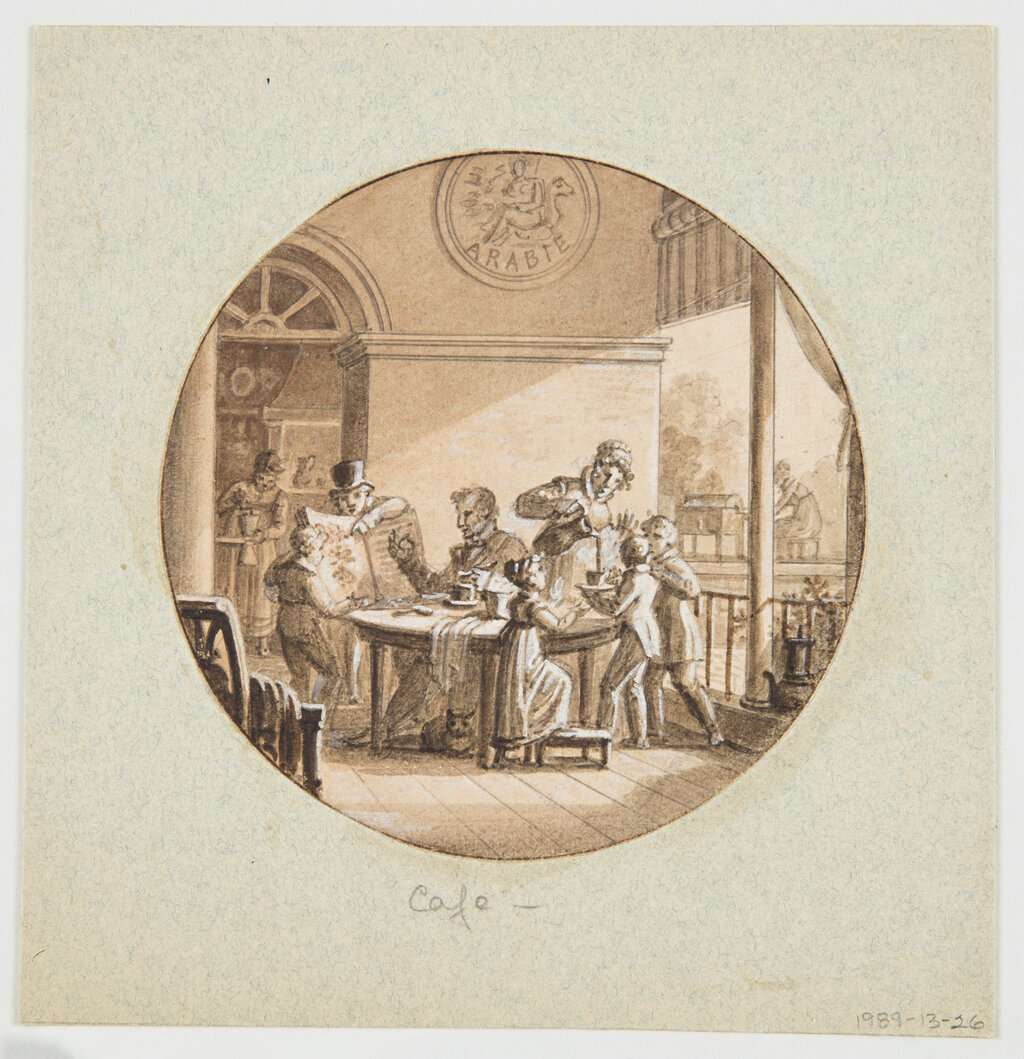
From these origins in Africa, coffee cultivation and trade spread to the Arabian Peninsula. By the 15th century, it was being grown in Yemen, and by the 16th, it had reached Persia, Egypt, Syria, and Turkey. Coffee wasn't just a beverage; it was a social catalyst, enjoyed in public coffee houses that became hubs of conversation and intellectual exchange.
From Seed to Cherry
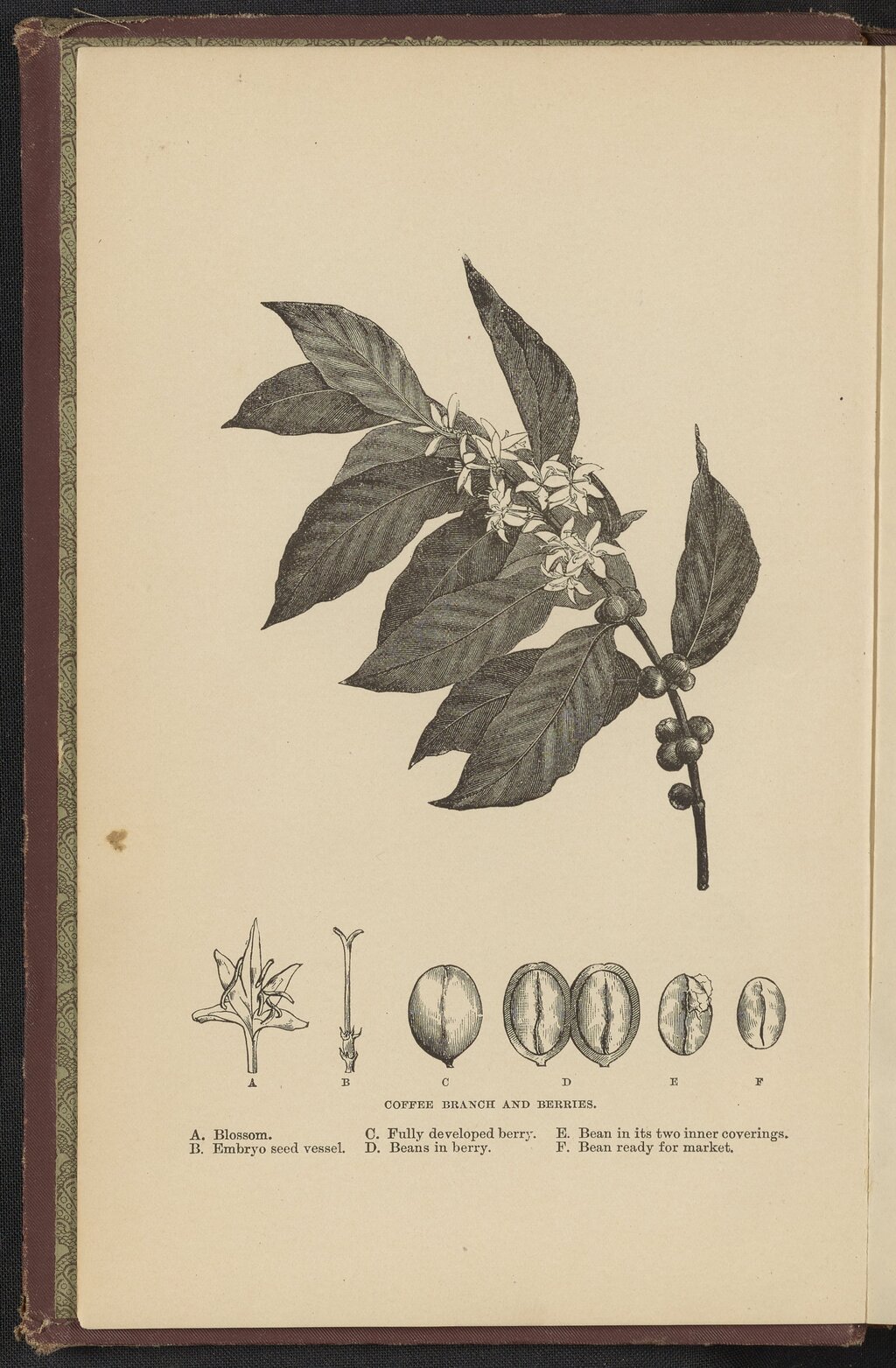
Coffee starts its life as a seed, which we call a bean. When planted, it grows into a shrubby plant with glossy, dark green leaves. The two most famous coffee species are Coffea arabica (Arabica) and Coffea canephora (Robusta). Arabica beans are prized for their complex, aromatic flavors and thrive at high altitudes. Robusta beans have a stronger, more bitter taste and a higher caffeine content, and they are hardier plants that can grow in hotter climates.
After three to four years, the coffee plant begins to produce fragrant, white flowers that resemble jasmine. Once these flowers fall off, they are replaced by small green cherries. Over several months, these cherries ripen, turning a bright, deep red. Inside each cherry are typically two seeds—the coffee beans.
Coffee plants need specific conditions to flourish. They grow best in the equatorial region between the Tropics of Cancer and Capricorn, an area often called the "Bean Belt." Countries within this belt, from Latin America to Africa and Asia, have the right combination of altitude, rainfall, and temperature for coffee cultivation.
The Harvest and Beyond
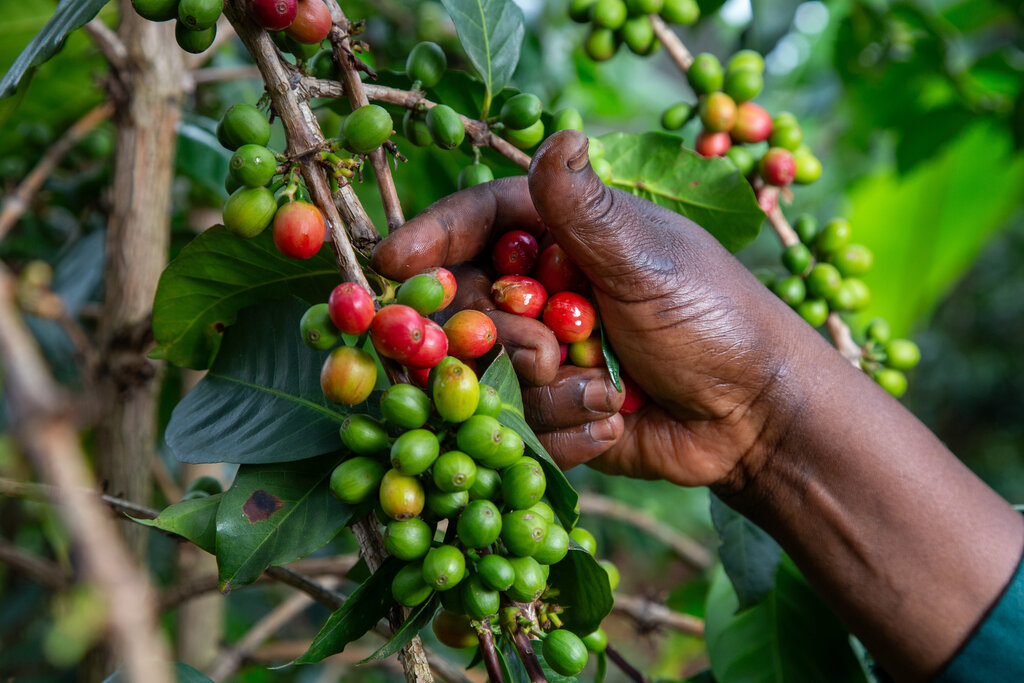
Harvesting coffee is a labor-intensive process because the cherries on a single branch don't all ripen at the same time. There are two main approaches to picking them.
Strip Picking: The entire branch is stripped of its cherries at once, either by hand or machine. This method is fast but results in a mix of ripe, under-ripe, and overripe cherries.
Selective Picking: Only the ripe, red cherries are picked by hand. Harvesters must return to the same plant multiple times. This method yields higher quality beans but is much more costly.
Once picked, the cherries must be processed quickly to prevent spoilage. This crucial step removes the fruit pulp surrounding the bean and has a major impact on the coffee's final flavor. The three most common methods are the dry, wet, and honey processes.
| Method | Process | Flavor Profile |
|---|---|---|
| Dry (Natural) | Cherries are spread out to dry in the sun for weeks. | Fruity, sweet, heavy-bodied. |
| Wet (Washed) | The fruit pulp is scrubbed off with water before drying. | Clean, bright, acidic, lighter body. |
| Honey | Pulp is removed, but a sticky layer of mucilage is left on during drying. | A balance of the two: sweet like natural, clean like washed. |
After processing and drying, the beans are known as "green coffee." They are sorted, graded, and bagged for export to roasters around the world. This is where the next stage of their transformation begins, turning them from a raw agricultural product into the aromatic, brown beans we all recognize.
Ready to test your knowledge?
According to legend, coffee was first discovered by a goat herder in which country?
Which statement accurately describes a key difference between Arabica and Robusta coffee?