The Architecture of Self Mastery
Cognitive Resistance Identification
The Opponent in the Mirror
In boxing, you learn to read your opponent. You anticipate their moves and control the ring. But the toughest opponent isn't across from you; it's inside your own head. It's the voice that urges you to drop your hands when you're tired, to skip roadwork when it's cold, or to put off a tough sparring session.
This is cognitive resistance. It’s a mental flinch, a subconscious pull away from anything that feels hard, uncomfortable, or uncertain. It’s not a failure of character. It’s a biological mechanism, your brain’s reflexive attempt to keep you safe and conserve energy. The first step to self-mastery is learning to spot this flinch, to see the resistance for what it is. The goal isn't to eliminate it, but to create a gap between the impulse to quit and the action of quitting.
Your Brain's Default Setting
Your brain is wired for survival, which often means taking the path of least resistance. This drive for homeostasis—maintaining a stable, comfortable state—is a powerful force. Difficult tasks disrupt this equilibrium, demanding energy and pushing you into uncharted territory. Your brain flags this as a potential threat.
This can trigger an , where your emotional brain takes over before your rational brain can weigh in. When you even think about that difficult project or conversation, your amygdala might sound the alarm. This flood of stress hormones creates a powerful feeling of dread or anxiety, making avoidance feel like a perfectly logical escape. Procrastination, then, isn't just laziness; it's often a subconscious strategy to manage these uncomfortable emotions.
Resistance is a biological signal, not a personal failing. Learn to listen to it without obeying it.
Unmasking Your Biases
Two specific cognitive biases are often the cornerstones of resistance. The first is , our tendency to overvalue immediate rewards at the expense of long-term goals. Your brain prefers the small, certain dopamine hit from checking your phone now over the larger, abstract reward of completing a project later. The future is uncertain, but the comfort of the present is guaranteed.
Second is the 'affective forecasting' error. We are terrible at predicting how we will feel in the future. We often overestimate the pain or boredom of a challenging task and underestimate our ability to handle it. The dread you feel before starting is almost always worse than the reality of doing the work. This faulty emotional forecast makes avoidance seem like the only sensible choice.
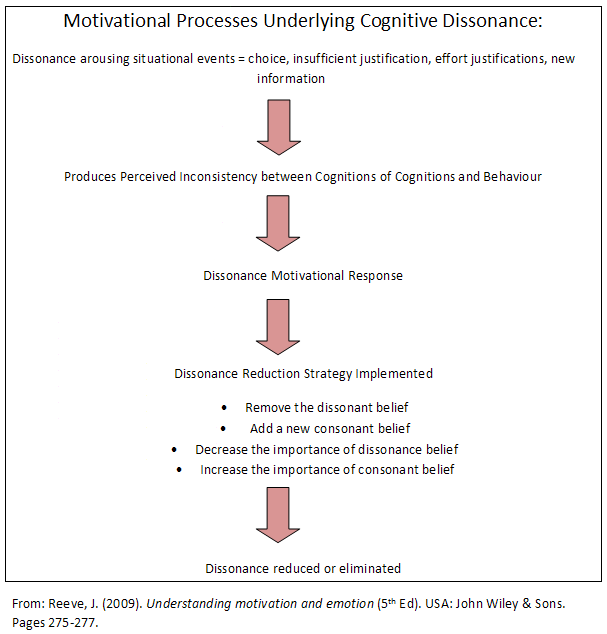
From Flinching to Facing
Once you can identify resistance, you can begin to work with it. The key is cognitive reframing: changing the narrative around discomfort. Instead of interpreting the urge to procrastinate as "This is too hard," you can reframe it as, "This is the feeling of growth." It's the mental equivalent of leaning into a punch.
To do this effectively, you need data. Start a simple resistance journal. When you feel the pull to avoid a task, take 60 seconds to note what’s happening. This isn't about judgment; it's about pattern recognition.
| Prompt | Your Observation |
|---|---|
| Task I'm Avoiding | Writing the weekly report |
| Trigger | Opening the blank document |
| Physical Sensation | Tightness in my chest |
| Emotion | Dread, overwhelm |
| Resistant Thought | "I don't know where to start." |
| Avoidance Action | Decided to check email instead |
Over time, this log will reveal your specific patterns. You'll see which triggers, emotions, and thoughts consistently lead you off track. This awareness is the gap. It's the moment where you can see the mental flinch and choose to hold your ground instead of backing away.
Ready to test your ability to spot your inner opponent?
According to the text, what is the primary goal when dealing with cognitive resistance?
You dread starting a difficult assignment, believing it will be unbearably boring and painful. However, once you begin, you find it's not nearly as bad as you imagined. This is a classic example of:
Recognizing these patterns is the first and most critical step. By observing your resistance without judgment, you take away its power and put yourself back in control of the match.