The Archetypal Swampland
Introduction to Archetypes
Universal Blueprints
Have you ever noticed how certain characters and situations feel instantly familiar, no matter the story? The brave hero on a quest, the wise old mentor offering guidance, the trickster causing chaos. These recurring patterns aren't a coincidence. They are examples of archetypes.
Archetypes are universal, archaic symbols and images that derive from the collective unconscious.
Think of them as original models or blueprints for human experience. Swiss psychiatrist Carl Jung, who developed the concept, believed these patterns are inherited and shared by all people, regardless of their culture or personal history. They are the fundamental building blocks of our stories, myths, and even our dreams.
Archetype
noun
A universally understood symbol, term, or pattern of behavior; a prototype upon which others are copied, patterned, or emulated.
The Collective Unconscious
So where do these universal blueprints come from? Jung proposed they exist in what he called the collective unconscious. This isn't your personal subconscious, which holds your own forgotten memories and experiences. Instead, the collective unconscious is a deeper layer of the psyche, a sort of shared mental inheritance that connects all of humanity.
Imagine it as a vast, ancient library of human experience that everyone is born with. It’s filled with the instincts and memories of our ancestors, which express themselves as archetypes.
This shared psychic foundation explains why people from completely different parts of the world can create myths with strikingly similar themes and characters. They are all drawing from the same universal well of human experience.
Archetypes in Our Stories
Myths, legends, and modern stories are rich with archetypal figures and plots. These timeless patterns make narratives feel resonant and meaningful because they tap into something deep within us. The hero who leaves home, faces trials, and returns transformed is a story told in countless forms across cultures, from ancient epics to modern movies.
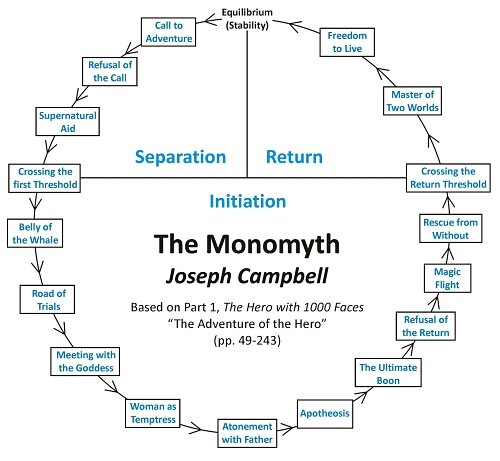
Recognizing these archetypes helps us see the underlying structure of stories. It shows us that while the details may change—a lightsaber instead of a sword, a spaceship instead of a horse—the core human journey remains the same. These shared narratives connect us to our past and to each other.
A Path to Self-Knowledge
Beyond literature, archetypes play a crucial role in psychology. Jung believed that these patterns influence our behavior and perceptions. By becoming aware of the archetypes active in our own lives, we can better understand our motivations, our strengths, and our challenges.
By becoming conscious of archetypal patterns in our lives, we can better understand our motivations, recognize our shadows, and work toward what Jung called "individuation"—the process of becoming psychologically whole and integrated.
For instance, we might recognize the 'Caregiver' archetype in our desire to help others, or the 'Explorer' in our thirst for new experiences. Understanding these underlying forces helps us navigate our own life's journey with greater awareness. They provide a map to our inner world, helping us make sense of who we are.
Let's review what we've learned about these foundational concepts.
Who is credited with developing the concept of archetypes as universal, inherited patterns?
According to Jung's theory, what is the 'collective unconscious'?
Understanding these universal patterns is the first step toward analyzing their specific manifestations in the symbols and stories that shape our world.