The Anthropology of Autotelic Athletics Through Time
Introduction to Autotelic Athletics
The Joy of the Game
Why do we play sports? For many, the answer involves trophies, salaries, or recognition. But there's a deeper, more fundamental reason people run, jump, and throw: for the sheer enjoyment of the activity itself. This is the core of autotelic athletics.
The word 'autotelic' comes from two Greek roots: auto (self) and telos (goal). An autotelic activity is one where the purpose is the activity itself. You're not doing it to get something else later. The reward is the experience of doing it.
autotelic
adjective
Having a purpose in and not apart from itself. An activity is autotelic when it is done for its own sake rather than for some external reward.
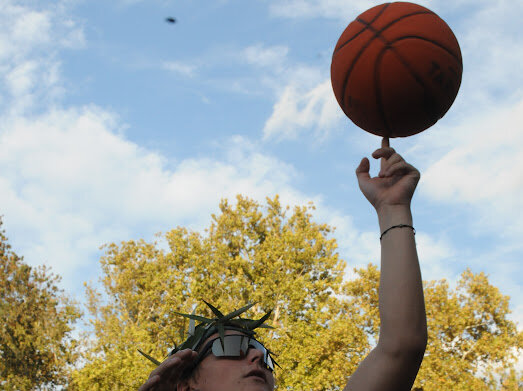
Think of a pickup basketball game in a park, a jogger running through the woods at sunrise, or a surfer catching a wave. There are no medals or contracts on the line. The experience is the prize. The satisfaction comes from the movement, the challenge, and the focus required.
Finding Your Flow
The psychological state most associated with autotelic activities is called 'flow'. Coined by psychologist Mihaly Csikszentmihalyi, flow is a state of complete immersion in an activity. When you're in flow, you feel strong, alert, and in effortless control. Your sense of time can become distorted, with hours feeling like minutes. Self-consciousness vanishes.
Athletes often describe this as being 'in the zone'. It’s that perfect moment when your skills are perfectly matched to the challenge at hand. The task isn't so easy that you get bored, nor is it so difficult that you become anxious. It’s the sweet spot where performance and enjoyment peak.
This state isn't accidental. It arises when there are clear goals, immediate feedback, and a deep, focused concentration. In sports, the goals are obvious: get the ball in the hoop, cross the finish line, stick the landing. The feedback is instant: you see the ball go in, you feel your pace quicken, you land on your feet. This constant loop of action and feedback keeps you locked into the present moment, which is the essence of flow.
In the flow state, action and awareness merge. You stop thinking about what you are doing and simply do it.
Play Through the Ages
The idea of playing for its own sake is as old as humanity itself. Long before organized leagues and professional sports, physical activities were deeply woven into the fabric of daily life and culture.
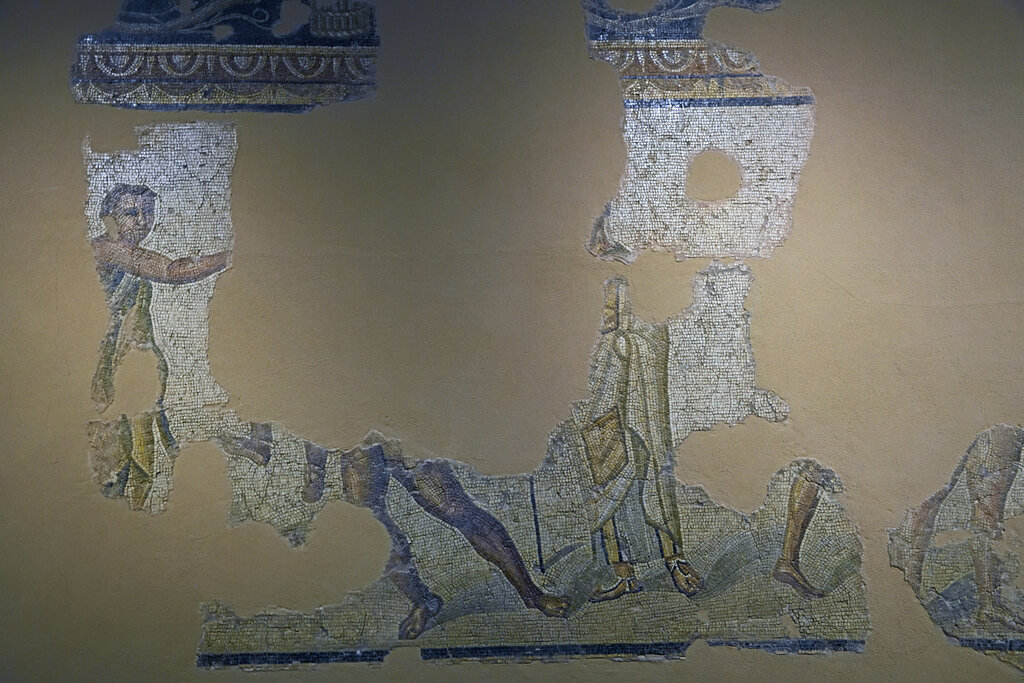
Consider the ancient Greeks. While the Olympic Games involved prizes and glory, they grew out of a broader culture that valued physical excellence and competition as expressions of human potential. The gymnasium was a place for citizens to exercise, socialize, and engage in physical activity for health and well-being, not just for competition.
Similarly, indigenous games around the world often had spiritual or social purposes rather than purely competitive ones. For example, the Tarahumara people of Mexico are renowned for their long-distance running games, which are as much about community endurance and tradition as they are about winning. The activity itself reinforces cultural bonds and personal identity.
These historical examples show that the autotelic impulse—the drive to move, compete, and play for intrinsic satisfaction—is a timeless part of the human experience. It's the foundation upon which all modern sports were built.