The Ancient History of Chia Seeds
Introduction to Chia Seeds
What Are Chia Seeds?
Chia seeds are the tiny, edible seeds from a flowering plant called Salvia hispanica. This plant is part of the mint family and is native to central and southern Mexico and Guatemala. The seeds themselves are small and oval, usually a mix of black, gray, and white.
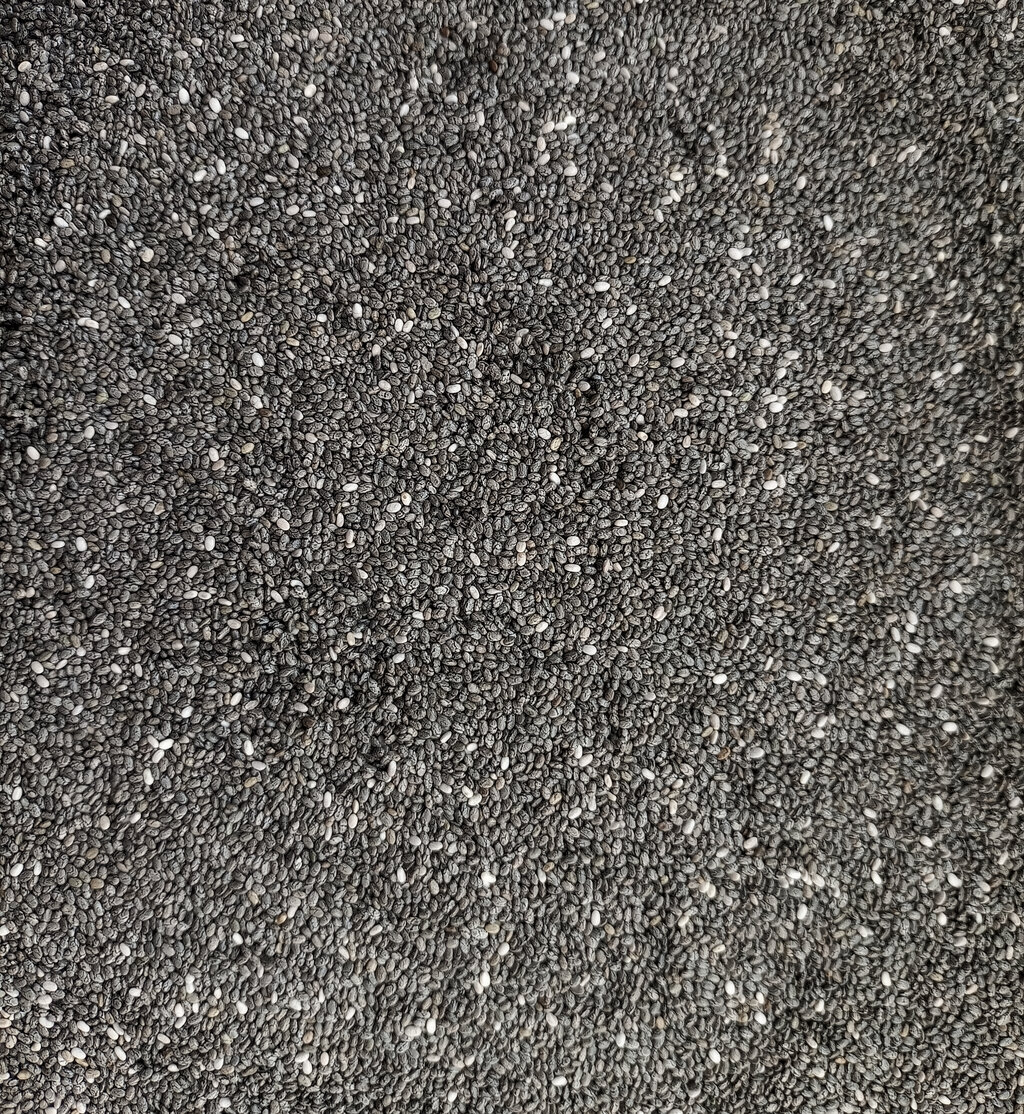
Though they look unassuming, these seeds pack a significant nutritional punch.
A Tiny Nutritional Powerhouse
Chia seeds are loaded with nutrients. They are an excellent source of omega-3 fatty acids, particularly alpha-linolenic acid (ALA), which is important for heart health. They're also rich in protein and several essential minerals, including calcium, phosphorus, and magnesium.
Chia seeds are one of the best sources of soluble fiber, the type of fiber that helps slow down digestion and balance blood sugar.
This high fiber content is what gives chia seeds one of their most interesting properties.
Just Add Water
Chia seeds are highly hydrophilic, which means they are attracted to water. They can absorb up to 12 times their own weight in liquid. When you soak them, they form a thick, gel-like coating.
This gel is a form of soluble fiber. It's what makes chia pudding thick and gives a unique texture to drinks and smoothies.
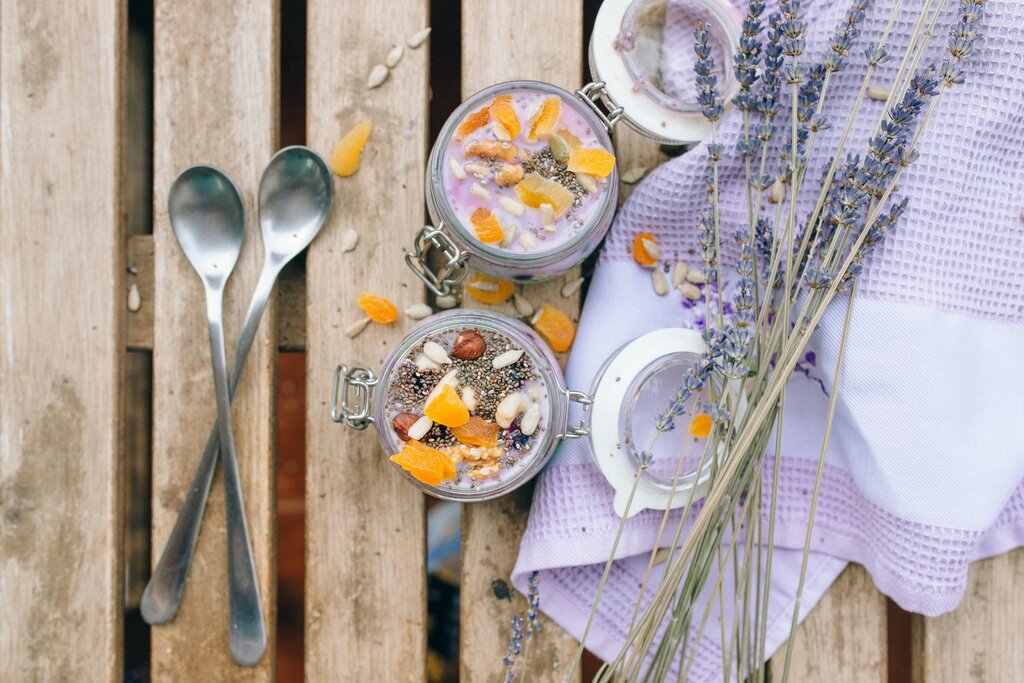
This ability to absorb liquid and form a gel is not just a neat kitchen trick; it also plays a role in how your body digests the seeds, helping you feel full longer.
Ready to check your understanding?
The plant that produces chia seeds, Salvia hispanica, belongs to which plant family?
Chia seeds are considered hydrophilic, which means they can absorb a significant amount of liquid. How much liquid can they absorb relative to their own weight?
Understanding these basic properties is the first step to seeing why chia has become such a popular ingredient.