The Ancient Art of Yi Jin Jing
Introduction to Yi Jin Jing
The Muscle-Tendon Change Classic
Beyond typical stretching or strength training lies a system of movements designed to transform the body from the inside out. This practice is called Yi Jin Jing, which translates to the 'Muscle-Tendon Change Classic.' It's a form of Qigong, a traditional Chinese mind-body practice that uses slow, deliberate movements, meditation, and breathing exercises to improve health.
Unlike exercises that focus only on building muscle mass, Yi Jin Jing targets the tendons, ligaments, and other connective tissues. The goal is to make these tissues strong and supple, increasing flexibility and power in a way that feels both energizing and deeply grounding.
Ancient Roots
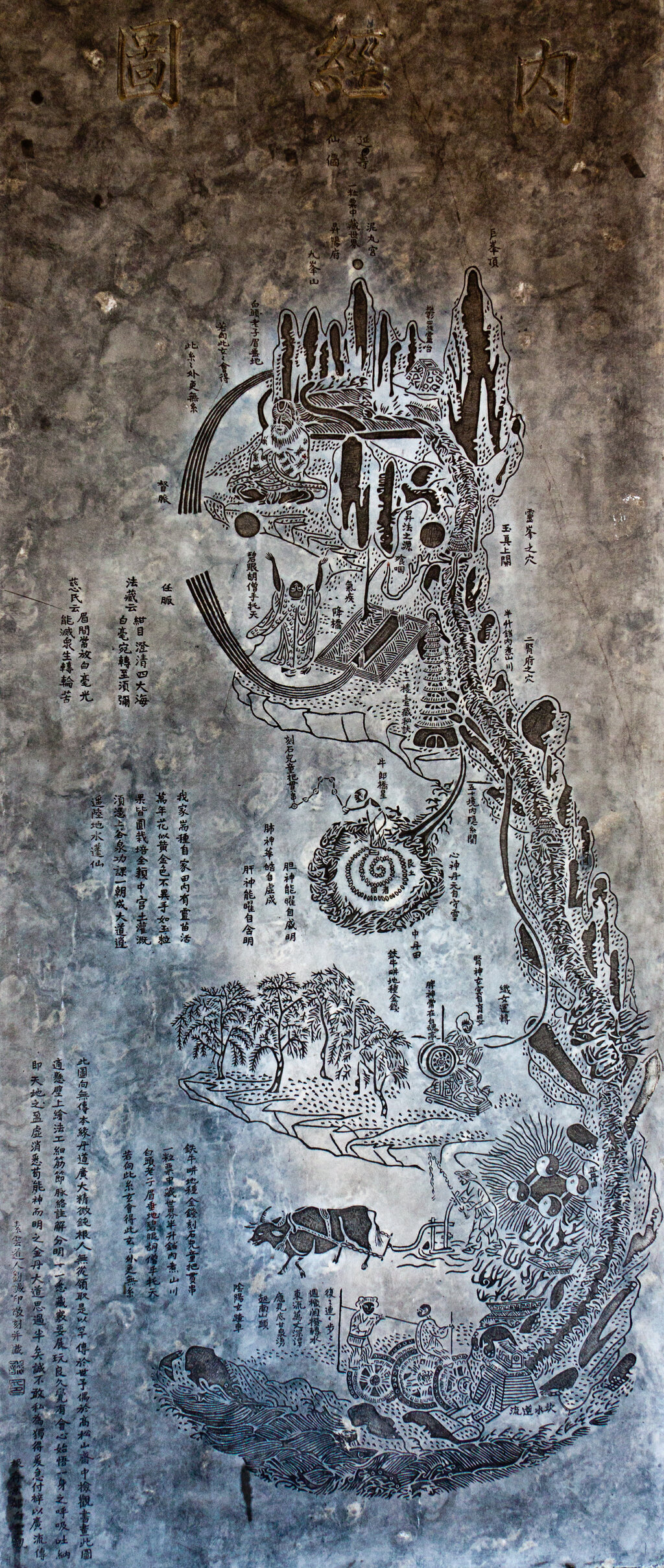
The origins of Yi Jin Jing are woven into legend, most commonly traced back to the 5th century and an Indian monk named Bodhidharma. As the story goes, Bodhidharma traveled to the Shaolin Temple in China, where he found the monks were physically weak from long hours of stationary meditation.
To help them build strength and vitality, he is said to have developed a series of exercises. These movements were designed to fortify their bodies, enabling them to withstand the rigors of both meditation and martial arts training. Over centuries, these exercises were refined by generations of Shaolin monks into the practice we know today as Yi Jin Jing.
Mind, Body, and Energy
At its heart, Yi Jin Jing is more than just physical movement. It's a practice built on the core principle of integrating the mind, body, and breath. Each posture is performed with focused intention, turning the exercise into a form of moving meditation. The aim is to cultivate and circulate Qi, or vital life energy.
Qi
noun
In traditional Chinese culture, the vital life force or energy that flows through all living things.
According to this philosophy, a smooth and abundant flow of Qi leads to health, while blockages or deficiencies can result in illness or weakness. The movements of Yi Jin Jing are designed to stretch and open the body's energy channels, or meridians, allowing Qi to flow freely. This nourishes the organs and strengthens the muscles and tendons, creating a foundation of robust health.
Benefits of Practice
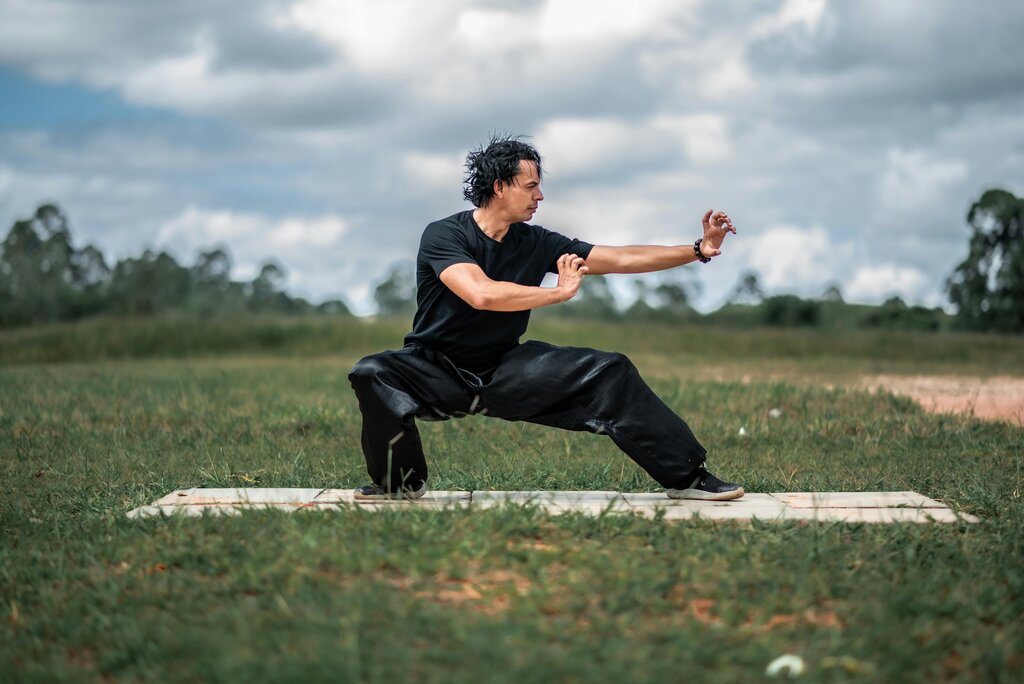
Regular practice of Yi Jin Jing offers a wide range of health benefits that touch on both physical and mental well-being. By focusing on the connective tissues, the practice dramatically improves flexibility and joint mobility. It also builds functional strength that supports everyday movements and athletic performance.
The slow, mindful movements combined with deep breathing have a powerful calming effect on the nervous system, helping to reduce stress and improve mental clarity.
Practitioners often report improved posture, better balance, and an overall feeling of vitality. It’s a holistic system for strengthening the body, calming the mind, and cultivating a deeper sense of internal energy and well-being.