The American Civil War Explained
Antebellum America
Two Americas
In the decades before the Civil War, the United States was less a single nation and more like two distinct countries sharing a border. The North and the South were on fundamentally different paths, driven by opposing economic systems.
The North was in the midst of an industrial boom. Factories manufacturing textiles, tools, and other goods dotted the landscape of New England and the Mid-Atlantic. This economy ran on wage labor. Immigrants, primarily from Ireland and Germany, poured into bustling cities like New York, Philadelphia, and Boston, seeking work and opportunity. Canals and railroads were built to connect these growing urban centers, creating a dynamic, integrated economy.
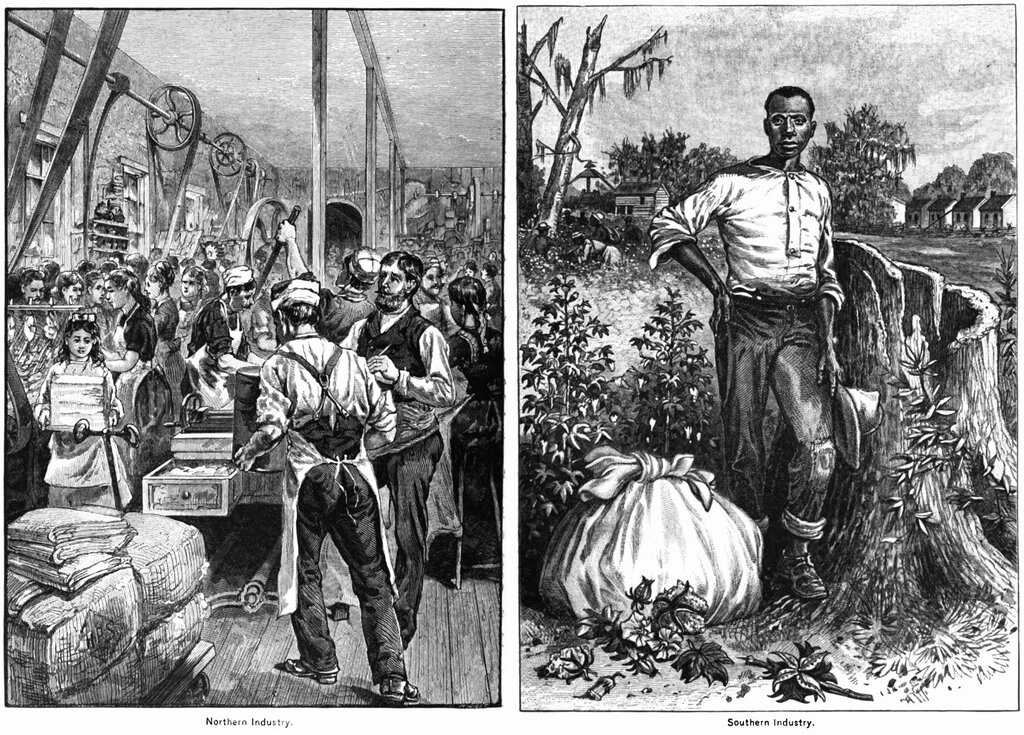
The South, meanwhile, remained overwhelmingly agricultural. Its economy was dominated by large plantations that grew cash crops—especially cotton, but also tobacco and sugar. This entire system was built on the institution of chattel slavery. The wealth and power of the Southern elite depended directly on the forced labor of millions of enslaved African Americans. Unlike the North, the South had few large cities or industrial centers, and its transportation network was less developed.
Diverging Societies
These economic realities created two very different social structures. Northern society was more fluid. While wealth inequality was stark, the industrial economy created a growing middle class of merchants, lawyers, and skilled workers. The ideal of social mobility, the belief that one could improve their station through hard work, was a powerful force. This environment also fostered reform movements, including a growing abolitionist movement that called for an immediate end to slavery.
Southern society was rigid and hierarchical. At the top was a small, elite class of wealthy planters who owned most of the land and enslaved people. They controlled the region's politics and economy. Below them were small, independent white farmers, who might own a few enslaved people or none at all. At the very bottom were the enslaved, who were considered property and had no rights. This rigid structure left little room for social change or economic diversity.
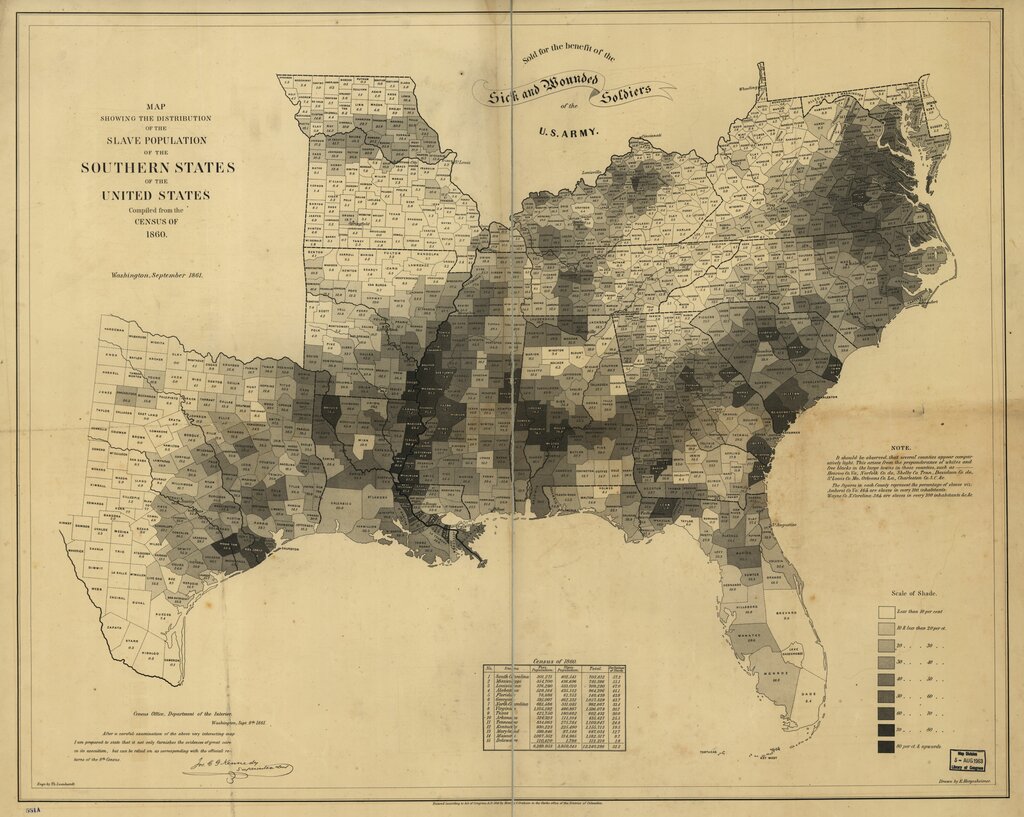
The economies were so different that they produced opposing views on nearly every major political issue, from tariffs to the role of the federal government.
An Uneasy Balance
As the United States expanded westward, the central political question became: would the new territories allow slavery? The answer was critical because it determined the balance of power in Congress. Each new state meant two more senators. For decades, politicians tried to maintain an equal number of free and slave states to keep either side from dominating the federal government.
The first major crisis came in 1819 when Missouri applied for statehood as a slave state. This would have tipped the balance of power in the Senate. After heated debate, Congress reached the Missouri Compromise of 1820. It was a delicate balancing act.
The Missouri Compromise had three main parts:
- Missouri was admitted as a slave state.
- Maine was admitted as a free state, restoring the balance.
- Slavery was prohibited in the rest of the Louisiana Purchase lands north of the latitude 36°30′.
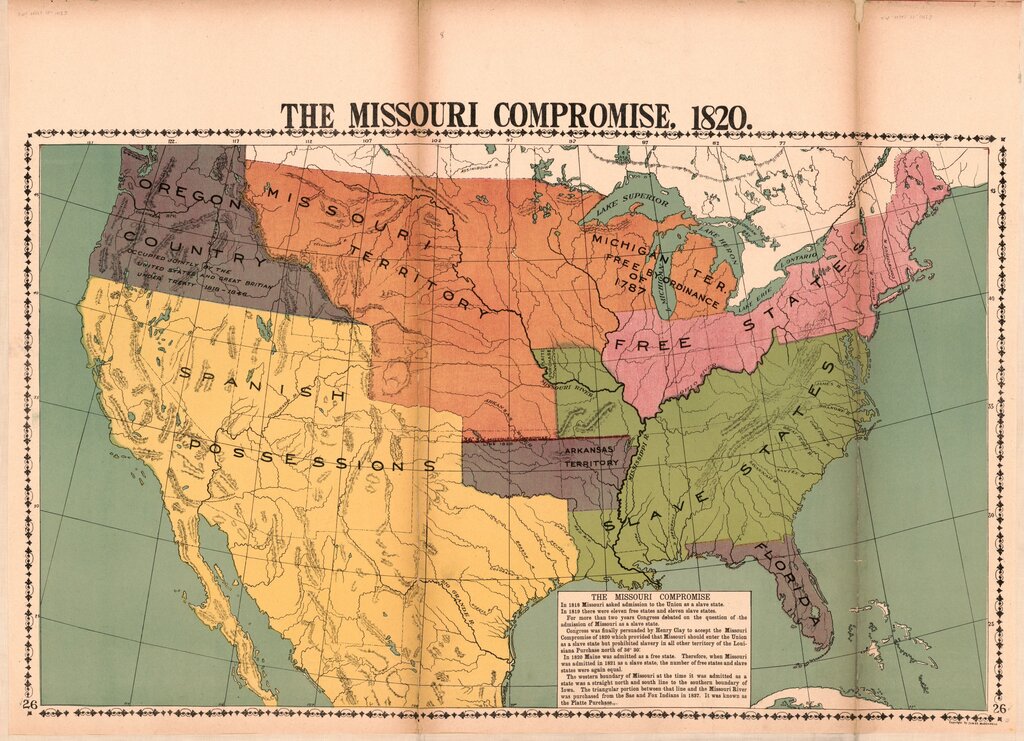
This compromise held the Union together, but it didn't solve the underlying conflict. The issue erupted again after the Mexican-American War in the 1840s added vast new territories in the Southwest. The question of slavery's expansion was back on the table, leading to another frantic effort to find a solution.
The result was the Compromise of 1850, a package of five separate bills. Its key provisions included admitting California as a free state and allowing the territories of Utah and New Mexico to decide for themselves whether to permit slavery, a principle known as popular sovereignty. To appease the South, the compromise also included a much stricter Fugitive Slave Act, which required citizens in free states to assist in the capture and return of escaped slaves.
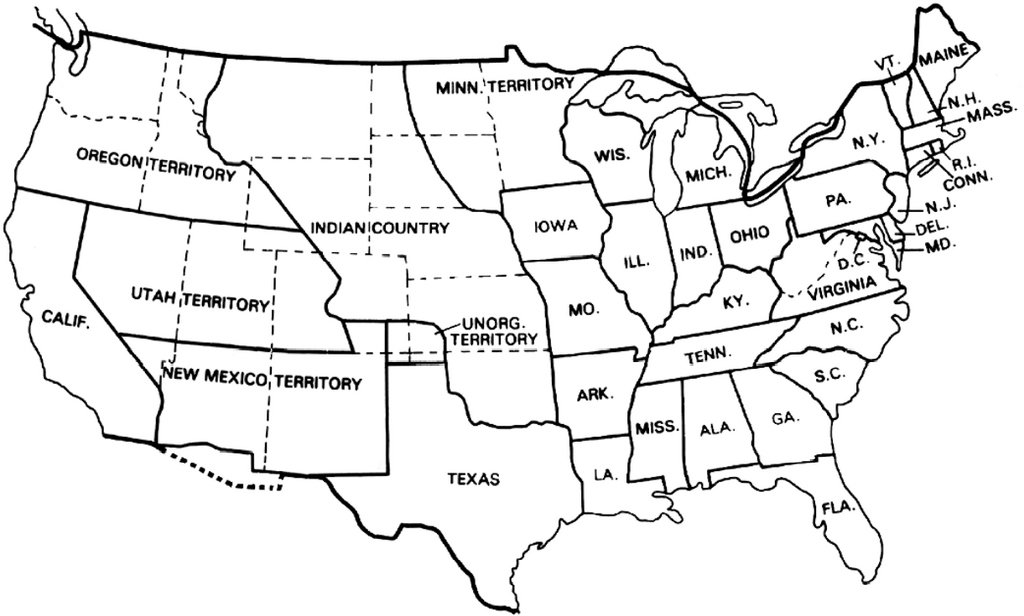
Like the Missouri Compromise before it, the Compromise of 1850 was a temporary fix. It quieted the immediate crisis but deepened the divide. The Fugitive Slave Act, in particular, outraged many Northerners and only strengthened the abolitionist cause. The fragile peace it created would not last long.
Let's test your knowledge of this critical period in American history.