The Amazon Rainforest
Amazon Rainforest Overview
A Forest Spanning a Continent
The Amazon isn't just a forest; it's a vast, green ocean of trees covering a huge portion of South America. It stretches across nine different countries, with the majority of it—about 60%—lying within Brazil. Significant parts also extend into Peru, Colombia, Venezuela, Ecuador, Bolivia, Guyana, Suriname, and French Guiana.
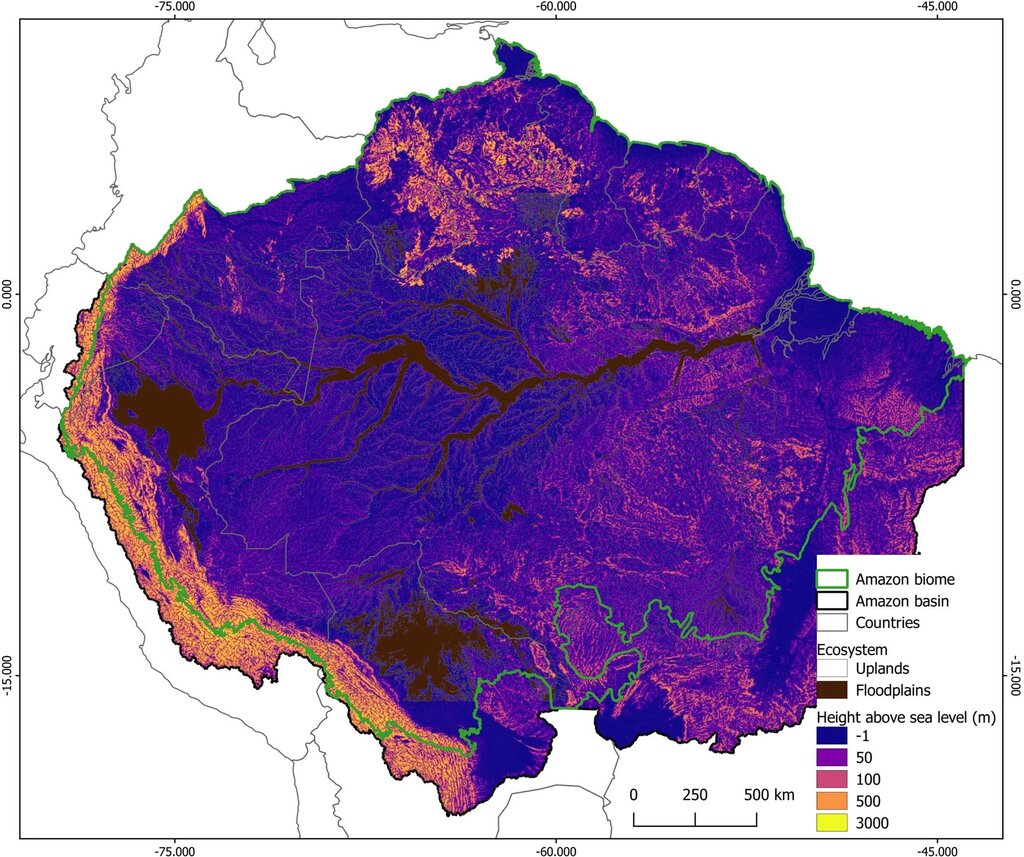
This immense region is defined by the Amazon River and its countless tributaries. It's not one single ecosystem but a mosaic of different landscapes, from dense upland forests to seasonally flooded plains known as várzeas. The sheer scale is hard to grasp—if the Amazon were a country, it would be the ninth largest in the world.
The River That Feeds the Forest
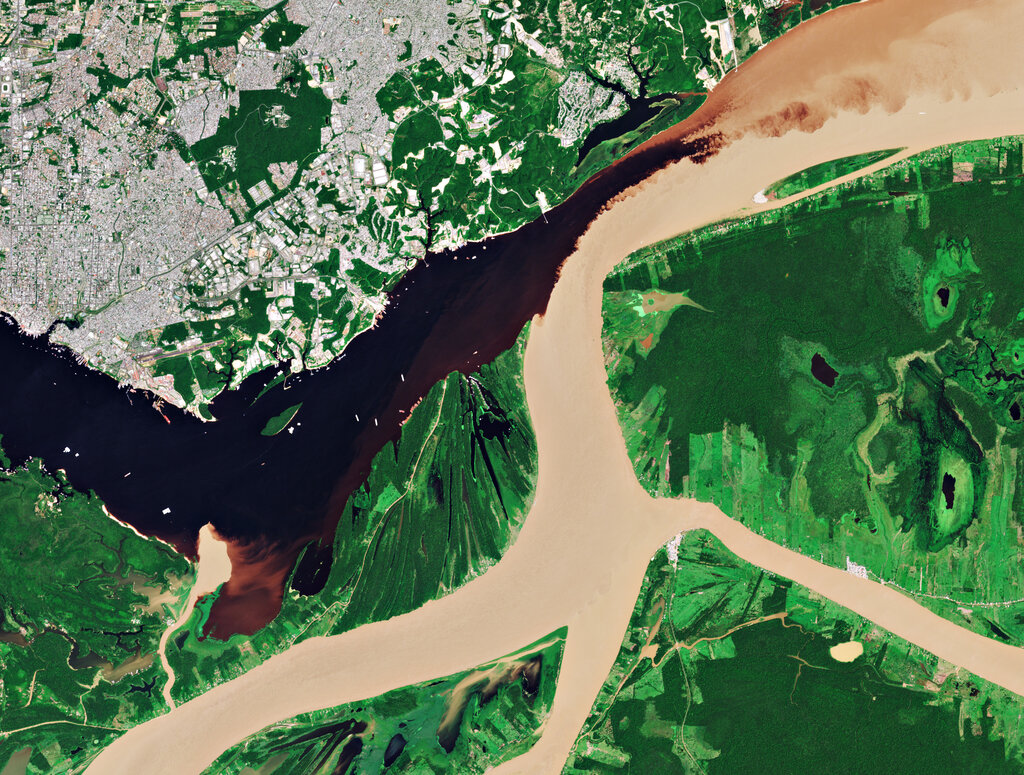
The lifeblood of the rainforest is the Amazon River. By volume, it's the largest river on Earth, carrying more water than the next seven largest rivers combined. It flows for over 4,000 miles from its source in the Andes Mountains of Peru to the Atlantic Ocean.
A network of more than 1,100 tributaries feeds into the main river, creating a vast circulatory system that drains a massive area called the Amazon basin. Some of these tributaries are major rivers themselves, like the Rio Negro and the Madeira River. This constant flow of water shapes the land, carries vital nutrients, and sustains the incredible web of life throughout the forest.
A Realm of Rain and Heat
The Amazon has a hot, humid, and rainy climate, typical of a tropical rainforest. Temperatures are consistently high year-round, usually hovering between 25°C and 30°C (77°F to 86°F). There isn't a true winter or summer, but rather a wet season and a slightly drier season.
What truly defines the climate is the rainfall. The region receives between 1,500 and 3,000 millimeters (60 to 120 inches) of rain annually. This immense amount of moisture creates a constantly damp environment. The forest is so large and releases so much water vapor through its leaves—a process called transpiration—that it actually generates its own weather, creating up to half of its own rainfall.
The Planet's Green Heart
The Amazon plays a critical role in regulating the Earth's climate. Its billions of trees act as a massive carbon sink, absorbing huge amounts of carbon dioxide from the atmosphere and storing it in their wood, leaves, and soil. This process helps to slow down the rate of global climate change.
Often called the 'lungs of the planet,' the Amazon produces a significant amount of the world's oxygen, though scientists emphasize its role in carbon storage is even more critical for global climate stability.
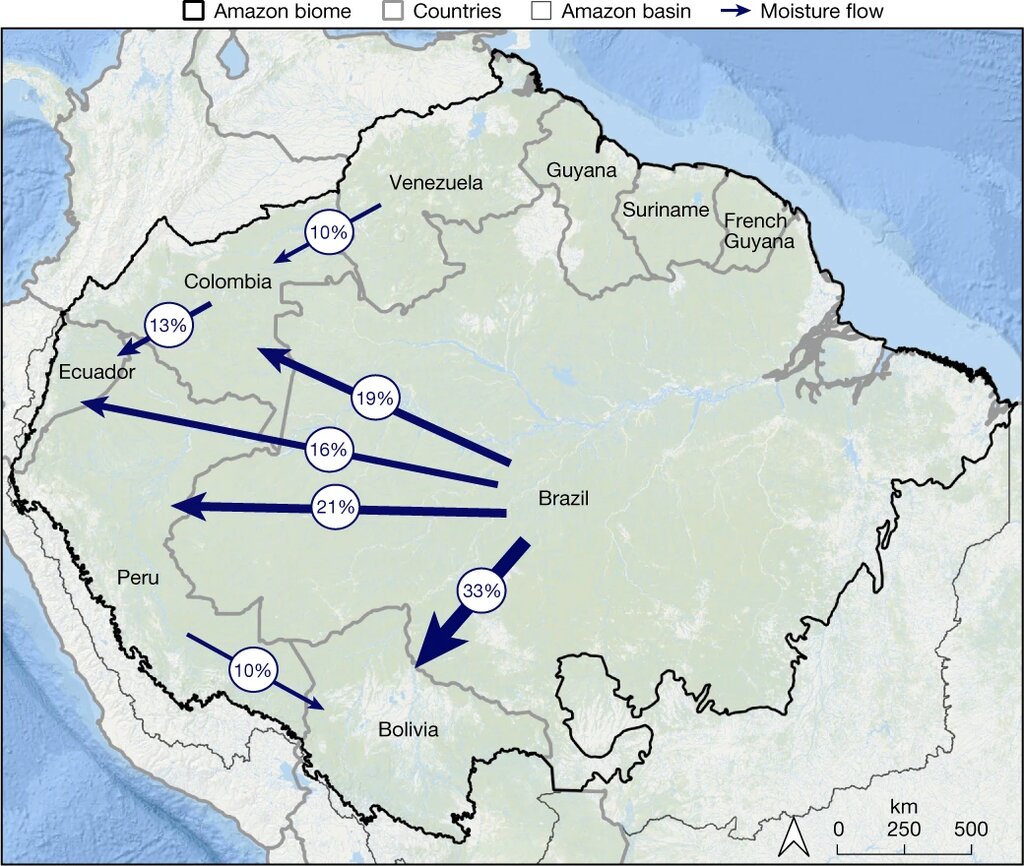
The rainforest also functions as a gigantic water pump. The moisture it releases into the atmosphere forms 'flying rivers'—vast currents of airborne water vapor that travel across the continent, influencing rainfall patterns far beyond the forest itself. This moisture is crucial for agriculture and ecosystems throughout South America.
Time to review what you've learned about this incredible ecosystem.