The Amazing World of Plants
Plant Parts
A Plant's Building Blocks
Just like a body has different parts that work together, a plant has its own set of components, each with a specific job. From the deepest root to the brightest petal, every part plays a role in helping the plant survive, grow, and create new life. Let's break down the basic anatomy of a plant and see how it all fits together.
Starting from the Ground Up
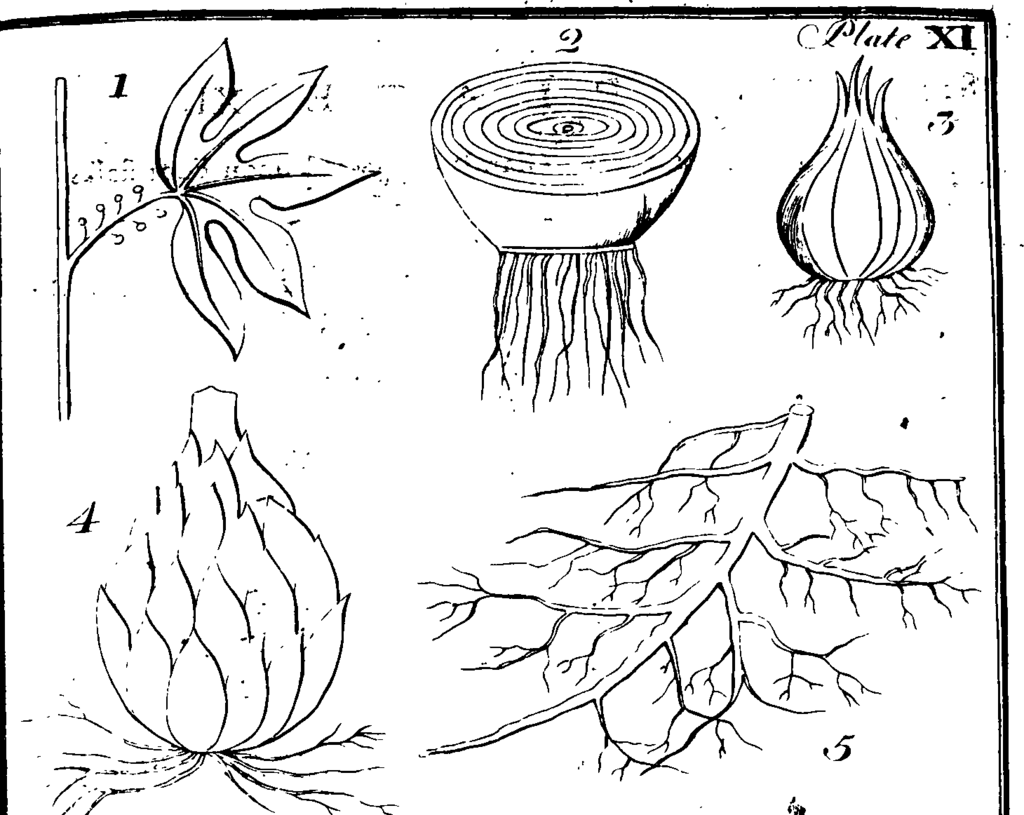
Hidden beneath the soil are the roots. They have two critical jobs. First, they act as an anchor, holding the plant firmly in place so it doesn't blow away in the wind or get washed away by rain. Think of them as the plant's foundation.
Second, roots absorb water and essential nutrients from the soil. Tiny root hairs branch out, increasing the surface area to soak up everything the plant needs. This mixture of water and nutrients is then sent up to the rest of the plant.
The Plant's Superhighway
Connecting the roots to the rest of the plant is the stem. It acts as a support structure, holding the leaves up to the sunlight and positioning the flowers to attract pollinators. But its most important function is transportation.
The stem is like a highway with two-way traffic. One set of internal tubes brings water and nutrients up from the roots to the leaves. Another set carries the sugary food produced in the leaves down to the parts of the plant that need energy, like the roots and flowers.
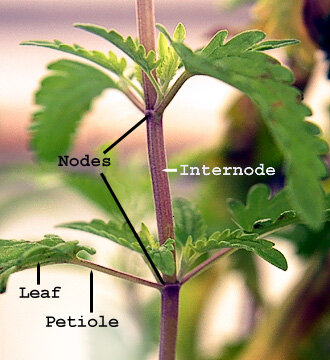
The stem supports the plant and transports vital resources between the roots and leaves.
The Food Factories
Leaves are the plant's power stations. They are designed to capture sunlight and use its energy to convert carbon dioxide and water into food. This process is called photosynthesis. Leaves are typically broad and flat to maximize the amount of sunlight they can absorb.
They also play a role in regulating the plant's water levels through a process called transpiration, which is the release of water vapor from tiny pores on the leaf's surface.
photosynthesis
noun
The process used by plants, algae, and certain bacteria to harness energy from sunlight and turn it into chemical energy.
After a plant has established its roots, stem, and leaves to sustain itself, it can focus on its next big job: reproduction. This is where flowers come in.
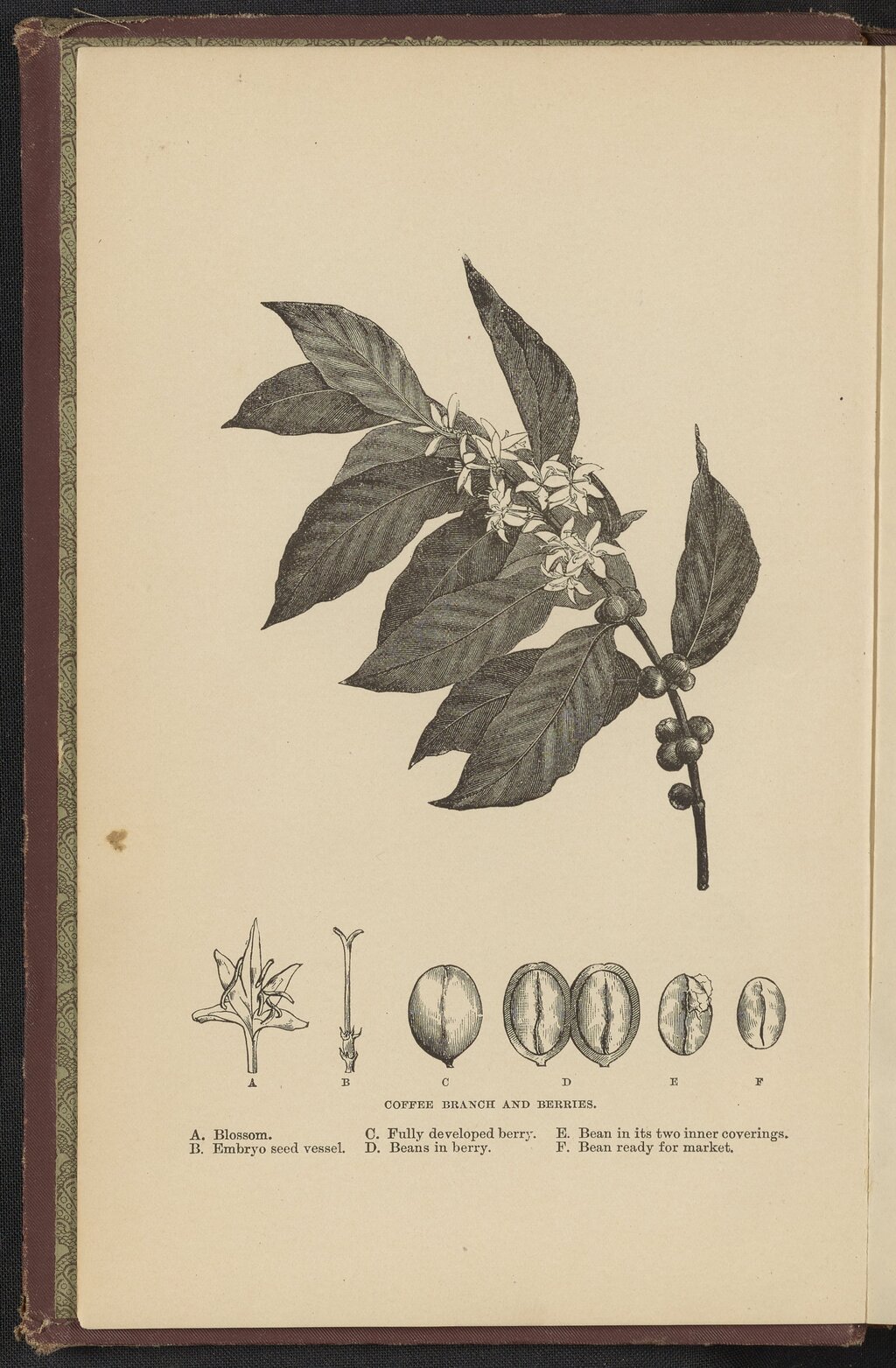
Flowers are the reproductive structures of many plants. They are often colorful and fragrant to attract pollinators like bees, butterflies, and birds. Pollinators help transfer pollen from one part of a flower to another, or from one flower to another, which is a crucial step in producing seeds.
Once pollination occurs, the flower's job is done. The petals wither and fall away as the base of the flower begins to develop into a fruit.
Protecting the Next Generation
The fruit's primary purpose is to protect the developing seeds inside it. Think of an apple or a peach. The fleshy part we eat is a protective layer around the seeds.
Fruits also help disperse seeds. When animals eat the fruit, they often carry the seeds far away before depositing them, giving the new plant a chance to grow in a new location without competing with its parent. Some fruits are designed to be carried by the wind or water.
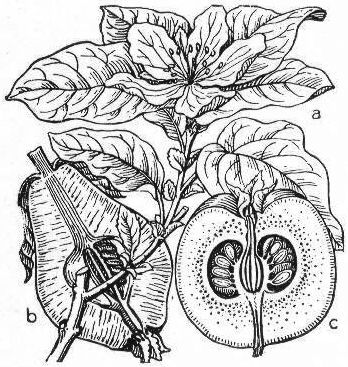
At the very heart of the fruit lies the seed. A seed contains a tiny, undeveloped plant, called an embryo, and a supply of food, all wrapped in a protective outer coat.
When conditions are right—with enough water, oxygen, and the proper temperature—the seed will begin to grow, a process known as germination. It will sprout roots, a stem, and leaves, starting the cycle all over again.
Now, let's test your knowledge of plant parts.
What are the two primary functions of a plant's roots?
The stem acts like a highway, transporting water up from the roots and __________ down from the leaves.