The Amazing World of Cacti
Cactus Basics
Not Just a Prickly Plant
When you think of a cactus, you probably picture a tall, green plant with sharp spines, standing alone in a vast desert. While that's often true, there's much more to these remarkable plants. Cacti are a family of plants known for their ability to thrive in some of the harshest, driest environments on Earth.
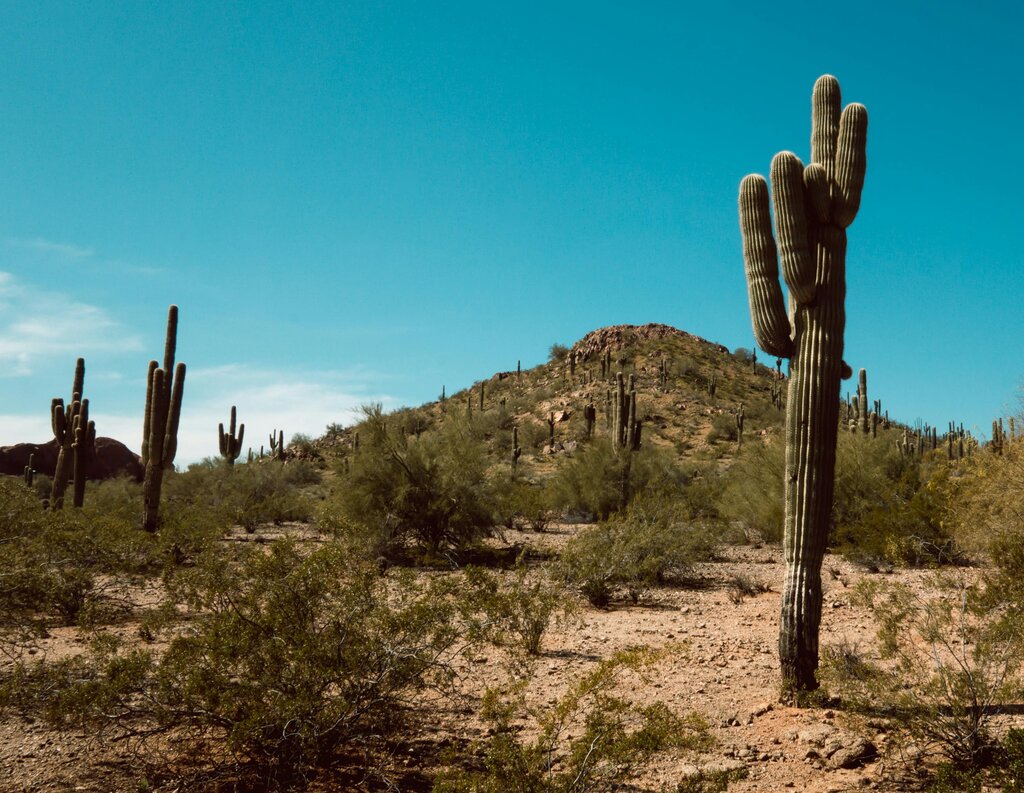
So, what makes a cactus a cactus? Almost all cacti are succulents, which means they have thick, fleshy parts adapted for storing water. This is their secret weapon for surviving long periods of drought. But not all succulents are cacti. The key feature that distinguishes a cactus is the areole.
areole
noun
A small, cushion-like structure on a cactus from which spines, flowers, and new branches grow.
Areoles are unique to cacti and are essentially highly specialized branches. Think of them as little growth hubs scattered across the plant's surface. If you see areoles, you're looking at a cactus. If not, it's likely another type of succulent.
Built for Survival
Cacti are masters of adaptation. Every part of the plant is designed to conserve water and survive extreme conditions. Their most famous feature, spines, are actually modified leaves. Unlike broad, flat leaves that lose a lot of water to the air, spines minimize water loss. They also provide shade and defend the cactus from thirsty animals.
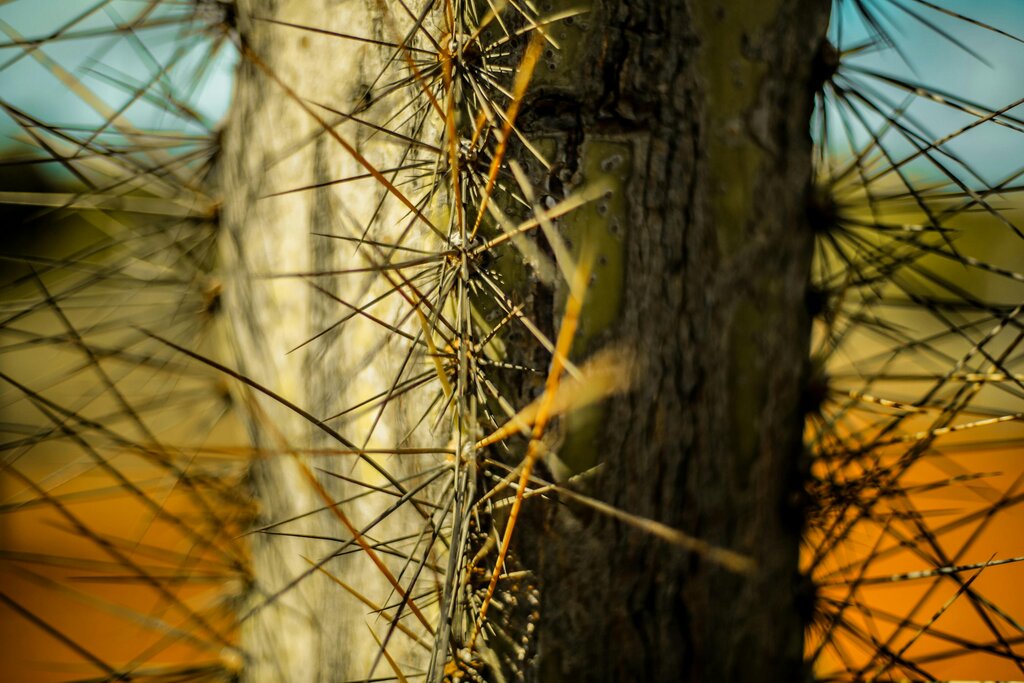
The thick, waxy stem of a cactus takes over the job of photosynthesis, the process plants use to make food from sunlight. This stem is also the plant's personal water tank. During a rare desert downpour, the stem can expand like an accordion to soak up as much water as possible.
Below the surface, cacti have clever root systems. Some have deep taproots that reach far underground to find hidden water sources. Others have shallow, widespread roots that can quickly absorb rainwater from a large area before it evaporates in the hot sun.
A cactus's entire structure—spines for leaves, a fleshy stem for water storage, and a specialized root system—is a masterclass in adapting to a dry environment.
Desert Dwellers and Beyond
While we associate cacti with hot, sandy deserts, their habitats are surprisingly diverse. They are native exclusively to the Americas, ranging from Canada all the way down to Patagonia. You can find them in scorching lowlands, high-altitude mountain ranges, and even in some tropical rainforests, where they grow on trees instead of in the ground.
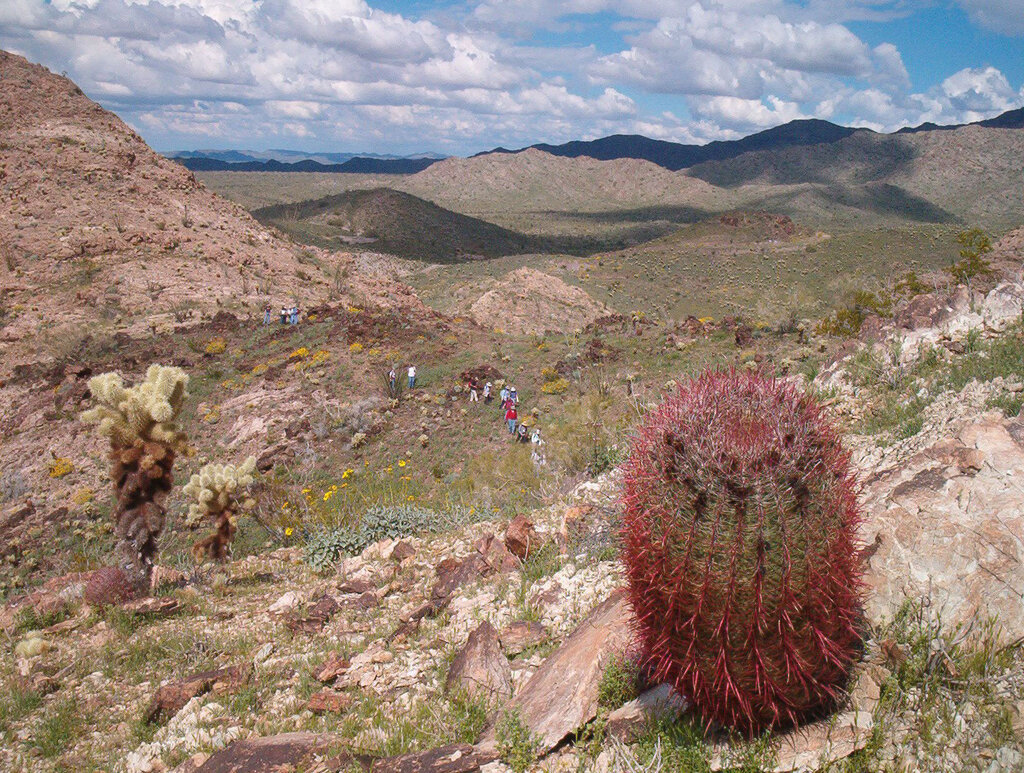
In these ecosystems, cacti play a vital role. They provide food and water for many animals, like desert tortoises, birds, and coyotes. Their flowers offer nectar to pollinators such as bees, moths, and bats. When a large cactus like the saguaro dies, its decaying skeleton provides shelter and nutrients for other organisms, enriching the desert soil. They are a cornerstone of their environment, supporting a web of life in places where it's hard to get by.
Time to check your understanding of these resilient plants.
What is the single defining feature that distinguishes a cactus from other succulent plants?
The spines on a cactus are actually modified versions of what plant part?
From their unique areoles to their life-sustaining stems, cacti are far more than just desert decorations. They are a testament to nature's ability to adapt and thrive.