The Amazing Letter E
Origins of the Letter E
A Shout of Joy
The letter E began its long journey not as a letter, but as a picture. In ancient Egypt, scribes used a hieroglyph that looked like a person standing with both arms raised. This symbol represented the concept of 'joy' or 'rejoicing'.
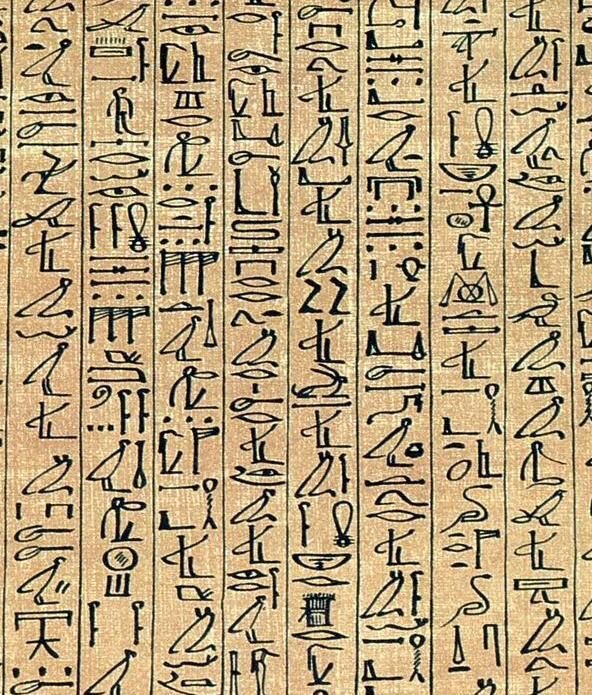
The sound associated with this pictograph was a soft 'h', similar to the 'h' in 'hello'. It was a simple breath of air. The visual was complex, but its sound was subtle.
From Picture to Symbol
The Phoenicians, a civilization of sea traders, adopted many ideas from their neighbors, including their writing system. But they needed something faster and more efficient for keeping records. They simplified the Egyptian hieroglyph, stripping it down to its essential lines. The praying figure became a vertical stroke with three horizontal arms, all facing left. They called this letter 'hē'.
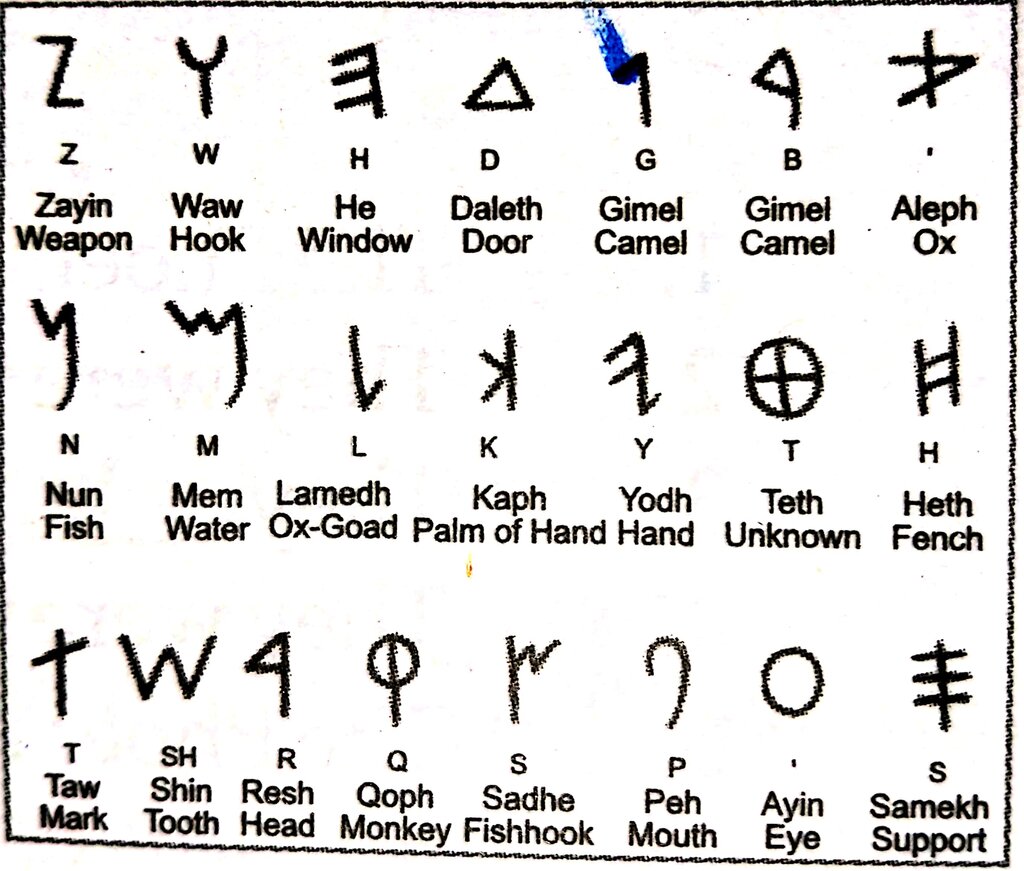
For the Phoenicians, 'hē' still represented the 'h' sound. It had lost its pictorial meaning of joy, becoming a purely phonetic symbol. This abstraction was a major step in the evolution of the alphabet.
The Greek Vowel
When the Greeks adopted the Phoenician alphabet, they made a crucial change. Their language didn't use the same 'h' sound that 'hē' represented. However, they needed symbols for their vowel sounds, which the Phoenician alphabet lacked. Seeing an opportunity, they repurposed 'hē' to represent the short vowel sound 'e', as in 'get'.
The Greeks gave the letter a new name: Epsilon (ἒ ψιλόν), which means 'simple e'.
They also flipped the character to face right, as their writing direction was from left to right. This change gave us the familiar shape of the capital E we use today.
Arrival in Rome
The journey of E reached its final major stage with the Romans. They adopted the Greek alphabet, by way of the Etruscans, and made very few changes to Epsilon. They kept its shape, its name (simply 'E'), and its sound.
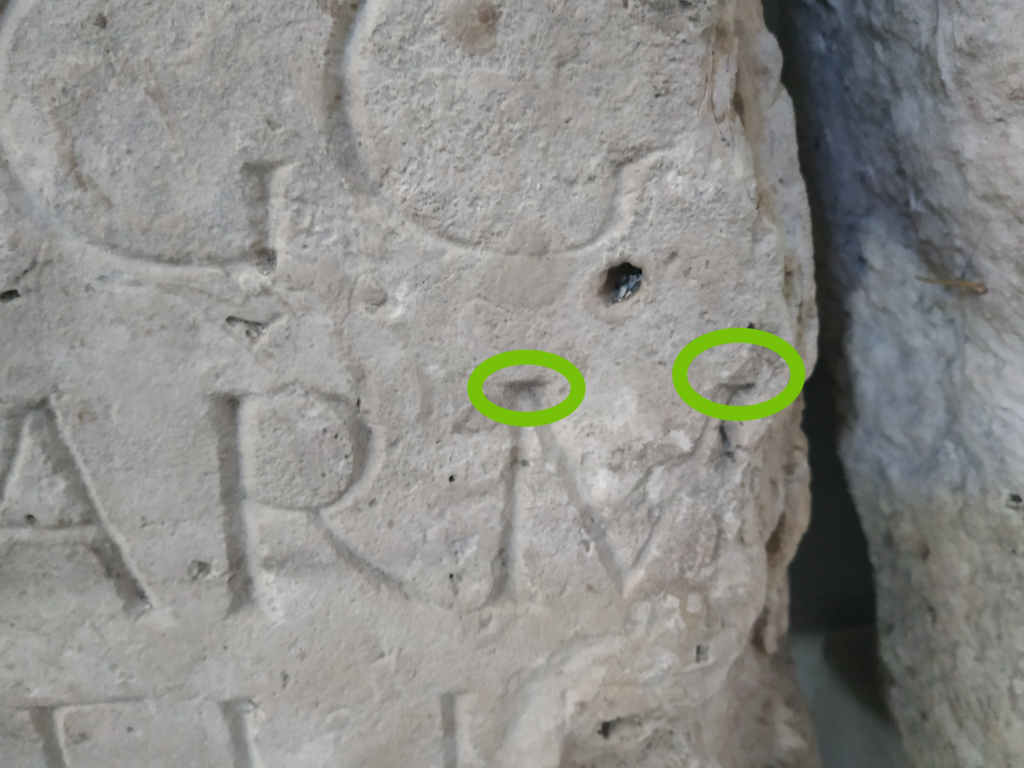
From a picture of a rejoicing person to a consonant in a trading language, and finally to a vowel, the letter E transformed to meet the needs of new cultures. Its shape is a direct echo of that long history.